The geopolitical landscape of the Middle East remains a focal point of international stability, particularly regarding the recurring tensions between the United States and Iran. In a complex web of diplomacy and military posturing, the question of whether a direct confrontation is imminent often hinges on high-stakes communication between Washington and its regional partners. As we navigate these sensitive developments, it is essential to distinguish between tactical military posturing and the broader, more nuanced efforts to maintain regional security.
The core of the matter often involves the delicate balance of the US-Iran diplomatic standoff, a situation that has persisted for years, marked by fluctuating levels of intensity. Understanding this requires looking past the immediate headlines to the underlying strategic interests of Gulf Cooperation Council (GCC) states, the United States, and the Islamic Republic of Iran. When reports surface regarding the potential for military engagement versus the pursuit of negotiation, the global community looks to official statements and verified policy shifts to gauge the true direction of these volatile relations.
The Strategic Role of Gulf Diplomacy
The stability of the Persian Gulf is intrinsically linked to the global energy market and regional security architecture. When tensions spike, Gulf nations—including Saudi Arabia, the United Arab Emirates, and Qatar—often find themselves in a precarious position. Their influence, while significant, is often exerted behind the scenes, emphasizing the need for de-escalation to prevent a wider conflict that could destabilize the entire region. According to reports from the Reuters Middle East desk, these nations have consistently advocated for diplomatic channels to remain open, viewing them as the only viable path to long-term security.
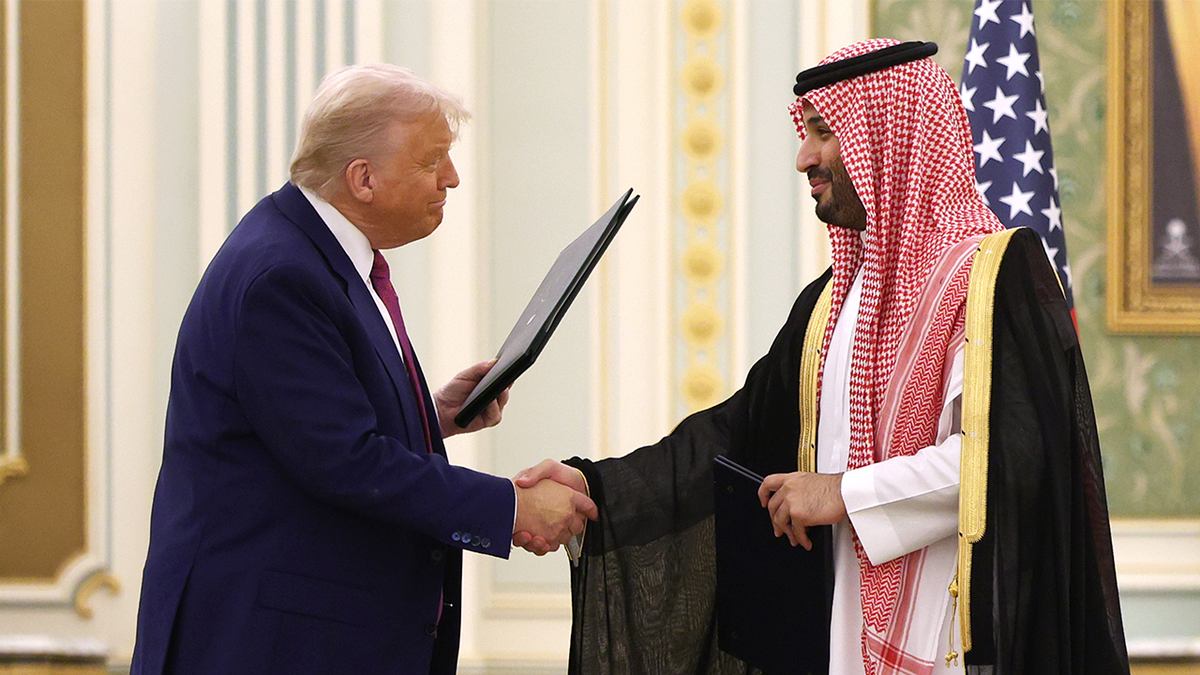

The strategy of these regional players is multifaceted. By providing a “space for negotiation,” they seek to mitigate the risks associated with unilateral military actions. This approach is not merely about avoiding conflict; it is about protecting critical infrastructure and maintaining the flow of global commerce, which is heavily dependent on the maritime security of the Strait of Hormuz. The U.S. Department of State has frequently acknowledged the importance of these regional partnerships in addressing Iran’s destabilizing activities, noting that any policy shift must be coordinated with allies who are most directly exposed to the fallout of a potential escalation.
Market Reactions and the Cost of Uncertainty
Geopolitical volatility inevitably ripples through global financial markets, with oil prices and technology stocks often serving as the most sensitive barometers. Investors closely monitor the rhetoric coming out of the White House and Tehran, as even the threat of disruption in oil supply can lead to significant market fluctuations. When reports of potential military strikes emerge, the immediate reaction is typically a surge in energy prices, followed by a defensive shift in equity markets.
However, the narrative of “impending war” can be misleading. Financial analysts often distinguish between short-term market noise and long-term geopolitical risks. As noted by the Financial Times, the global economy is increasingly resilient to these shocks, though the uncertainty remains a persistent drag on investor confidence. The interplay between military posturing and market stability serves as a reminder that in the modern era, a diplomatic resolution is not just a matter of international law, but a fundamental requirement for global economic health.
The Complexities of the Nuclear Stalemate
At the heart of the U.S.-Iran friction lies the unresolved status of the Iranian nuclear program. The negotiations, often characterized as a stalemate, revolve around the Joint Comprehensive Plan of Action (JCPOA) and the subsequent conditions set by various administrations. The contention over uranium enrichment levels, the scope of sanctions relief, and the breadth of regional security guarantees creates a rigid framework that is challenging to break.

The International Atomic Energy Agency (IAEA) continues to provide independent verification of Iran’s nuclear activities, serving as the primary source of factual data in an environment often cluttered with conflicting claims. Their reports, which detail the levels of enrichment and the presence of monitoring equipment, are the benchmarks against which all diplomatic progress is measured. Any discussion of “conditions” for negotiation—whether proposed by Washington or Tehran—must be viewed through the lens of these technical realities provided by international monitors.
Looking Ahead: The Path Toward Stability
As an editor who has spent over 14 years analyzing these dynamics, I have learned that the most reliable information comes from the slow, steady process of official diplomacy. We are currently in a period where public rhetoric remains high, but the preference for strategic patience among regional stakeholders is evident. The next major checkpoint will likely be the upcoming sessions of the UN General Assembly or specific multilateral security forums where foreign ministers gather to discuss regional de-escalation.
For our readers, staying informed means relying on verified institutional statements rather than speculative reporting. I encourage you to follow the official releases from the White House Briefing Room and the Ministry of Foreign Affairs of the Islamic Republic of Iran to track official policy changes. The situation remains fluid, and the commitment to accurate, balanced reporting is more vital than ever.
What are your thoughts on the role of regional diplomacy in preventing conflict? Share your insights in the comments section below, and join the conversation on our social media channels as we continue to monitor this evolving story.
Related reading