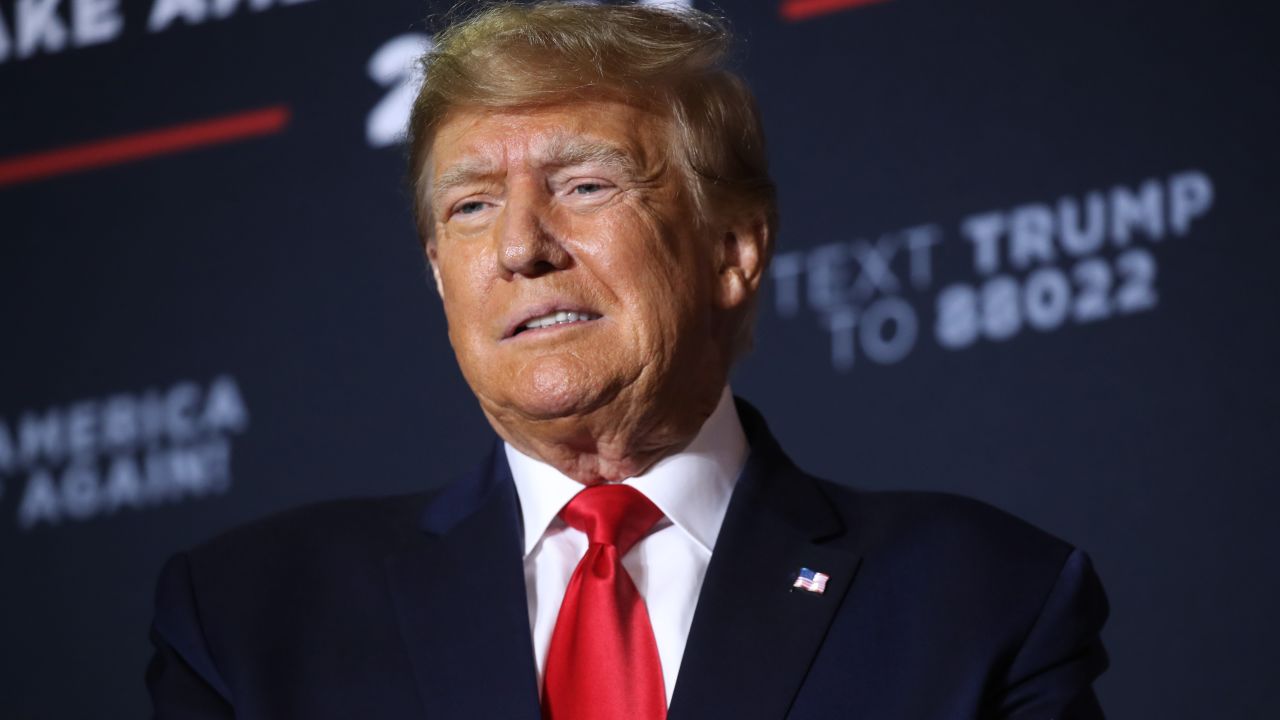
Ukrainian President Volodymyr Zelenskyy has increasingly utilized high-level diplomatic outreach and the presentation of a “victory plan” to shape international support, a strategy that contrasts with the transactional negotiation styles often associated with former U.S. President Donald Trump. As the geopolitical landscape shifts ahead of the 2024 U.S. presidential election, Zelenskyy’s recent efforts to secure long-term military and financial commitments from Western allies—most notably through his direct engagement with both the Biden administration and congressional leaders—represent a distinct effort to institutionalize support for Kyiv regardless of future shifts in the White House, according to reporting from the Associated Press.
The core of this strategy involves shifting the narrative from immediate battlefield requirements to a comprehensive framework designed to ensure Ukraine’s long-term sovereignty. During his visit to the United States in September 2024, President Zelenskyy presented his “victory plan” to President Joe Biden and met separately with Donald Trump in New York. While Trump has frequently characterized his potential approach to the conflict as one focused on “making a deal” to end the war quickly, Zelenskyy’s diplomatic maneuverings suggest an attempt to lock in strategic partnerships that would outlast any individual administration, as noted by the New York Times.
The “Victory Plan” and Diplomatic Leverage
Zelenskyy’s “victory plan” serves as a roadmap intended to provide Ukraine with the necessary geopolitical and military leverage to force Russia into genuine negotiations. According to official briefings from the Office of the President of Ukraine, the plan encompasses security guarantees, economic assistance, and continued military aid. By framing the conflict as a broader struggle for democratic stability, Zelenskyy seeks to build a coalition that is less dependent on the political whims of any single nation’s leadership. This approach is widely viewed by analysts as a “pre-emptive” measure against potential changes in U.S. foreign policy.

The geopolitical stakes are high. While Donald Trump has repeatedly claimed he could end the conflict within 24 hours, he has not provided a concrete public framework for how such a peace would be achieved without significant territorial concessions from Ukraine. In contrast, the current Ukrainian administration remains firm that any sustainable resolution must be grounded in the restoration of its internationally recognized borders, a position supported by the White House in recent joint statements regarding long-term reconstruction and security.
Shifting Geopolitical Alliances
The interaction between Zelenskyy and Trump in late September highlighted the tension between the “America First” platform and the internationalist coalition currently supporting Kyiv. Trump’s rhetoric often emphasizes avoiding foreign entanglements, which creates uncertainty for the future of U.S. military aid—aid that has totaled over $175 billion in security assistance since the 2022 invasion, according to the U.S. Department of State.
Zelenskyy’s “unexpected card”—his proactive outreach to both parties—is designed to highlight that support for Ukraine is not merely a bilateral issue between two leaders, but a matter of international security architecture. By engaging with Republican lawmakers and the former president directly, Zelenskyy is attempting to mitigate the risk of a sudden withdrawal of support. This strategy recognizes that the sustainability of the war effort is tied to the internal political stability of the United States, a factor that remains a central variable in the ongoing conflict.
The Path Forward
The next major checkpoint in this diplomatic effort will be the upcoming international summits and the subsequent U.S. election cycle. Observers are closely watching how the “victory plan” is received by other NATO members during upcoming meetings of the Ukraine Defense Contact Group. These sessions remain the primary venue for coordinating the flow of advanced weaponry and training, as detailed in recent updates from the U.S. Department of Defense.
As the situation develops, the effectiveness of Zelenskyy’s strategy will be measured by the continued flow of aid and the maintenance of a unified Western stance. Whether this “victory plan” can bridge the divide between the current administration’s support and a potential change in leadership remains the defining question of the coming months. We will continue to track these high-level negotiations and provide updates as official statements are released by the involved government offices.
Have thoughts on the geopolitical implications of these diplomatic shifts? Share your perspective in the comments section below.