Washington D.C. – In a significant blow to the second Trump administration, the U.S. Supreme Court on Friday ruled that President Donald Trump exceeded his authority when he unilaterally imposed sweeping tariffs on goods from across the globe. The 6-3 decision, a rare rebuke from a court that has often sided with the president, centers on the question of presidential power and congressional oversight in matters of trade policy. The ruling casts uncertainty over the more than $130 billion in tariffs already collected and has prompted a defiant response from the president, who vowed to pursue “even stronger methods” to protect American economic interests.
The case hinged on the interpretation of the International Emergency Economic Powers Act (IEEPA) of 1977, a law designed to grant the president certain powers to regulate international trade during national emergencies. The core dispute was whether Trump’s use of IEEPA to impose broad tariffs, including so-called “reciprocal” duties on nearly all countries, required explicit congressional authorization. The Supreme Court, in a majority opinion penned by Chief Justice John Roberts, determined that it did. The court found that the president’s assertion of power to impose tariffs of “unlimited amount, duration, and scope” required a clear signal from Congress.
Supreme Court Limits Presidential Tariff Authority
The ruling represents arguably the most substantial legal defeat for President Trump’s administration at the hands of the conservative-leaning Supreme Court. Last year, the court repeatedly backed the president in rulings concerning immigration, agency leadership appointments, and government spending cuts. This latest decision underscores the limits of executive power, even within the context of national security and economic policy. The court’s decision did not, however, dictate what should happen to the substantial revenue already collected through the tariffs. This leaves open the question of potential refunds or alternative uses for the funds.
According to the court’s opinion, the president’s interpretation of IEEPA would grant him a “transformative expansion of the President’s authority over tariff policy.” Chief Justice Roberts wrote that no president in the law’s half-century history had invoked it to impose tariffs of the magnitude and scope implemented by the Trump administration. The ruling effectively requires the administration to seek congressional approval for any future broad-based tariff measures. This represents a significant shift in the balance of power between the executive and legislative branches regarding trade policy.
Trump’s Defiant Response and Threat of Recent Tariffs
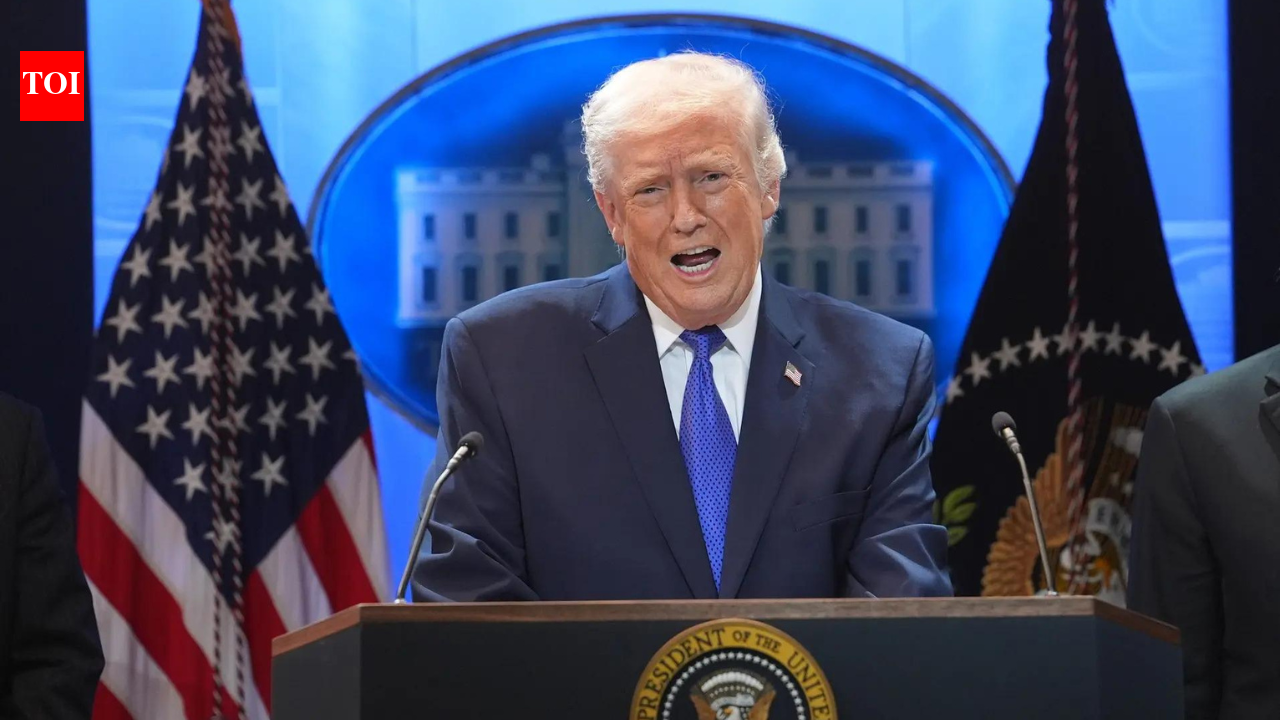
President Trump reacted to the Supreme Court’s decision with visible frustration, publicly expressing his disappointment and questioning the judgment of some of the justices. He stated he was “absolutely ashamed” of the justices who issued the ruling, claiming they lacked the “courage to do what is right for our country.” In a White House address following the announcement, Trump also threatened to impose a 10% global tariff under Section 122 of the Trade Expansion Act of 1962, in addition to existing tariffs, and announced the initiation of investigations under Section 301 of the Trade Act of 1974 to address perceived unfair trading practices. CNN reported on these statements shortly after they were made.
The threat of a new 10% global tariff raises concerns about potential retaliatory measures from other countries and the possibility of a broader trade war. Section 301 investigations allow the U.S. Trade Representative to investigate unfair trade practices and impose tariffs or other trade restrictions in response. The use of these tools has been a hallmark of the Trump administration’s trade policy, particularly in relation to China. The administration has consistently argued that these measures are necessary to protect American jobs and industries.
The Legal Basis for the Tariffs and the Court’s Scrutiny
The tariffs at the center of the case were initially imposed in 2025, targeting a wide range of goods from countries around the world. The administration justified these tariffs as a means of addressing trade imbalances and protecting American industries. However, legal challenges quickly followed, arguing that the president lacked the constitutional authority to impose such broad tariffs without congressional approval. The case ultimately reached the Supreme Court, where the justices were asked to determine the scope of presidential power under IEEPA and other relevant trade laws.
The court’s decision focused on the breadth of the tariffs and the lack of a clear connection to a specific national emergency. While IEEPA allows the president to take action in response to a declared national emergency, the court found that the tariffs imposed by Trump were not sufficiently linked to any such emergency. The justices also emphasized the importance of congressional oversight in matters of trade policy, arguing that the power to regulate commerce is a shared responsibility between the executive and legislative branches.
Impact on Global Trade and the U.S. Economy
The Supreme Court’s ruling is expected to have significant implications for global trade and the U.S. Economy. The tariffs imposed by the Trump administration have already disrupted supply chains, increased costs for consumers, and led to retaliatory measures from other countries. The uncertainty surrounding the future of these tariffs could further exacerbate these challenges. Businesses that have adjusted to the tariff environment may now need to reassess their strategies, while consumers could see changes in prices and product availability.
Economists have offered differing assessments of the impact of the tariffs. Some argue that they have helped to protect American jobs and industries, while others contend that they have harmed the U.S. Economy by increasing costs and reducing trade. A study by the Peterson Institute for International Economics, for example, found that the tariffs imposed by the Trump administration have cost the U.S. Economy hundreds of thousands of jobs. The long-term effects of the tariffs remain to be seen, but the Supreme Court’s ruling is likely to reshape the debate over trade policy in the years to come.
The decision also comes as the administration recently announced plans for a $12 billion critical minerals stockpile, aimed at reducing reliance on Chinese rare earths, as reported by CNN. This initiative, dubbed “Project Vault,” highlights the administration’s continued focus on securing supply chains and protecting American economic interests, even in the face of legal challenges.
Previous Supreme Court Rulings in Favor of Trump Administration
Prior to this ruling, the Supreme Court had frequently sided with the Trump administration in a series of high-profile cases. In June 2025, the court issued a ruling that significantly curtailed the ability of federal judges to issue nationwide injunctions against presidential actions, a victory for the administration that was hailed by President Trump as a “monumental victory for the Constitution.” The White House released a statement at the time celebrating the decision as a restoration of the proper separation of powers.
The court also upheld the administration’s efforts to restrict immigration and cut government spending. These rulings demonstrated a willingness by the conservative majority on the court to defer to the president’s policy preferences. However, the tariff case represents a departure from this pattern, signaling that the court is not willing to rubber-stamp all of the administration’s actions.
Key Takeaways:
- The Supreme Court ruled 6-3 against President Trump’s unilateral imposition of sweeping tariffs.
- The ruling centers on the interpretation of the International Emergency Economic Powers Act (IEEPA) and the need for congressional authorization for broad tariff measures.
- President Trump has vowed to pursue “even stronger methods” to protect American economic interests, including the potential imposition of a 10% global tariff.
- The decision is expected to have significant implications for global trade and the U.S. Economy.
- This ruling marks a rare rebuke of the Trump administration by a Supreme Court that has often sided with the president.
The legal battle over tariffs is likely to continue, with the administration exploring alternative legal avenues to achieve its trade policy goals. The next steps will involve determining the fate of the $130 billion in tariffs already collected and assessing the potential impact of any new trade measures. The situation remains fluid, and further developments are expected in the coming weeks and months. The administration is expected to announce its next course of action regarding tariffs within the next month.
What are your thoughts on the Supreme Court’s decision? Share your comments below and join the conversation.