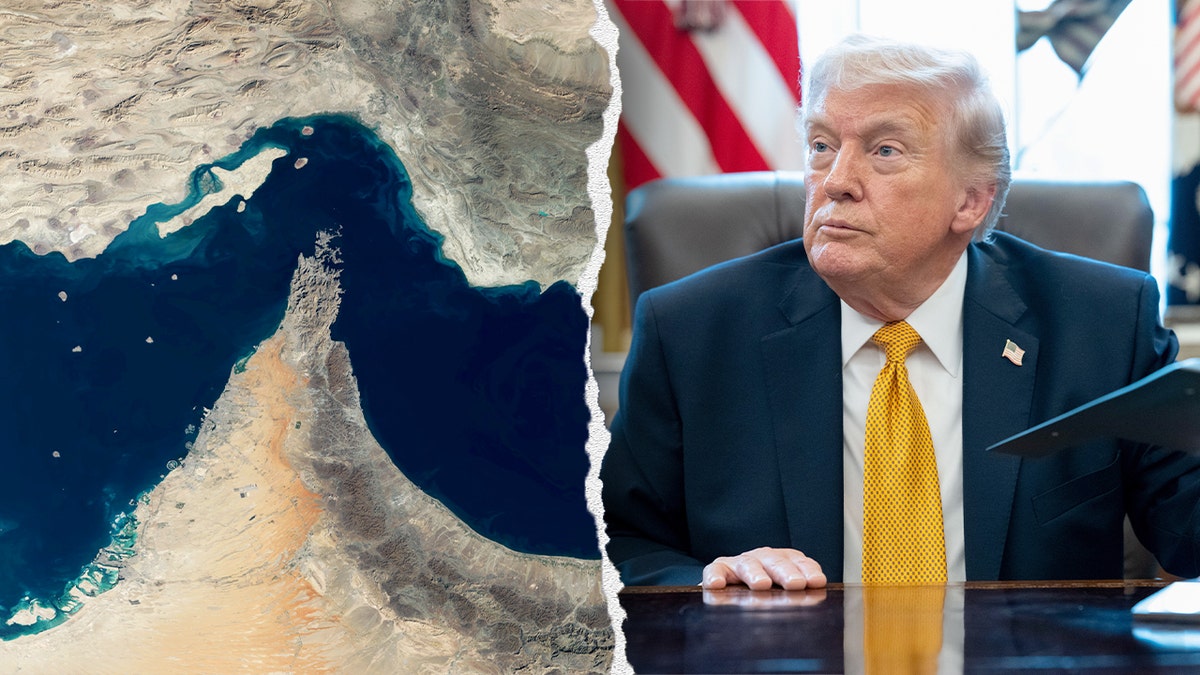
Donald Trump has proposed implementing a 20% tariff on maritime freight passing through the Strait of Hormuz, as part of a broader strategy to exert economic and geopolitical leverage in the Middle East. The proposal, aimed at taxing cargo shipments transiting the waterway, follows a period of heightening tensions between the United States and Iran that has seen increased military activity in the region, including reports of maritime drone strikes against an Iranian port.
The Strait of Hormuz remains a vital artery for global energy markets. Any move to impose unilateral fees on commercial vessels would represent a significant shift in U.S. maritime policy.
Maritime Security and Regional Escalation
The proposal comes amid a series of reported kinetic actions in the Persian Gulf. Recent developments have included the use of unmanned maritime systems, which have been deployed in operations targeting infrastructure near Iranian waters. These activities have contributed to increased volatility in global energy markets, with oil prices reacting to the uncertainty surrounding the security of the shipping lanes.
The introduction of a “toll” or tariff on such transit would be a departure from the long-standing international commitment to freedom of navigation in global straits.
Economic Implications for Global Trade
A 20% levy on freight would fundamentally alter the cost structure for energy and goods importers.

Current Status of Regional Tensions
The geopolitical situation remains fluid, with multiple international actors monitoring the rhetoric coming from Washington and Tehran.
As of mid-July, there has been no formal legislative action or executive order codifying a maritime tax on the Strait of Hormuz. The proposal remains part of the ongoing political discourse surrounding U.S. foreign policy toward Iran.
We invite our readers to share their perspectives on the potential impact of these policies on global energy security in the comments section below.
Keep reading