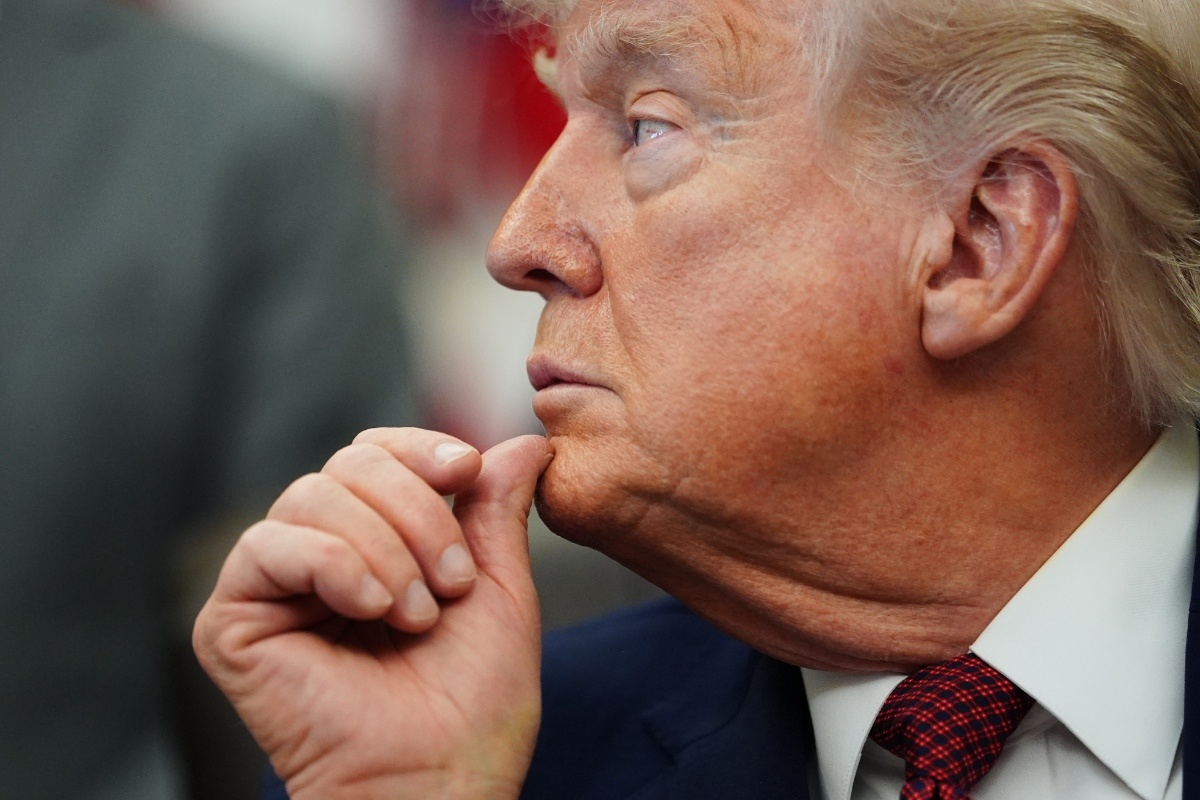
Global financial markets are bracing for renewed volatility as escalating tensions between the United States and Iran threaten to disrupt critical energy supplies, with the FTSE 100 poised to open lower amid growing concerns over potential supply chain disruptions in the Strait of Hormuz. The situation has intensified following fresh threats from former U.S. President Donald Trump to target Iran’s energy infrastructure unless diplomatic demands are met, raising alarms among investors about the broader implications for global oil prices and energy security.
The Strait of Hormuz, a vital maritime chokepoint through which approximately 20% of the world’s oil supply passes, has once again become a flashpoint after reports of Iranian naval activity restricting commercial vessel movements. Although the exact nature and scale of any disruptions remain subject to verification, maritime security analysts have noted increased military posturing in the region, prompting cautious reactions from energy traders and shipping insurers alike. The development comes amid ongoing diplomatic efforts to de-escalate tensions, though progress appears stalled as both sides maintain firm positions.
In response to the deteriorating situation, UK Chancellor Rachel Reeves has convened emergency discussions with senior executives from Britain’s major banking institutions to assess potential economic fallout, particularly regarding exposure to energy market volatility and trade disruptions. The meetings underscore growing concern among policymakers that prolonged instability in the Gulf could transmit through financial channels, affecting everything from corporate borrowing costs to consumer energy bills. Analysts warn that even the perception of risk can trigger speculative movements in commodity markets, with ripple effects felt across global equity indices.
The FTSE 100, which includes several major energy and multinational corporations with significant exposure to Middle Eastern markets, is particularly sensitive to shifts in geopolitical risk. Companies such as BP, Shell, and HSBC — all constituents of the index — have operations or trading interests that could be impacted by prolonged instability in the region. While no official statements have yet been issued by these firms regarding direct operational impacts, market analysts are closely monitoring guidance updates and risk disclosures for signs of evolving exposure.
Trump’s Renewed Threats and Diplomatic Stalemate
The latest escalation follows public comments by Donald Trump, who reiterated his willingness to leverage military force against Iran’s energy infrastructure if diplomatic negotiations fail to produce a satisfactory outcome. Speaking in a recent interview, Trump reportedly stated that the U.S. Would “knock out” Iran’s power plants and critical infrastructure unless Tehran agrees to renewed negotiations over its nuclear program and regional influence. The remarks, while not constituting an official policy announcement from the current U.S. Administration, have been interpreted by some analysts as reflective of lingering hardline sentiments within certain political circles.
Efforts to revive diplomatic dialogue have so far yielded limited results. According to reports from international diplomatic sources, a proposed second round of talks facilitated by U.S. Vice President JD Vance was declined by Iranian officials, who cited a lack of trust in the negotiation process following previous engagements. The last known high-level discussion between U.S. And Iranian representatives reportedly took place in early 2024 in Oman, where discussions centered on de-escalation measures but failed to yield a binding agreement. Since then, indirect communication channels have remained active, though substantive progress has been elusive.
Iranian officials have consistently maintained that any restrictions on maritime traffic in the Strait of Hormuz are a direct response to what they describe as ongoing U.S.-led economic pressure, including sanctions targeting Iran’s oil exports and financial transactions. Tehran has argued that its actions are defensive in nature and intended to compel the lifting of what it terms an unlawful blockade. These claims are contested by Western governments, which assert that freedom of navigation in international waters must be upheld and that Iran’s actions constitute a violation of maritime law.
Market Implications and Investor Sentiment
Financial markets have reacted swiftly to the heightened geopolitical risk, with energy stocks showing mixed performance as investors weigh the potential for supply disruptions against the likelihood of continued diplomatic engagement. Crude oil prices have experienced intraday volatility, reflecting uncertainty over whether current tensions will escalate into a broader confrontation or remain contained within a cycle of rhetorical escalation and limited tactical maneuvers. Analysts at major financial institutions note that while a full-scale conflict remains unlikely based on current assessments, the risk premium embedded in energy prices has noticeably increased.
Beyond energy equities, broader market indices are also feeling the pressure, particularly those with significant exposure to global trade and currency fluctuations. The FTSE 100’s sensitivity to shifts in risk appetite means that even indirect effects — such as changes in investor confidence or shifts in safe-haven demand — can influence its trajectory. In recent sessions, the index has shown signs of hesitation at key resistance levels, with traders citing geopolitical uncertainty as a contributing factor to cautious positioning.
Investors are also watching closely for any signs of spillover effects into related markets, including shipping insurance premiums, which have already begun to rise in response to heightened perceived risk in the Gulf region. Lloyd’s of London and other major underwriters have reportedly adjusted war risk coefficients for vessels transiting the Strait of Hormuz, a development that could increase operational costs for shipping companies and, by extension, affect global trade economics. Such indirect impacts, while not always immediately visible in headline indices, can accumulate over time and influence corporate profitability.
UK Policy Response and Financial Preparedness
Chancellor Rachel Reeves’ decision to engage directly with banking sector leaders reflects a proactive approach to identifying and mitigating potential vulnerabilities within the UK’s financial system. The discussions, held under the auspices of the Treasury’s financial stability framework, focused on stress-testing scenarios related to energy price shocks, exchange rate volatility, and potential increases in default risk among corporates with exposure to the Middle East. While no specific policy interventions were announced following the meetings, officials emphasized the importance of maintaining robust liquidity buffers and contingency planning.
The Bank of England has also been monitoring the situation closely, particularly in relation to its mandate to ensure financial stability. Although no changes to monetary policy have been signaled in response to the current geopolitical climate, internal assessments suggest that the institution remains vigilant to any signs of market dysfunction or excessive volatility that could require intervention. In its most recent Financial Stability Report, the Bank highlighted ongoing risks from geopolitical fragmentation and noted that sudden shifts in commodity prices could test the resilience of both financial and non-financial sectors.
For businesses and households, the primary concern remains the potential for indirect effects through energy prices and inflation. While the UK has diversified its energy sources in recent years and reduced reliance on Middle Eastern oil, global oil markets remain interconnected, meaning that any significant disruption could still influence benchmark prices and, domestic fuel and electricity costs. Energy analysts suggest that the extent of any impact would depend heavily on the duration and scale of any disruption, as well as the availability of alternative supply routes and sources.
Historical Context and Regional Dynamics
The current tensions are not isolated but rather part of a longer-standing pattern of friction between the United States and Iran, rooted in decades of diplomatic estrangement, sanctions regimes, and competing regional ambitions. The Strait of Hormuz has repeatedly served as a lever in this dynamic, with both sides occasionally using the threat of disruption to gain negotiating advantage. Historical precedents include the 1980s “Tanker War” during the Iran-Iraq conflict and periodic incidents in the 2000s and 2010s involving alleged Iranian interference with commercial shipping.
More recently, the region has seen fluctuating levels of tension following the U.S. Withdrawal from the Joint Comprehensive Plan of Action (JCPOA) in 2018 and subsequent efforts to revive the agreement through indirect negotiations. While those talks have produced intermittent progress, they have repeatedly foundered on issues related to verification, sanctions relief, and regional behavior. The current impasse reflects, in part, the continued absence of a comprehensive framework that addresses both nuclear concerns and broader security considerations.
Regional actors, including Saudi Arabia, the United Arab Emirates, and Israel, have also played indirect roles in shaping the environment, often aligning with U.S. Positions on Iran while pursuing their own strategic objectives. The presence of multiple external military forces in the Gulf further complicates the security landscape, increasing the risk of miscalculation or unintended escalation. Diplomatic intermediaries, including Oman and Qatar, have periodically facilitated backchannel communication, though sustained breakthroughs have remained elusive.
What Investors Should Watch Next
Looking ahead, market participants are advised to monitor several key indicators for signs of escalation or de-escalation. These include official statements from the U.S. State Department and Department of Defense, any updates from the International Atomic Energy Agency (IAEA) regarding Iran’s nuclear activities, and reports from maritime security organizations such as the United Kingdom Maritime Trade Operations (UKMTO) and the Maritime Security Centre – Horn of Africa (MSCHOA). Changes in military posture, such as increased naval deployments or aerial patrols, could also serve as early warning signs.
investors should pay attention to corporate disclosures from major energy and shipping firms, particularly any updates to risk assessments or guidance revisions that reflect changing operational realities. While companies are often cautious about commenting on geopolitical risks, material changes in exposure or contingency planning may emerge in quarterly reports or investor presentations. Regulatory filings with bodies such as the U.S. Securities and Exchange Commission (SEC) or the UK’s Financial Conduct Authority (FCA) can also provide valuable insights into how institutions are assessing and managing potential impacts.
On the diplomatic front, any movement toward renewed negotiations — whether direct or indirect — would likely be viewed positively by markets, potentially reducing the risk premium embedded in energy prices and related assets. Conversely, a breakdown in communication or the introduction of novel preconditions could heighten uncertainty and prompt further defensive positioning. As of now, no formal talks are publicly scheduled, though backchannel discussions may continue through established intermediaries.
Conclusion
The intersection of geopolitical tension and financial markets remains a critical area of focus for investors, policymakers, and business leaders alike. While the current situation involving the United States, Iran, and the Strait of Hormuz has not yet resulted in a major supply disruption or open conflict, the potential for escalation cannot be dismissed. The FTSE 100’s sensitivity to such developments underscores the importance of maintaining a vigilant, informed approach to risk assessment.
For now, the emphasis remains on monitoring verified developments, avoiding speculation, and relying on authoritative sources for accurate information. As events unfold, continued attention to diplomatic signals, military movements, and market reactions will be essential in understanding the evolving implications for global finance and energy stability.
Stay informed with ongoing coverage of global market developments. Share your thoughts in the comments below and help foster a constructive dialogue on the forces shaping today’s economic landscape.
- Current Events Illustrated: Satirical Drawings of Latest News and Trends
- 9-Month Revenue Hits €119M: Financial Update & Canet-en-Roussillon Fire Recovery
- Blanche Leads Justice Department Amid Scrutiny Over Targeting of Trump’s Political Foes (newsdirectory3.com)
- Trump Threatens to Bomb Iranian Power Plants and Bridges to Force Talks (archyworldys.com)