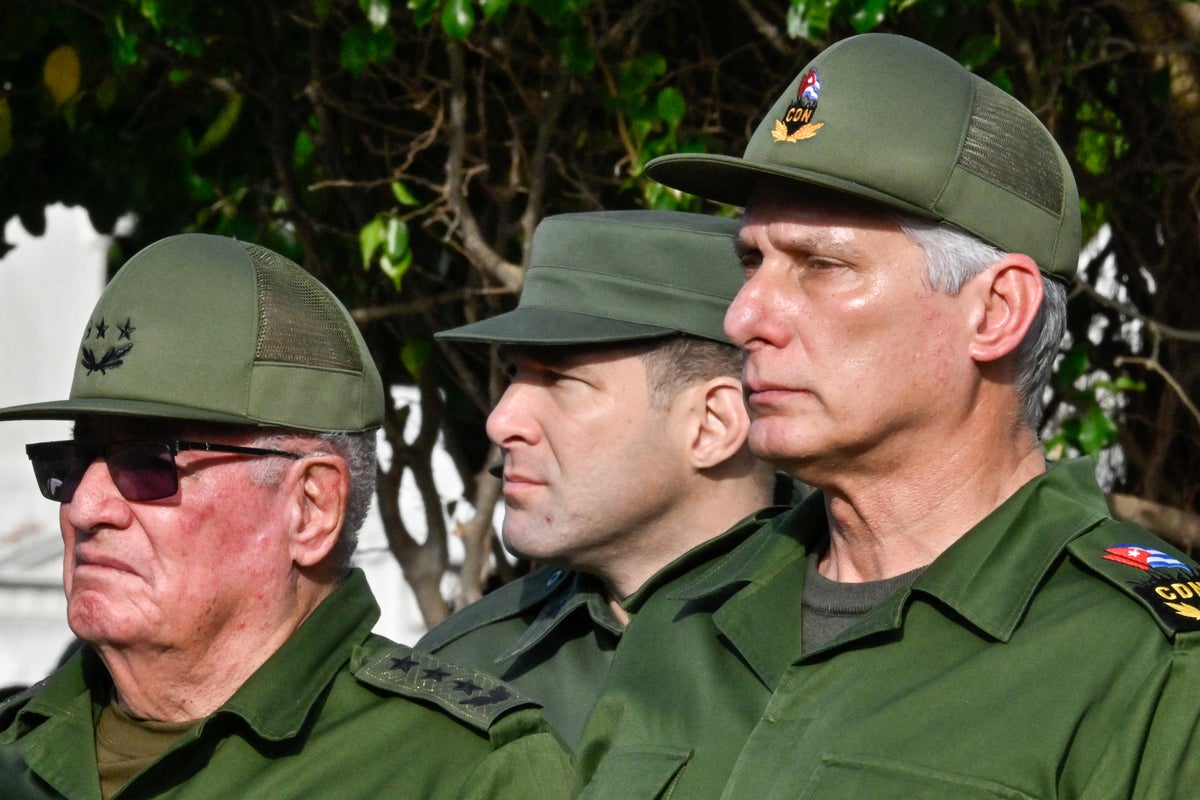
The landscape of U.S.-Cuba relations remains a focal point of international economic policy, defined by a complex web of financial restrictions and diplomatic pressure. During his term, the Trump administration implemented a rigorous series of sanctions targeting the Cuban leadership, an approach that significantly altered the bilateral trade environment and restricted the flow of capital between the two nations.
These measures, which were part of a broader “maximum pressure” strategy, were designed to curb the influence of the Cuban government while simultaneously signaling a shift in U.S. Foreign policy. Understanding the scope of these sanctions requires looking closely at the executive actions taken during that period, as they fundamentally reshaped the U.S. Department of the Treasury’s Office of Foreign Assets Control (OFAC) regulatory framework regarding the island nation.
The Mechanics of Economic Pressure
The sanctions imposed by the Trump administration were not monolithic; rather, they were a tiered series of actions targeting specific sectors of the Cuban economy, including tourism, military-run enterprises, and high-level officials. By designating key entities and individuals under the Cuba Restricted List, the administration effectively prohibited U.S. Citizens and companies from engaging in direct financial transactions with designated organizations.
These policies were framed by the administration as a necessary response to the Cuban government’s domestic policies and its support for regional allies. However, the economic impact was profound, affecting everything from remittance channels—the flow of funds from the diaspora to family members on the island—to the ability of international banks to facilitate trade with Havana. The tightening of these restrictions, particularly the activation of Title III of the Helms-Burton Act in 2019, allowed for lawsuits against companies “trafficking” in property confiscated by the Cuban government after the 1959 revolution, marking a significant departure from previous policy stances (U.S. Department of State, 2019).
Impact on Global Markets and Diplomacy
For global investors and multinational corporations, the volatility introduced by these sanctions necessitated a cautious approach to the Caribbean market. Many European and Canadian firms, which maintained trade ties with Cuba, found themselves caught in the crosshairs of extraterritorial U.S. Jurisdiction. This created a chilling effect on foreign direct investment (FDI) in Cuba, as the threat of U.S. Litigation or loss of access to the U.S. Financial system outweighed the potential gains of operating in the Cuban market.
The administrative focus was clear: to leverage economic pain as a tool for political change. While the administration’s rhetoric periodically included warnings regarding the potential for military escalation, the primary instrument of influence remained the Executive Order 13803, which directed the government to prioritize the enforcement of existing embargoes and the identification of state-controlled entities that directly benefited the Cuban security apparatus.
Key Takeaways: The Legacy of the 2017-2021 Policy Shift
- Systemic Restrictions: The administration utilized the OFAC framework to place strict limits on travel and financial transfers, effectively reversing the “Cuban Thaw” that had begun in 2014.
- Helms-Burton Activation: The full implementation of Title III permitted U.S. Nationals to file lawsuits against entities utilizing confiscated properties, complicating international business relations.
- Sector-Specific Targeting: Military-linked holding companies, such as GAESA, were placed under intense scrutiny, with the goal of isolating the primary revenue generators for the state.
- Diplomatic Stance: The policy was characterized by a move away from bilateral engagement toward a strategy of economic isolation, often accompanied by public statements regarding the use of “all options” in foreign policy.
What Happens Next: Navigating Ongoing Regulations
As of the current administration, the regulatory environment regarding Cuba remains largely defined by the structures established during the previous term, though specific enforcement priorities have shifted. The U.S. Department of State continues to maintain the Cuba Restricted List, and businesses operating in the region are advised to conduct rigorous due diligence to ensure compliance with the ongoing embargo.

For those tracking these developments, official updates are regularly published through the Treasury Department’s recent actions portal. The complexity of these sanctions serves as a reminder that political shifts in Washington have immediate and lasting consequences for global trade. Whether these measures will be further adjusted remains subject to ongoing diplomatic review and the evolving priorities of U.S. Foreign policy.
The history of U.S.-Cuba economic relations is a stark example of how financial policy is used as a tool of statecraft. For business leaders and analysts, keeping a close watch on the Federal Register and Treasury advisories remains the only reliable way to navigate this volatile landscape. We welcome your thoughts on how these policies continue to affect global trade—please share your insights in the comments section below.
Keep reading