
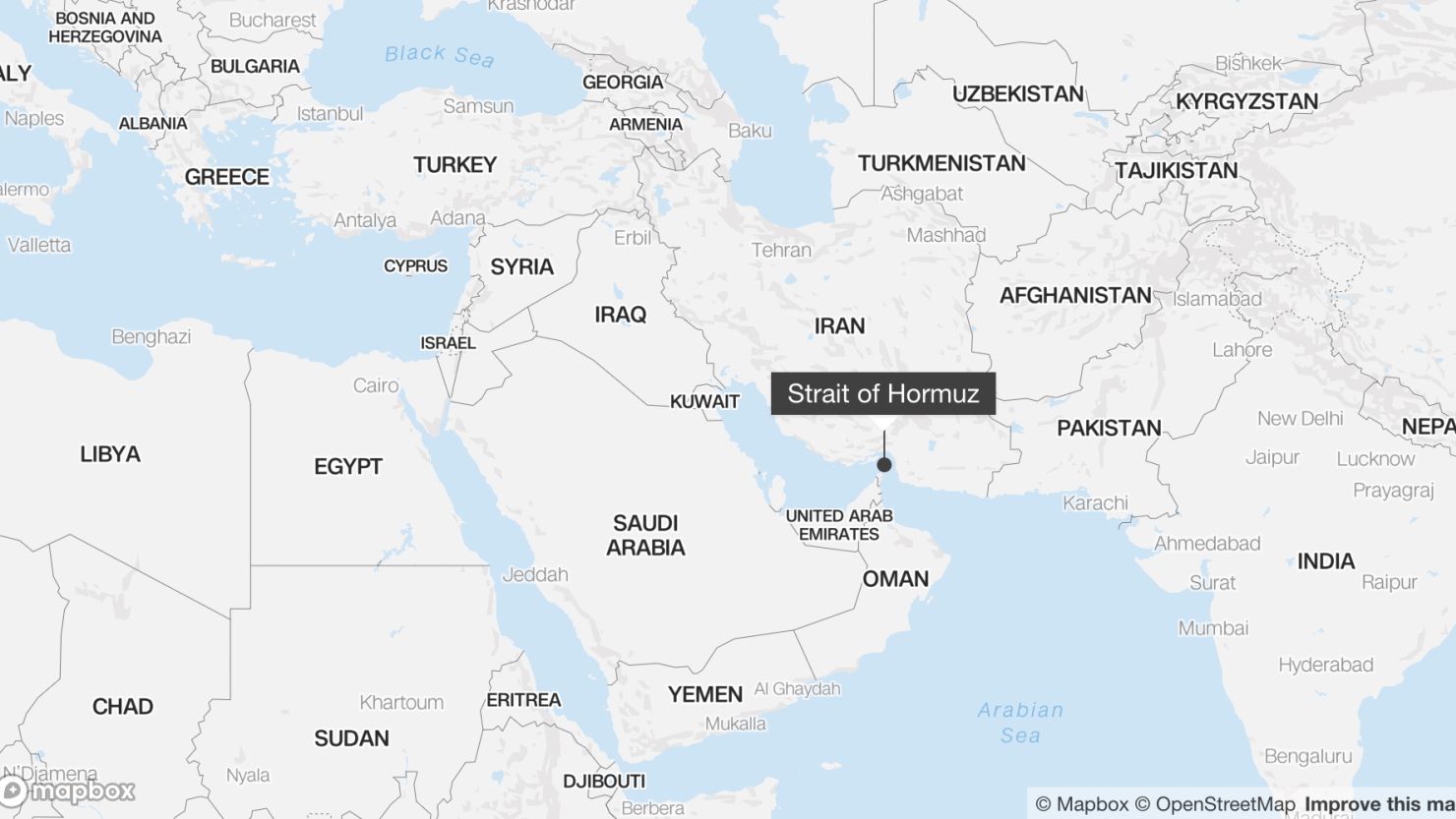
President Donald Trump announced on Sunday, April 12, 2026, that the United States Navy will begin imposing a US naval blockade of the Strait of Hormuz, moving to intercept all vessels entering or exiting the critical waterway. The decision follows the sudden collapse of peace negotiations between the United States and Tehran, escalating a volatile maritime situation in the Persian Gulf.
Writing on his Truth Social platform, President Trump stated that the U.S. Navy—which he described as “the best in the world”—would initiate the blockade with immediate effect. The operation specifically targets ships that have paid transit fees to Iran, a move the administration characterizes as a necessary step to end what the president termed “global blackmail” via Sky News Arabia.
The blockade marks a significant escalation in the ongoing conflict, coinciding with reports of heavy casualties resulting from combined U.S. And Israeli military operations within Iranian territory. As the U.S. Moves to control the flow of maritime traffic, the global community is closely monitoring the potential for further disruption to international energy supplies and shipping lanes.
Strategic Control: The Scope of the Naval Operation
The U.S. Naval blockade of the Strait of Hormuz is designed to exert maximum pressure on the Iranian government by cutting off illegal revenue streams and neutralizing maritime threats. According to the president’s directives, the U.S. Navy has been ordered to search for and intercept any vessel in international waters found to have paid illegal transit fees to Iran. Trump emphasized that no party paying these “illegal fees” would be guaranteed safe passage on the high seas via Sky News Arabia.

Beyond the interception of ships, the U.S. Military is tasked with the active removal of naval mines. President Trump stated that the U.S. Would begin destroying mines planted by Iran in the strait, responding to Iranian claims that the waterway contained mines known only to Tehran. The president warned that any Iranian forces that open fire on U.S. Personnel or peaceful vessels “will be destroyed completely” via Sky News Arabia.
While the operation is led by the United States, the administration indicated that other nations would participate in the blockade. The strategic objective, according to the White House, is to prevent Iran from utilizing “illegal blackmail” to secure funds and advance its pursuit of nuclear weapons via Sky News Arabia.
The Human Cost of the US-Israeli Campaign
The implementation of the blockade occurs against a backdrop of severe violence. Official data from Iran indicates a mounting death toll from recent combined U.S. And Israeli strikes. Abbas Masjedi, the head of the Iranian Forensic Medicine Organization under the judiciary, reported that 3,375 people have been killed since the start of the U.S.-Israeli war with Iran via BBC.
According to the forensic analysis provided by the Iranian authority, the casualties include 2,875 men and 496 women via BBC. Yet, independent verification of these figures remains difficult due to strict media restrictions and limited access to the strike sites.
Economic and Geopolitical Implications
The decision to block the Strait of Hormuz—one of the world’s most vital oil transit chokepoints—carries immense risks for global inflation and energy stability. The administration’s move is a direct response to the failure of peace talks, shifting the U.S. Strategy from diplomatic negotiation to an aggressive maritime containment policy via CNN.
By controlling the entry and exit of all vessels, the U.S. Intends to force Iran into a position where it can no longer leverage the strait for financial or political gain. The administration has suggested that the blockade will remain in place until a state is reached where all ships can enter and exit freely without Iranian interference or extortion via Sky News Arabia.
Key Summary of the Blockade Directives
| Action Item | Objective | Target/Scope |
|---|---|---|
| Vessel Interception | End illegal fee collection | Ships paying transit fees to Iran |
| Mine Clearance | Ensure safe navigation | Iranian-laid naval mines in the strait |
| Traffic Control | Prevent “global blackmail” | All ships entering or exiting the strait |
| Military Response | Deterrence and protection | Any Iranian forces firing on U.S. Or peaceful ships |
The international community now awaits a formal response from Tehran and the reactions of key regional allies who may be called upon to support the U.S.-led naval operation. The immediate focus remains on the operationalization of the blockade and the subsequent impact on global shipping costs.
The next critical checkpoint will be the deployment of the first wave of interceptor vessels and the official confirmation of participating allied nations. We will continue to provide updates as the situation in the Persian Gulf evolves.
Do you believe a naval blockade is an effective tool for diplomatic leverage, or does it risk an uncontrollable escalation? Share your thoughts in the comments below.