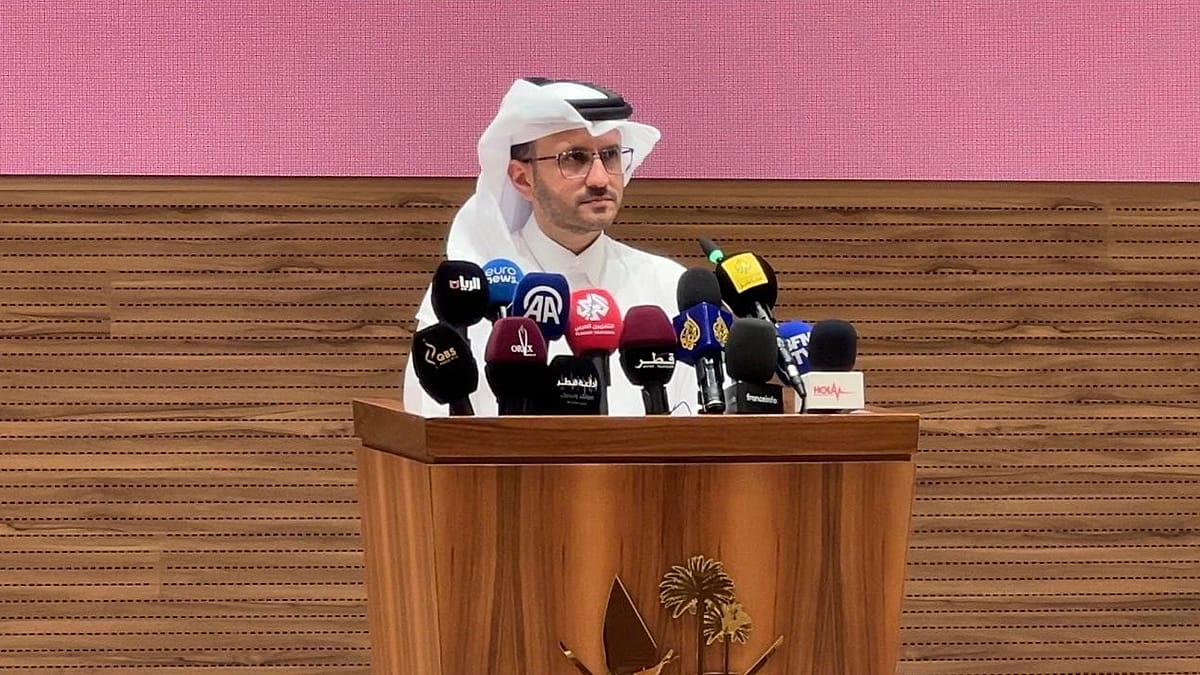
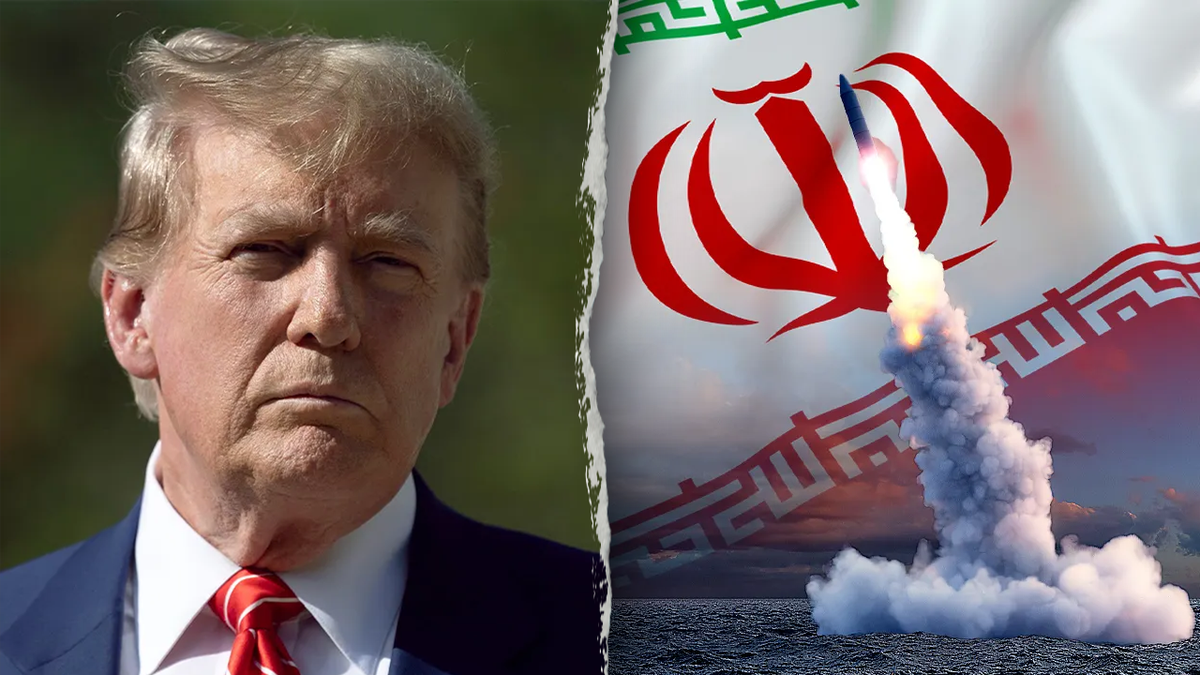
Sofia, Bulgaria — May 20, 2026 — In a dramatic shift that underscores the evolving balance of power in the Middle East, Gulf Arab states have successfully convinced U.S. President Donald Trump to temporarily halt plans for a potential military strike against Iran. The diplomatic intervention—unprecedented in its directness—marks a rare instance where Gulf Cooperation Council (GCC) members collectively leveraged their strategic influence to alter a major U.S. Foreign policy decision. While Trump has not ruled out future action, the pause reflects both the Gulf states’ growing assertiveness and the complex web of interests binding Washington to its regional allies.
This development comes against the backdrop of heightened tensions between the U.S. And Iran, which have escalated following a series of retaliatory strikes and cyberattacks. Trump’s initial warning of a “full, large-scale assault” if Iran did not meet U.S. Nuclear demands sent shockwaves through global markets and regional capitals. Yet within 24 hours, the White House announced a delay, citing “serious negotiations” underway—a concession that analysts describe as a direct result of Gulf mediation.
The Gulf states’ ability to shape U.S. Policy in this manner highlights their pivotal role as both energy suppliers and strategic partners in a region where American interests remain deeply intertwined with economic and security concerns. For the GCC—comprising Saudi Arabia, the United Arab Emirates, Qatar, Kuwait, Oman, and Bahrain—the stakes could not be higher. A prolonged conflict with Iran would disrupt fragile regional stability, threaten energy markets, and risk drawing the U.S. Deeper into a quagmire that could destabilize the entire Persian Gulf.
Why This Matters: The Gulf States’ Growing Leverage
The Gulf states’ intervention is not merely a diplomatic victory but a symptom of broader geopolitical realignments. Here’s what this shift reveals about the current state of play:
- Economic Interdependence: The Gulf’s oil wealth and role as a linchpin in global energy supply give it unparalleled leverage over U.S. Decision-making, particularly in an era of volatile energy markets.
- Security Dilemmas: While Gulf states share U.S. Concerns about Iran’s nuclear program and regional influence, they also fear the unintended consequences of direct confrontation, including Houthi attacks in the Red Sea and broader destabilization.
- Diplomatic Unity: Rarely have GCC members presented a unified front on such a high-stakes issue, signaling a potential consolidation of their collective voice in global affairs.
- U.S. Policy Constraints: Trump’s administration, despite its hawkish rhetoric, remains constrained by domestic political pressures and the need to maintain alliances in a region critical to U.S. Strategic interests.
A Timeline of the Crisis and Gulf Intervention
U.S. Intelligence reports confirm Iranian cyberattacks on critical infrastructure in the Gulf, prompting Trump to threaten “decisive military action” if Iran does not halt its nuclear program expansion.
Trump warns of an “imminent full, large-scale assault” on Iranian nuclear facilities, citing “unacceptable proliferation risks.” Markets react sharply, with oil prices surging 8% in a single day.
Gulf states, led by Saudi Arabia and the UAE, launch emergency diplomatic efforts, including direct calls to Trump and Secretary of State Antony Blinken. The GCC issues a joint statement urging “de-escalation and dialogue.”
White House announces a 72-hour pause in military planning, citing “constructive negotiations” with Gulf partners. Iran responds with cautious optimism, calling for “serious talks without preconditions.”
Trump reiterates that “all options remain on the table” but emphasizes a preference for “diplomatic resolution.” Analysts speculate the Gulf’s intervention has bought time for behind-the-scenes negotiations.
The Gulf’s Diplomatic Playbook: How They Shaped U.S. Policy
The Gulf states’ ability to influence U.S. Actions stems from a combination of economic, security, and diplomatic tools. Unlike in past decades, when Gulf states often deferred to Washington, today’s intervention reflects a more assertive approach rooted in several key factors:
1. Energy Leverage
With global oil prices already volatile due to geopolitical tensions, the Gulf’s control over supply chains gives it significant economic leverage. A disruption in Gulf oil production—whether intentional or as a collateral damage of conflict—would send shockwaves through global markets, directly impacting U.S. Consumers and industries. Trump’s administration, despite its rhetoric, remains acutely aware of this vulnerability.
According to the U.S. Energy Information Administration (EIA), Middle Eastern crude oil production accounts for nearly 30% of global supply. Any instability in the region would inevitably lead to price spikes, further complicating Trump’s economic agenda ahead of the 2028 election.
2. Security Interdependence
While Gulf states share U.S. Concerns about Iran’s regional influence, they also recognize that a prolonged conflict could exacerbate existing threats. For instance, the Houthis in Yemen—backed by Iran—have increasingly targeted commercial shipping in the Red Sea, disrupting global trade routes. Gulf states fear that a U.S.-Iran confrontation could escalate these attacks, further destabilizing their economies.
A recent report by Tony Morrison’s Geopolitical Risk Index highlighted that 68% of Gulf business leaders surveyed cited “regional conflict spillover” as their top concern for 2026. This economic anxiety translates into political pressure on their governments to avoid actions that could provoke further instability.
3. Diplomatic Unity and Backchannel Negotiations
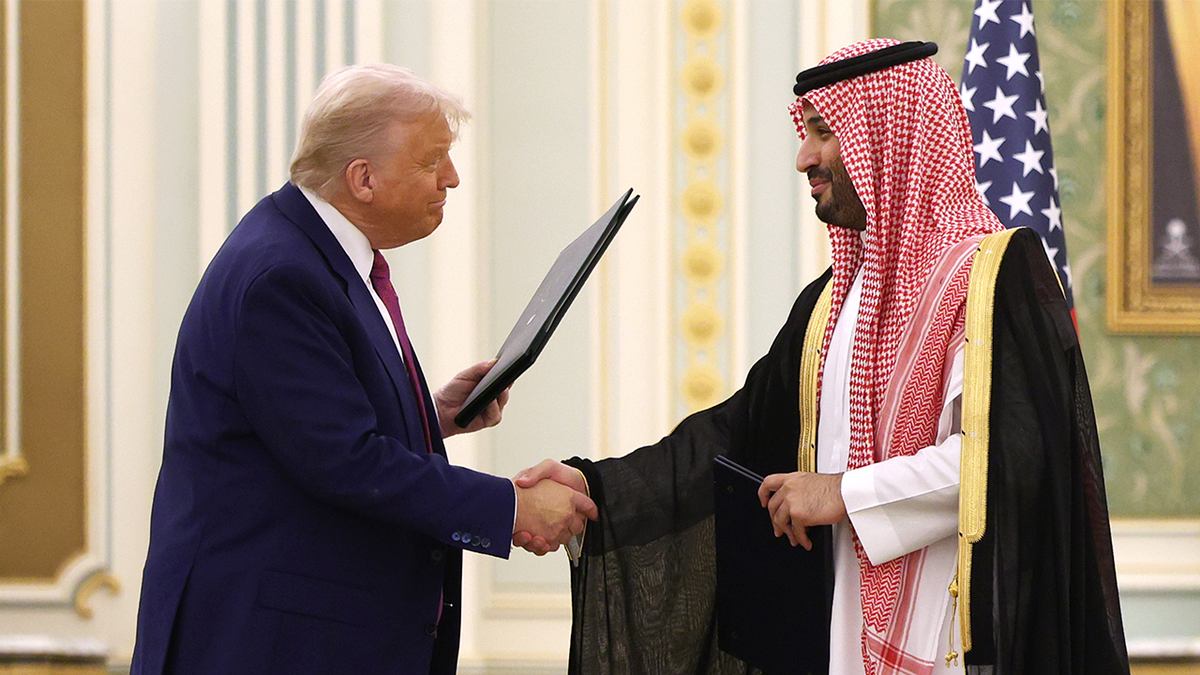
Unlike in previous crises, the Gulf states presented a unified front, with Saudi Arabia and the UAE taking the lead in direct communications with the White House. This rare display of GCC solidarity suggests that the member states have aligned their interests on this issue, at least temporarily.
Sources close to the negotiations reported to the Financial Times that backchannel discussions involved not only political leaders but also senior military and intelligence officials from both the Gulf and the U.S. These conversations focused on the potential “unintended consequences” of a military strike, including the risk of Iranian retaliation against Gulf allies and the potential for a broader regional war.
Iran’s Cautious Optimism and the Uncertain Road Ahead
While the Gulf’s intervention has temporarily averted immediate military action, the underlying tensions between the U.S. And Iran remain unresolved. Iranian officials have responded to the pause with a mix of caution and opportunity, emphasizing the need for “serious negotiations” without preconditions.
“The temporary halt in U.S. Aggression is a positive sign, but it does not change our fundamental stance. We remain committed to our right to peaceful nuclear technology while resisting foreign interference. The ball is now in the U.S. Court to demonstrate genuine willingness to engage.”
Analysts warn that the current pause is fragile. Trump’s administration has not withdrawn its demands for Iran to halt uranium enrichment and close key nuclear facilities, while Iran has made clear it will not negotiate under duress. The next critical checkpoint will be the May 25 deadline set by the U.S. For Iran to respond to its latest proposals. If no progress is made, Trump has indicated he may revisit military options.
For the Gulf states, the challenge will be to maintain their newly asserted influence while balancing their own security concerns. Saudi Arabia and the UAE, in particular, face domestic pressures to appear firm against Iran, especially after years of proxy conflicts in Yemen and Syria. Their ability to sustain this diplomatic push will depend on whether they can demonstrate tangible benefits—such as a de-escalation of tensions or concrete security guarantees—from Washington.
Next Steps: What to Watch For
The coming weeks will be critical in determining whether the Gulf’s diplomatic intervention leads to a lasting de-escalation or merely a temporary reprieve. Here are the key developments to monitor:
- May 25, 2026: U.S. Deadline for Iran’s response to nuclear demands. Any Iranian rejection could reignite military threats.
- GCC Emergency Summit (May 28–29): Gulf states are expected to assess the situation and potentially coordinate further diplomatic efforts.
- U.S.-Iran Backchannel Talks: Reports suggest indirect negotiations via European mediators, though progress remains uncertain.
- Energy Market Reactions: Oil prices and shipping routes in the Strait of Hormuz will serve as barometers for regional stability.
- Domestic U.S. Politics: Trump’s handling of the Iran crisis could influence his 2028 re-election campaign, with hawks in his administration pushing for a harder line.
Video: Gulf leaders’ statements following the U.S. Announcement of the 72-hour pause in military planning. Source: Al Jazeera
Expert Analysis: A New Era of Gulf Assertiveness?
Dr. Karim Sadjadpour, a senior fellow at the Carnegie Endowment for International Peace, describes the Gulf’s intervention as a “historic moment” that reflects broader shifts in Middle East geopolitics.
“This is not just about Iran. It’s about the Gulf states asserting their agency in a region where they have long been seen as proxies for outside powers. Their ability to shape U.S. Policy—even temporarily—suggests that the era of unquestioned American dominance in the Gulf may be waning. That said, this influence is fragile and contingent on the Gulf’s ability to deliver tangible security and economic benefits to their populations.”
Sadjadpour adds that the Gulf’s success in this instance may embolden other regional actors, such as Turkey and Qatar, to take more independent stances in future crises. However, he cautions that without concrete progress on the Iran nuclear issue, the current pause could collapse quickly.
Your Questions Answered
Given the complexity of this crisis, we’ve compiled answers to some of the most pressing questions readers may have:
Could the Gulf states’ intervention lead to a lasting peace with Iran?
Unlikely in the short term. While the Gulf’s diplomatic push has temporarily de-escalated tensions, the underlying issues—particularly Iran’s nuclear program and regional influence—remain unresolved. A lasting peace would require a broader diplomatic framework, potentially involving China, Russia, and European powers, which is currently not on the table.
How might this affect global oil prices?
Oil prices are already volatile due to geopolitical tensions. The temporary pause has eased some market fears, but any resumption of hostilities could lead to sharp price spikes. The OPEC is closely monitoring the situation, and Gulf producers may adjust output levels based on perceived risks to supply stability.
What role do Saudi Arabia and the UAE play in this crisis?
Saudi Arabia has historically been the most vocal Gulf state in opposing Iranian influence, particularly after the 2015 nuclear deal. The UAE, while also wary of Iran, has taken a more pragmatic approach, focusing on economic ties with Tehran. Their joint intervention suggests a rare alignment of interests, driven by mutual concerns over regional stability and economic security.
Is Trump’s administration likely to follow through on military action?
Trump has repeatedly stated that “all options remain on the table,” but his administration’s actions suggest a preference for diplomatic solutions—at least for now. The Gulf’s intervention has bought time, but if negotiations stall, pressure from hawkish factions in Trump’s administration could lead to a reversal of the current pause.
The Next 72 Hours Will Decide the Trajectory
The Gulf states’ ability to temporarily halt U.S. Plans for military action against Iran is a testament to their growing influence in global affairs. However, this influence is not absolute, and the coming days will determine whether this diplomatic intervention leads to a sustainable de-escalation or merely a temporary reprieve.
As the May 25 deadline approaches, all eyes will be on the White House, Tehran, and the Gulf capitals. The stakes could not be higher: a miscalculation could plunge the region into chaos, while a successful negotiation could pave the way for a new era of stability—one where the Gulf states play a central role in shaping Middle East security.
What do you think? Will the Gulf’s diplomatic push lead to lasting change, or is this just a pause in a much larger conflict? Share your thoughts in the comments below or join the discussion on our social media channels.
Stay updated: Follow World Today Journal for real-time coverage of this developing story, including official statements, expert analysis, and updates on the May 25 deadline.
Related reading