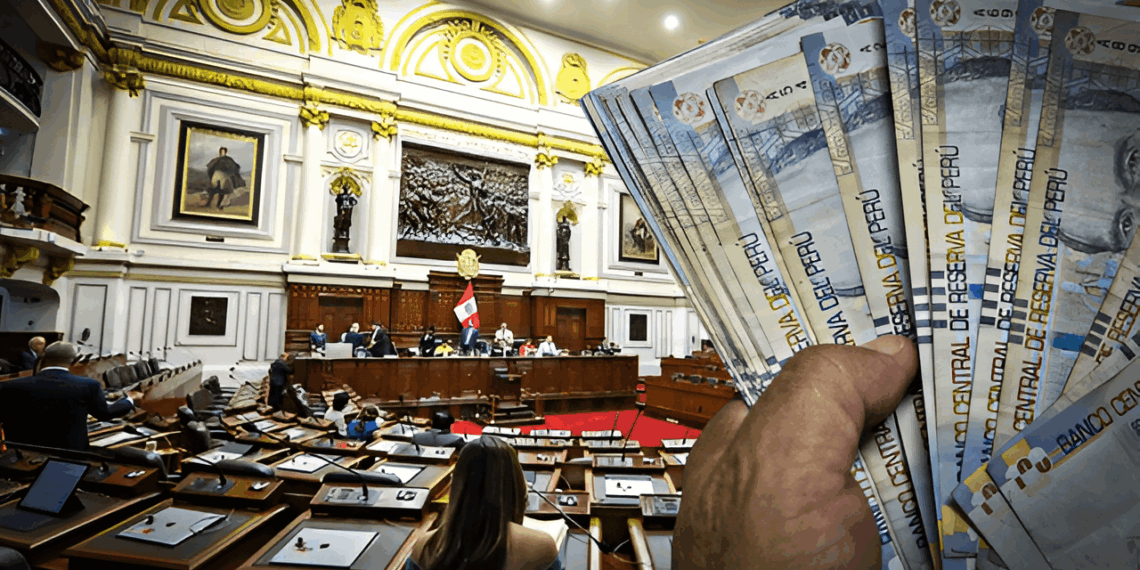
Peru Labor Reform: Congress Approves Bill to Replace CTS with Unemployment Insurance
Lima, Peru — Peru’s Congress has taken a significant step toward modernizing its labor protections by approving a bill that declares the creation of an unemployment insurance system a matter of national interest. The measure, approved by the Labor Commission on May 18, 2026, with 12 votes in favor and two abstentions, marks the first formal legislative push to replace or reform the country’s long-standing Compensación por Tiempo de Servicios (CTS) system—a savings account-like benefit that has been a cornerstone of formal employment for decades.
The approved bill does not immediately eliminate the CTS or establish the new unemployment insurance system. Instead, it creates a legal framework to study and design a comprehensive unemployment protection program, with the Ministry of Labor warning that both systems cannot coexist due to overlapping financial protections. The move has sent shockwaves through Peru’s labor market, where the CTS—equivalent to one month’s salary per year of service—has been both celebrated as a worker safeguard and criticized as an outdated system.
While the bill does not specify a timeline for implementation, its approval signals a shift in Peru’s approach to employment security. The government now faces the challenge of balancing worker protections with economic modernization—a debate that has intensified as unemployment rates fluctuate and informal labor remains a persistent issue.
What Is the CTS and Why Is It Being Replaced?
The Compensación por Tiempo de Servicios (CTS) is a mandatory savings account system where employers deposit 9% of a worker’s monthly salary into a fund managed by the Ministry of Labor. After one year of continuous employment, workers become eligible to withdraw their accumulated savings—typically equivalent to one month’s salary per year worked—either as a lump sum or in installments. For many Peruvians, the CTS has been a critical financial safety net, particularly in times of job loss or economic hardship.
However, critics argue that the CTS system is outdated and fails to provide adequate protection for modern labor challenges. Unlike traditional unemployment insurance, which offers regular payments during job searches, the CTS is a one-time payout that does not cover living expenses over extended periods. The system has faced administrative challenges, including delays in withdrawals and disputes over employer compliance.
The approved bill, originally proposed by Congresswoman Sigrid Bazán, aims to address these gaps by introducing a more flexible and responsive unemployment insurance model. While details of the proposed system remain under discussion, the bill’s approval indicates a commitment to exploring alternatives that could better align with international labor standards.
Key Details of the Approved Bill
The Labor Commission’s approved bill includes several critical provisions:
- Declaration of National Interest: The creation of an unemployment insurance system is now a formal priority for the Peruvian government, requiring technical and legal studies to design the new program.
- No Immediate Elimination of CTS: The bill does not abolish the CTS system but sets the stage for its eventual reform or replacement, pending further analysis.
- Ministry of Labor’s Role: The Ministry of Labor and Promotion of Employment (MTPE) has been tasked with leading the evaluation process, ensuring that any new system complies with constitutional protections for workers.
- Public Consultation: The design phase will include input from labor unions, employers’ associations, and civil society organizations to ensure broad consensus.
According to the Ministry of Labor, the transition to a new system will require careful consideration of fiscal sustainability, administrative capacity, and worker needs. The ministry has emphasized that any reform must maintain or enhance protections for Peru’s most vulnerable workers.
Who Will Be Affected by the Reform?
The proposed changes could impact millions of Peruvians, particularly those in the formal labor sector. Key groups include:
- Formal Workers: Employees under contract with CTS deposits will be directly affected if the system is reformed or replaced. The transition process will need to ensure that workers do not lose access to their accumulated savings.
- Informal Workers: Currently excluded from the CTS system, informal workers may benefit from a broader unemployment insurance program, though challenges remain in extending coverage to this segment of the labor force.
- Employers: Businesses will need to adapt to new labor regulations, potentially facing additional administrative burdens or financial contributions if the unemployment insurance system includes employer-funded components.
- Retirees and Pensioners: The CTS also serves as a supplementary income source for retirees. Any reform must address how existing CTS balances will be treated for those nearing or already in retirement.
Labor unions have expressed mixed reactions to the proposal. While some support the idea of modernizing worker protections, others warn that any changes must not weaken existing safeguards. The General Confederation of Peruvian Workers (CGTP) has called for transparent consultations to ensure that workers’ voices are heard in the design process.
What Happens Next?
The next steps in the process include:
- Technical Studies: The Ministry of Labor will lead a comprehensive analysis of unemployment insurance models, including best practices from other countries and their applicability to Peru’s labor market.
- Legislative Debate: The approved bill will now move to the Plenary Session of Congress for further discussion and potential amendments before becoming law.
- Public Hearings: Stakeholder consultations will be held to gather input from workers, employers, and experts on the design of the new system.
- Pilot Programs: Depending on the timeline, small-scale pilot programs may be implemented to test the feasibility and impact of the proposed unemployment insurance.
The Ministry of Labor has indicated that a final decision on the CTS’s future will depend on the findings of these studies and the political will to implement the reforms. While the bill does not set a deadline for action, observers expect the process to take at least 12–18 months.
Why This Matters for Peru’s Economy
The potential reform of the CTS system is more than a labor policy change—it reflects broader economic and social priorities for Peru. Key considerations include:
- Economic Modernization: Peru’s government has been pushing for labor market reforms to attract investment and improve competitiveness. A more flexible unemployment insurance system could align with global standards and reduce bureaucratic hurdles for businesses.
- Informal Labor Reduction: With an estimated 70% of Peru’s workforce in informal employment, expanding unemployment protections could encourage formalization and reduce economic inequality.
- Financial Sustainability: The CTS system has faced criticism for its administrative costs and potential mismanagement. A well-designed unemployment insurance program could offer a more sustainable model for worker protections.
- Global Comparisons: Countries like Chile and Colombia have already implemented unemployment insurance systems, providing benchmarks for Peru’s potential reforms. However, Peru’s unique labor market dynamics will require tailored solutions.
Economists note that while the CTS has provided a safety net, it does not address the needs of workers facing prolonged unemployment or those in sectors with high turnover rates. An unemployment insurance system, they argue, could offer more targeted and timely support.
FAQ: What Workers Need to Know
1. Will the CTS be eliminated immediately?
No. The approved bill does not abolish the CTS. It declares the creation of an unemployment insurance system a national priority and sets the stage for future reforms. The CTS will remain in place until further legislative action is taken.
2. How will the new unemployment insurance work?
The details have not yet been finalized, but the proposed system is expected to include regular payments to workers who lose their jobs involuntarily, similar to models in other Latin American countries. The exact eligibility criteria, benefit amounts, and funding mechanisms will be determined during the study phase.
3. Will informal workers be covered?
This remains uncertain. While the CTS excludes informal workers, a new unemployment insurance system could potentially expand coverage. However, challenges such as verification of employment status and funding mechanisms will need to be addressed.
4. What happens to my CTS savings?
Your existing CTS savings will remain intact unless and until a new law is passed reforming the system. The transition process will need to ensure that workers can access their funds without disruption.

5. How can I stay informed about updates?
For the latest developments, follow official communications from the Peruvian Congress and the Ministry of Labor. Labor unions and employers’ associations will also provide updates during the consultation process.
Looking Ahead: The Road to Reform
As Peru navigates this labor reform, the coming months will be critical in shaping the future of worker protections in the country. The approved bill represents a starting point rather than a final answer, and its success will depend on inclusive dialogue, technical expertise, and political consensus.
For workers, the key takeaway is that change is coming—but it will not happen overnight. Those with CTS savings should monitor official channels for updates on how the transition will be managed. Employers, meanwhile, should prepare for potential regulatory adjustments as the new system takes shape.
What is clear is that Peru is at a crossroads in its labor policy. The decision to explore unemployment insurance reflects a broader effort to balance economic growth with social protection—a challenge that many countries are grappling with in an era of rapid technological and demographic change.
As the debate unfolds, one thing is certain: the future of work in Peru is being rewritten, and the stakes could not be higher for millions of workers and families.
Related reading