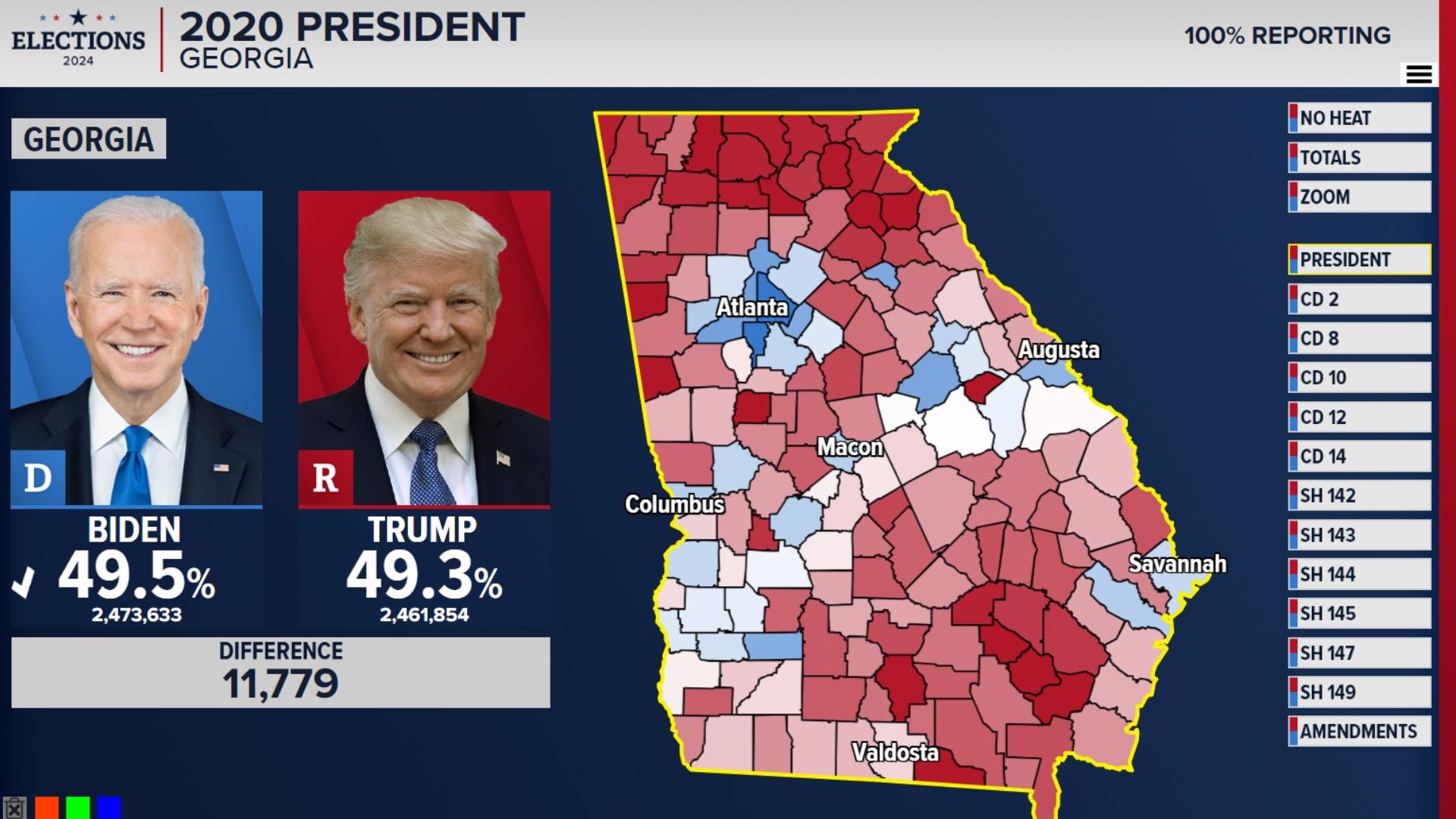
As the 2026 election cycle progresses, the civic engagement of young voters across the United States remains a focal point for political analysts and community organizers alike. In Georgia, the primary election held on May 19, 2026, served as a significant milestone for a new generation of participants, including many young Latinos who are increasingly shaping the political landscape of the Peach State. This surge in participation reflects a broader trend of demographic shifts and heightened interest in local and national governance.
For many first-time voters, the process of casting a ballot is more than a civic duty; it is an entry point into the democratic system. With the state’s population reaching approximately 11.3 million, according to recent estimates, the influence of diverse voting blocs has become more pronounced in determining the direction of state policy, and leadership. Understanding the motivations behind this turnout requires a look at how institutional barriers, educational outreach, and community-led initiatives intersect during the primary season.
The Evolving Role of Young Voters in Georgia
The Georgia primary election, which took place on May 19, 2026, is a critical component of the state’s electoral process, leading up to the general election scheduled for November 3, 2026. As documented by the official state government portal, Georgia.gov, voters are encouraged to plan ahead to ensure their voices are heard in shaping the future of the state. The involvement of younger demographics, particularly within the Latino community, highlights an active effort to engage with issues ranging from economic policy to infrastructure and social services.
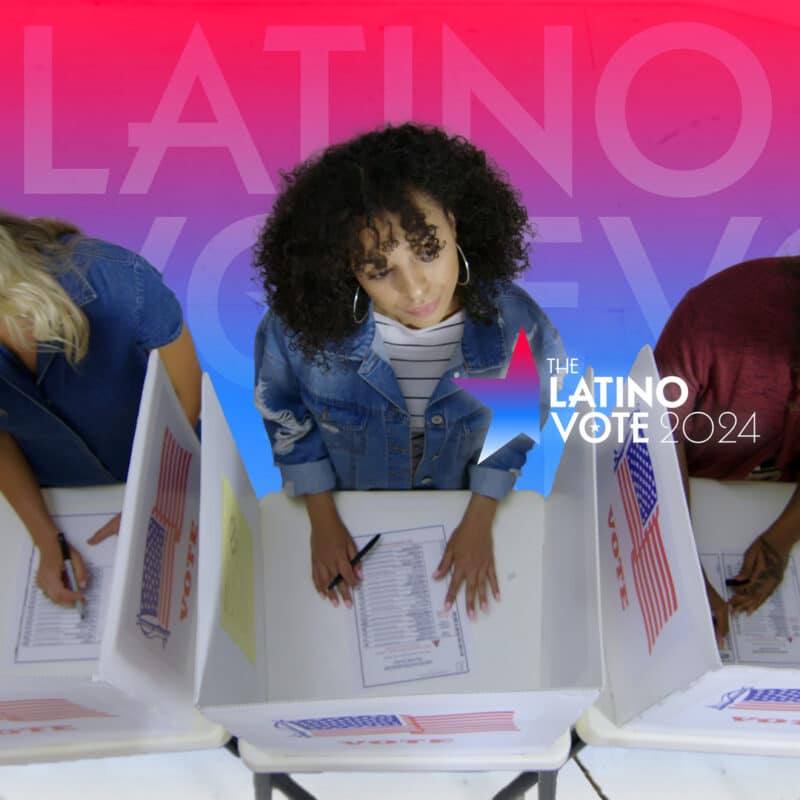
Election participation is facilitated through various state-managed resources that aim to streamline the experience for residents. Whether navigating the requirements for identifying polling locations or understanding the specific items on a ballot, the state provides a centralized framework to assist both seasoned and first-time voters. For many young people, accessing these resources is the first step in a lifelong commitment to political participation.
Understanding the Primary Election Landscape
The 2026 primary cycle is part of a larger, complex administrative effort to manage elections across the United States. While Georgia held its primary on May 19, other states follow their own unique schedules. The administration of these contests involves rigorous adherence to state laws and the oversight of the Georgia General Assembly. Notably, Governor Brian Kemp has announced a special session of the Georgia General Assembly, which is set to convene on June 17, 2026, to address pressing legislative matters.
This legislative activity underscores the importance of the primary results, as the individuals selected by voters will eventually move on to represent their constituents in the general election. For the younger generation, the stakes are high, as the policies debated during these sessions directly affect their educational opportunities, employment prospects, and overall quality of life. The intersection of legislative action and voter turnout is a dynamic that continues to define the political character of the state.
Key Resources for Georgia Voters
- Voter Information: Residents can verify their registration status and find polling places through the official state portal.
- Election Deadlines: Keeping track of primary and general election dates is essential for maintaining consistent participation.
- Legislative Updates: Following the activities of the Georgia General Assembly provides insight into how current policies are formulated and debated.
- Community Engagement: Local organizations often provide non-partisan guides that help voters understand the platforms of different candidates.
Looking Ahead: The Path to November
With the primary election concluded, the focus now shifts toward the general election on November 3, 2026. Political observers will be watching closely to see if the momentum generated by young voters during the primaries continues to build. The influence of the Latino electorate, in particular, is expected to remain a significant factor in the electoral outcome, as outreach efforts and grassroots advocacy continue to prioritize voter education and turnout.
For those interested in the ongoing developments of the state government, the official Georgia.gov website remains the most reliable source for information regarding election procedures, tax updates, and legislative sessions. As we move closer to the fall, the active participation of an informed citizenry will be the primary driver of Georgia’s political trajectory.
The next major checkpoint in the state’s political calendar is the special session of the Georgia General Assembly beginning on June 17, 2026. We invite our readers to share their thoughts on the recent primary election and the issues that matter most to them as we look toward the general election in November. Your engagement is vital to the ongoing dialogue surrounding our democracy.
Worth a look