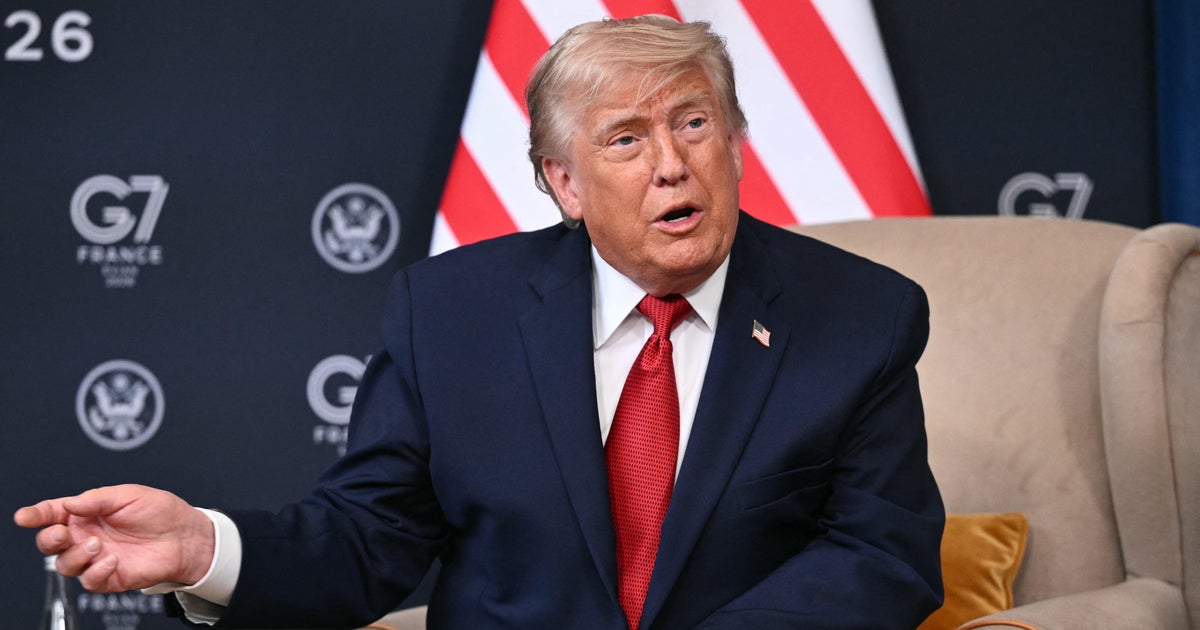
President-elect Donald Trump has described the status of potential diplomatic negotiations regarding Iran as “not final,” while simultaneously warning that the United States could resume military action if the Iranian government does not meet specific behavioral expectations. This development follows reports of ongoing discussions concerning a possible Memorandum of Understanding (MOU) between the two nations, though official confirmation of a signed agreement remains pending.
The uncertainty surrounding these diplomatic efforts highlights the volatility of U.S.-Iran relations during this transition period. While the President-elect has signaled an openness to engagement, he has maintained a strategy of “maximum pressure,” balancing the prospect of diplomatic de-escalation against the threat of renewed kinetic operations. According to reporting from Reuters, the administration’s focus remains on securing a framework that addresses nuclear proliferation and regional security, though the exact terms of such an arrangement have not been publicly disclosed by the Department of State or the transition team.
Status of the U.S.-Iran Diplomatic Framework
The primary point of contention involves the potential for a formal agreement, which observers often refer to as a Memorandum of Understanding. As of late January 2025, no official document has been published or ratified by both parties. The President-elect’s recent comments suggest that while back-channel communications may be occurring, the transition team is not yet prepared to announce a finalized deal. This approach appears designed to retain leverage over Tehran, ensuring that any eventual agreement aligns with the administration’s stated goals regarding Iran’s regional influence and ballistic missile programs.
Analysts note that the ambiguity serves a dual purpose: it allows the incoming administration to pressure Iran to curtail its support for regional proxies while avoiding the political fallout of an incomplete or perceived “weak” deal. The U.S. Department of State typically manages such diplomatic initiatives, but the current transition has seen the President-elect’s own team take a more direct, personal role in the messaging surrounding these talks.
Threats of Military Escalation
The President-elect’s rhetoric regarding the resumption of bombing campaigns marks a significant escalation in tone. By explicitly linking the cessation of military threats to Iranian “behavior,” the incoming administration is attempting to enforce compliance through the threat of force. This strategy mirrors the “peace through strength” doctrine emphasized throughout the 2024 campaign, which prioritizes unilateral action over multilateral consensus.
Military experts observe that the threat to resume bombing operations implies a readiness to utilize air power if intelligence reports suggest that Iran is violating prior informal understandings or accelerating its nuclear enrichment activities. According to the International Atomic Energy Agency (IAEA), which continues to monitor Iranian facilities, the enrichment levels remain a core subject of concern for Western powers. The administration has yet to provide specific criteria for what constitutes “behaving,” leaving the threshold for military intervention subject to the President-elect’s future interpretation.
Criticism and Internal Policy Debates
The potential for a narrow or limited deal has drawn criticism from various political corners. Some lawmakers within the Republican Party argue that any agreement with Iran must be comprehensive, covering not only nuclear capabilities but also human rights abuses and regional proxy warfare. Conversely, some national security advisors have warned that pushing for an overly ambitious, “all-encompassing” deal may result in a total collapse of negotiations, potentially leading to the very military conflict the administration claims it wishes to avoid.
The debate highlights a deep divide regarding the efficacy of economic sanctions versus direct diplomacy. While the administration continues to enforce existing sanctions, the current discussions represent a tactical shift. The goal, as articulated by the President-elect, is to achieve a “better deal” than the 2015 Joint Comprehensive Plan of Action (JCPOA), which the previous Trump administration exited in 2018. Whether this iteration of engagement will produce a different outcome depends on the willingness of the Iranian leadership to accept terms that significantly constrain their strategic operations.
What Happens Next
The immediate future of U.S.-Iran relations hinges on the upcoming weeks of the presidential transition. Observers should monitor official statements from the White House and the State Department regarding the potential signing of an MOU. If an agreement is reached, it will likely face intense scrutiny in Congress, where members of both chambers have historically demanded oversight on any policy changes affecting the Middle East.
For now, the situation remains in a state of flux. The administration has not provided a specific deadline for when the world will “find out” the status of these talks. As the transition concludes, the focus will shift to whether the administration can translate these threats and negotiations into a verifiable, long-term policy that stabilizes the region. Readers are encouraged to monitor official government press briefings for the most current updates on diplomatic developments.
Jonathan Reed serves as the News Editor at World Today Journal. With over 16 years of experience in investigative reporting, he specializes in analyzing international security and political policy. Have thoughts on this developing situation? Join the conversation in the comments section below or share this article with your network.
Keep reading