
Diplomatic circles are closely monitoring reports of a potential 14-point memorandum concerning the longstanding nuclear and geopolitical impasse between the United States and Iran. While international media outlets have circulated details regarding a purported framework for de-escalation, including provisions for the dilution of uranium stocks and the stabilization of the Strait of Hormuz, no official confirmation has been issued by the U.S. State Department or the Iranian Ministry of Foreign Affairs regarding a signing at the Bürgenstock summit.
The reports, which have surfaced amidst heightened tensions in the Middle East, describe a preliminary document aimed at addressing three core pillars: nuclear non-proliferation, the recalibration of economic sanctions, and maritime security in critical energy corridors. According to reporting from major international news organizations, the document remains a subject of intense speculation rather than an established diplomatic breakthrough.
The Proposed Framework and Nuclear Non-Proliferation
Central to the purported 14-point text is the management of Iran’s nuclear program, specifically the handling of enriched uranium stockpiles. Reports suggest the framework outlines a process for the dilution or transfer of high-enriched uranium to third-party nations, a mechanism similar to previous iterations of the Joint Comprehensive Plan of Action (JCPOA), which was originally signed in 2015. Under that agreement, Iran committed to strict limits on its nuclear activities in exchange for the lifting of international sanctions, as verified by the International Atomic Energy Agency (IAEA).

The current discourse surrounding the Bürgenstock memorandum emphasizes a “step-by-step” approach. Analysts note that any movement toward re-establishing these limits would require rigorous monitoring by the IAEA to verify compliance with international non-proliferation standards. As of the latest reports from the U.S. Department of State, official policy remains focused on preventing Iran from obtaining a nuclear weapon, though Washington has not publicly endorsed the specific terms currently circulating in European media.
Sanctions and Maritime Security in the Strait of Hormuz
The memorandum reportedly links the easing of specific economic sanctions to concrete Iranian actions, including the guarantee of unfettered passage through the Strait of Hormuz. This strategic waterway remains one of the world’s most significant oil transit points, with the U.S. Energy Information Administration (EIA) noting that nearly 20% of global petroleum consumption flows through the strait.
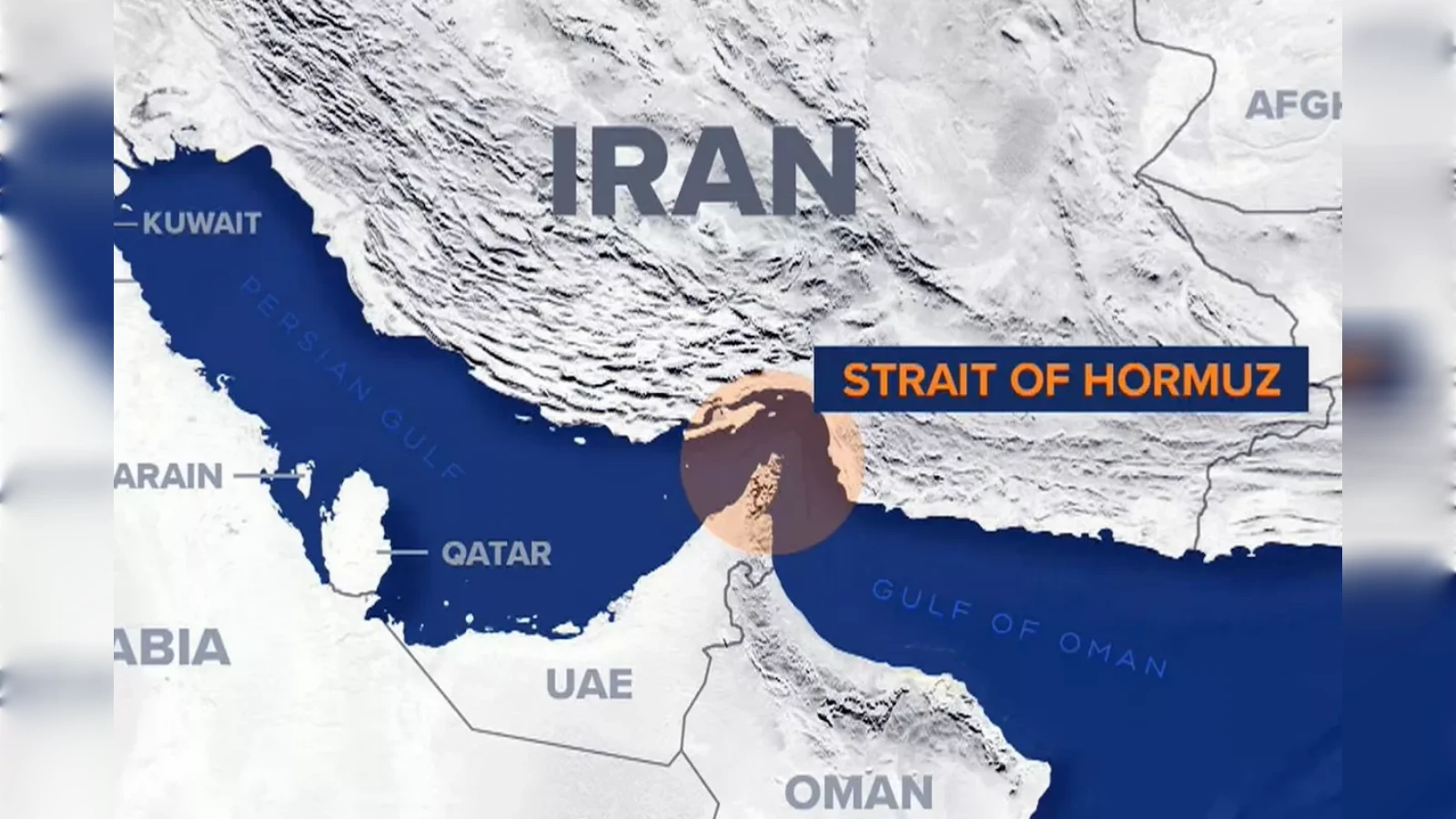
The inclusion of maritime security in the reported 14-point text reflects a broader attempt to mitigate the risk of military escalation between the U.S. Navy and the Iranian Revolutionary Guard Corps. Previous incidents in the region have led to increased patrols and regional security alliances. While the potential for a “reconstruction” phase for Iran’s economy is mentioned in the circulating text, experts maintain that any significant removal of U.S. primary sanctions would require extensive congressional review and a verified change in Iranian regional behavior.
Why Diplomatic Skepticism Remains
Despite the circulation of these 14 points, political analysts highlight significant hurdles to implementation. The lack of an official, public-facing document from either the White House or the Iranian government suggests that the text may represent a draft or a working proposal rather than a finalized agreement. The political landscape in Washington, combined with Tehran’s own internal security priorities, continues to complicate the prospect of a formal treaty.
Furthermore, the history of U.S.-Iran relations since the 2018 withdrawal from the JCPOA has been marked by a cycle of increased sanctions and regional proxy conflicts. For an agreement to gain traction, it would likely need to address not only the nuclear file but also broader concerns regarding ballistic missile development and regional influence, areas where the two nations remain deeply divided. As reported by various international observers, the “project of memorandum” faces a high threshold for success given the current lack of high-level diplomatic trust.
Current Status and Next Steps
As of this writing, there is no verified schedule for the formalization or signing of a 14-point agreement at the Bürgenstock summit. The international community continues to await official statements from the respective delegations. The next major checkpoint for assessing the status of these talks will be the upcoming IAEA Board of Governors meeting, where updates on Iran’s nuclear activities are typically provided to member states.
Readers are encouraged to follow official press briefings from the White House Press Office and the Iranian Ministry of Foreign Affairs for the most accurate and timely developments regarding these potential diplomatic initiatives. We welcome your perspectives in the comments section below as we continue to track this developing story.
Keep reading