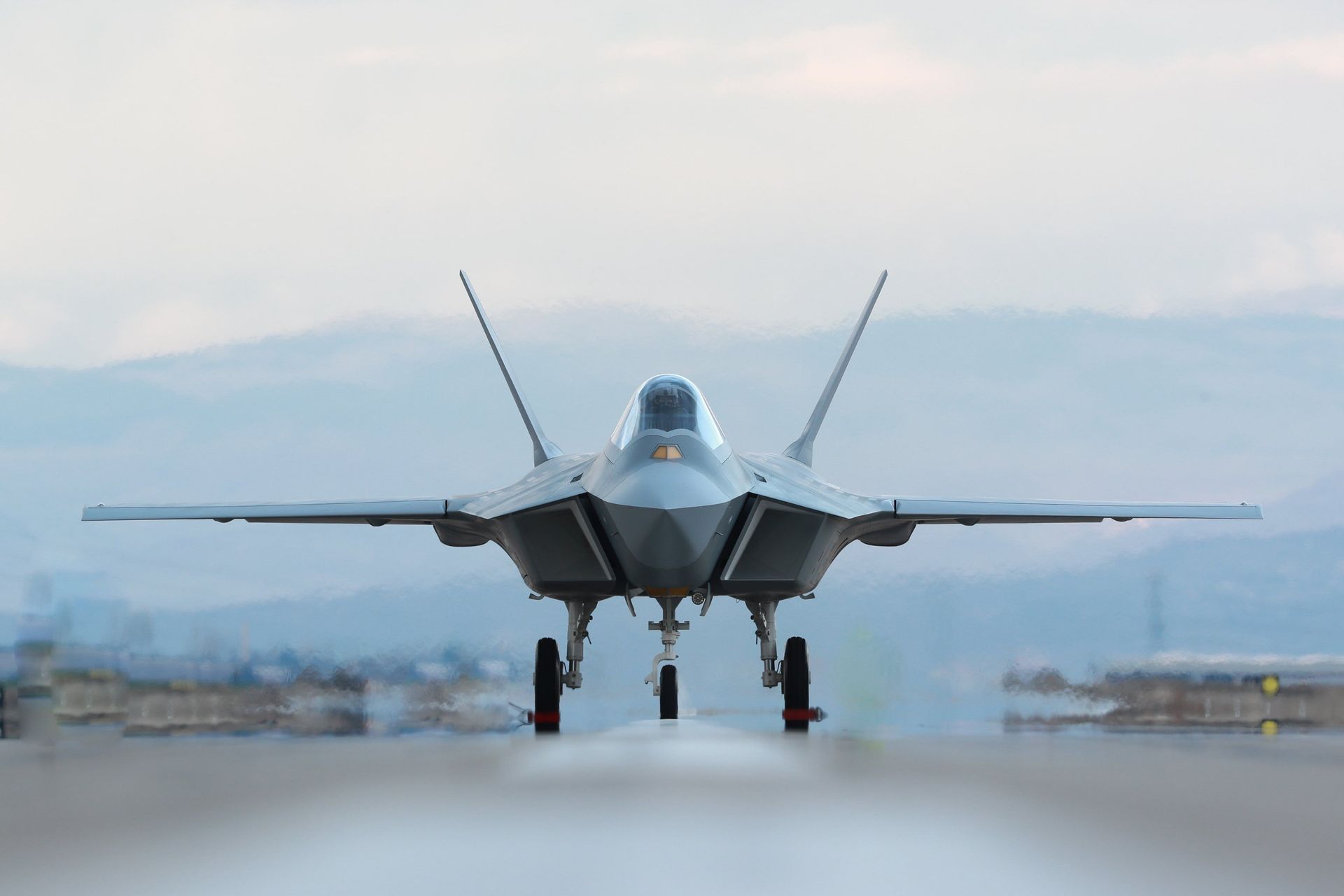
Turkey’s role as the second-largest military force within NATO remains a critical focal point of transatlantic security, particularly as the alliance navigates complex procurement partnerships and shifting diplomatic alignments. Recent developments, including the U.S. State Department’s movement toward approving engine technology transfers for Turkey’s domestic KAAN fighter jet program and high-level diplomatic outreach regarding future summit attendance, underscore the ongoing strategic tension between Ankara and Washington. These interactions highlight the delicate balance Turkey maintains as a key regional power operating within a broader collective defense framework.
Strategic Procurement and the KAAN Fighter Program
The modernization of the Turkish Air Force through the indigenous KAAN fifth-generation fighter program relies heavily on international technical cooperation. The U.S. State Department has signaled a willingness to permit the export of engine technology essential for the aircraft’s development, a move that aligns with broader efforts to keep Turkey integrated within Western defense industrial standards. According to reports from the U.S. Department of State, defense trade authorizations are evaluated on a case-by-case basis to ensure compatibility with broader NATO interoperability goals.
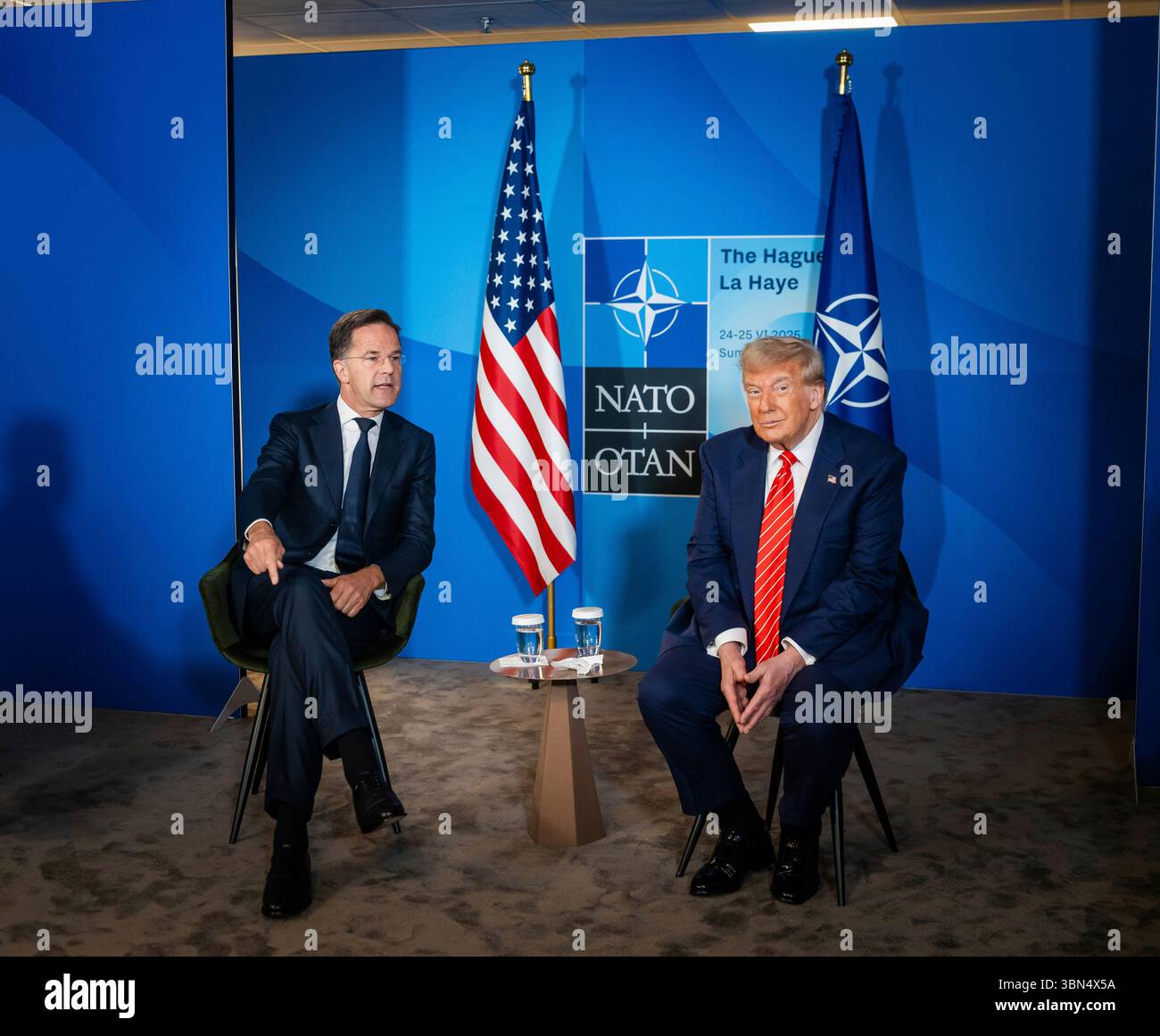
This potential transaction has faced scrutiny within the U.S. Congress, where lawmakers have historically expressed reservations regarding the export of sensitive military technology to certain allies. The legislative oversight process requires the administration to notify Congress of major foreign military sales, providing an opportunity for members to voice concerns or place holds on transfers, as noted by the Senate Foreign Relations Committee regarding similar past defense exports. The debate centers on balancing the immediate need for NATO cohesion against long-term strategic concerns regarding regional autonomy.
Diplomatic Alignment and NATO Summit Participation
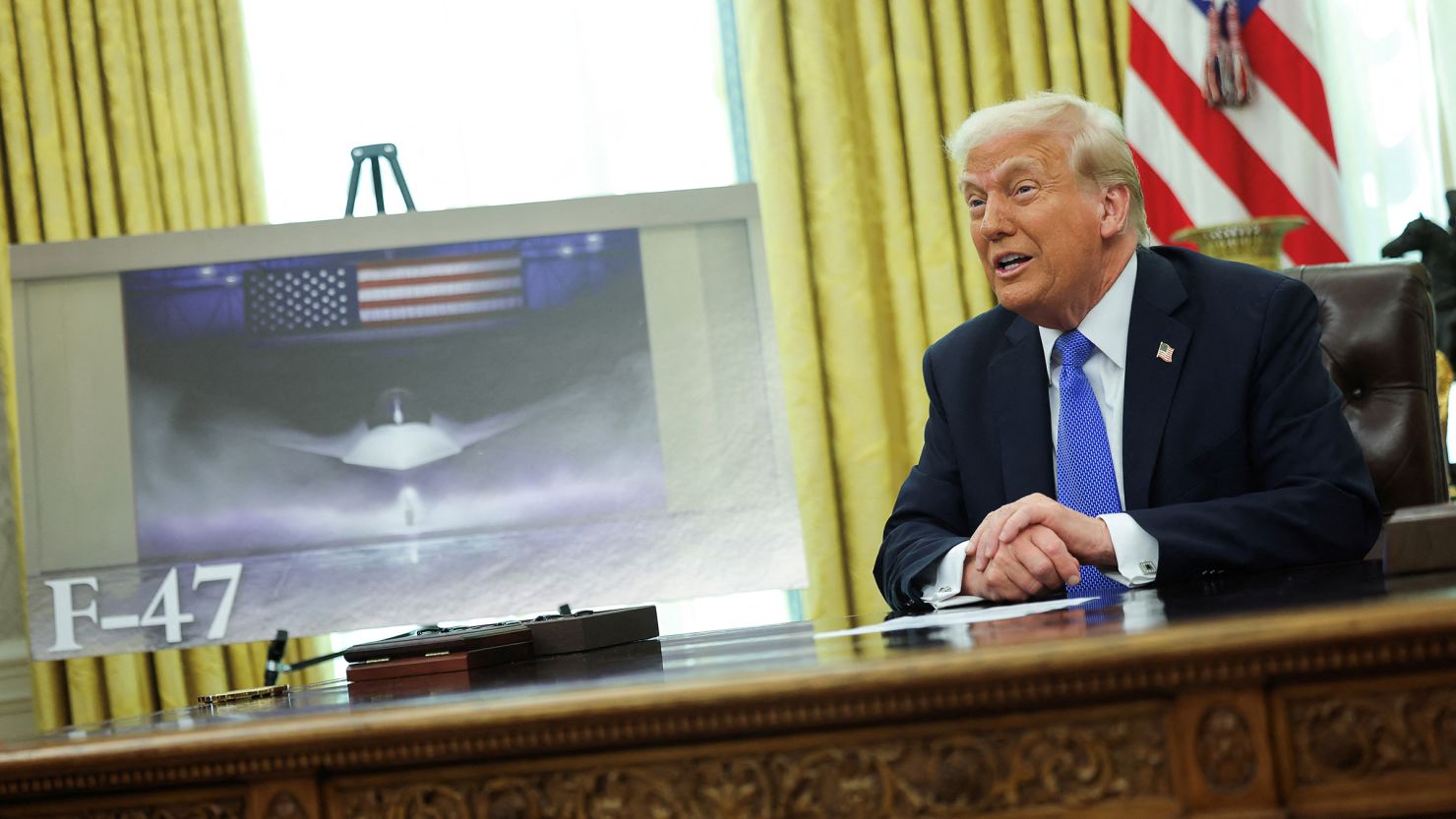
Diplomatic channels between Ankara and Washington remain active, with recent high-level communications influencing international summit agendas. Reports indicate that discussions involving key political figures, including U.S. President-elect Donald Trump, have touched upon the importance of continued Turkish participation in NATO-related forums. Such dialogues serve as a barometer for the health of the bilateral relationship, which has often fluctuated based on regional security priorities and divergent approaches to conflict management in the Middle East.
The significance of these diplomatic efforts is amplified by Turkey’s unique geopolitical position. As a nation bordering both the Black Sea and the Mediterranean, Ankara provides the alliance with essential strategic depth. According to the North Atlantic Treaty Organization, Turkey maintains the second-largest military by personnel count among the 32 member states, a fact that consistently necessitates a pragmatic approach to diplomatic friction. This reality ensures that even during periods of policy disagreement, the fundamental security partnership remains an operational priority for both capitals.
Integration and Interoperability Within the Alliance
The primary challenge for NATO in its relationship with Turkey is the harmonization of national defense strategies with alliance-wide standards. While Turkey has pursued independent defense initiatives, such as the KAAN project, these programs are designed to eventually meet the technical requirements of a modern, integrated air force. The reliance on U.S.-origin components, such as jet engines, serves as a mechanism to ensure that Turkish assets remain interoperable with those of other NATO members, including the United States and the United Kingdom.
The process of maintaining this interoperability is governed by a series of bilateral agreements and Department of Defense protocols that dictate how sensitive technology is handled and protected. These frameworks are designed to minimize the risk of technical leakage while allowing allies to develop their own industrial capabilities. For observers of global affairs, the ongoing negotiations regarding the KAAN program provide a clear view of how NATO manages the tension between sovereign defense ambitions and the collective security requirements of the alliance.
Future Checkpoints and Ongoing Developments
The next phase of the KAAN fighter engine negotiations will likely depend on the outcome of further notifications to the U.S. Congress and subsequent technical reviews by the Department of State. Observers expect the next official update on this procurement process to emerge through standard Defense Security Cooperation Agency announcements, which detail the approval of major defense articles for foreign partners. These disclosures provide the most accurate timeline for when specific technologies may transition from the proposal phase to active export licenses.
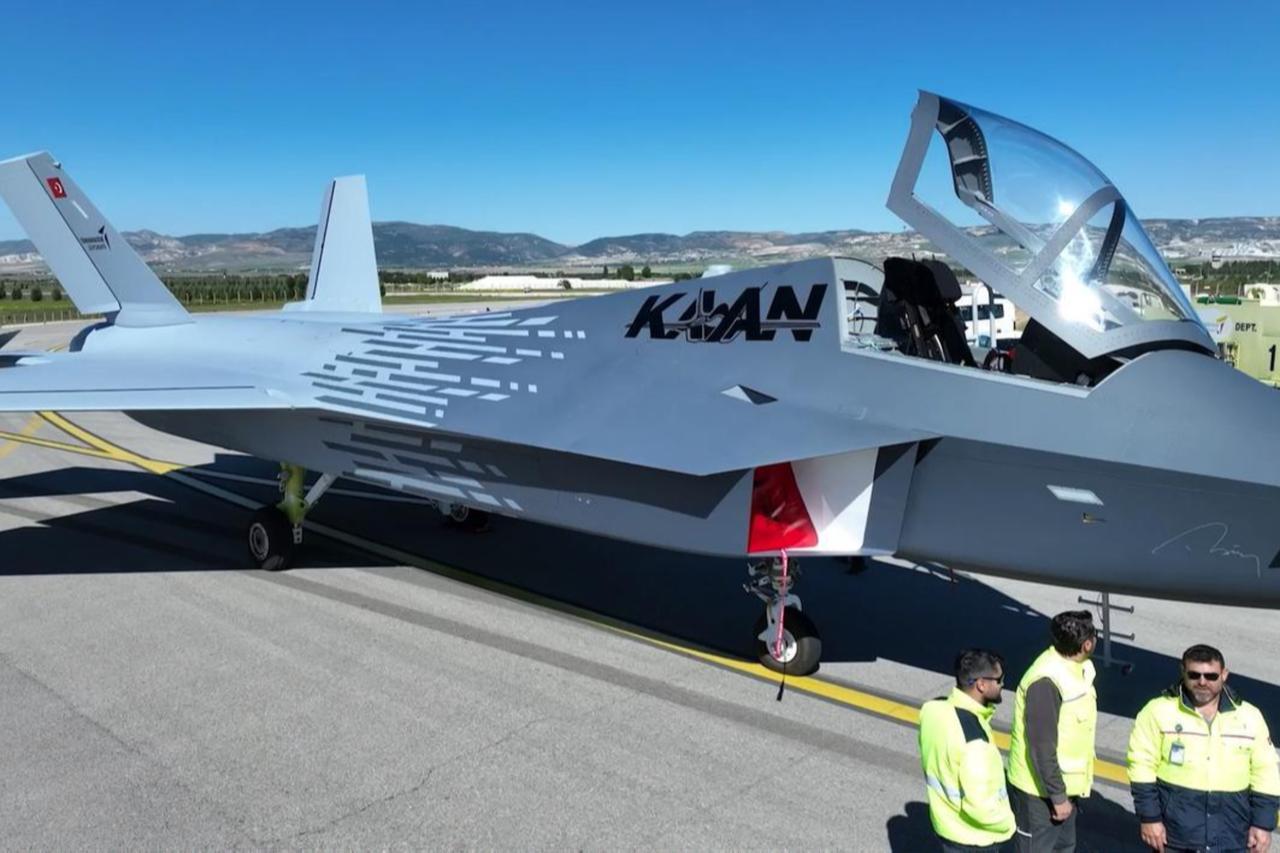
As the international community monitors these developments, the focus remains on whether Turkey can successfully balance its domestic industrial goals with its commitments as a cornerstone of the NATO alliance. The interplay between military procurement and diplomatic engagement continues to define the trajectory of the relationship. We invite our readers to share their perspectives on these developments in the comments section below and to stay updated as further official statements are released.