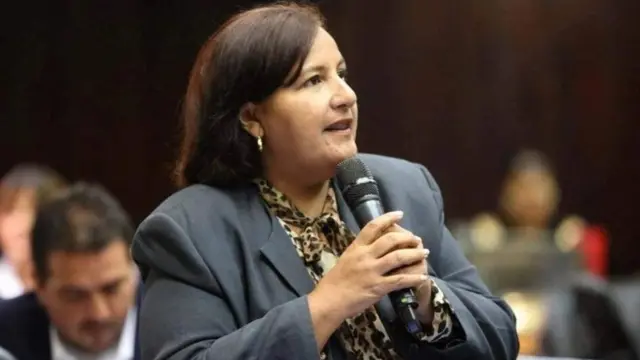
The United States government has maintained a consistent diplomatic policy regarding the Venezuelan opposition, opting to engage with a broad coalition of political actors rather than centering its dialogue efforts exclusively on Maria Corina Machado. This strategic approach stems from a commitment to supporting the Unitary Platform, a diverse opposition alliance that includes multiple political parties, according to statements from the U.S. Department of State.
Following the July 28, 2024, presidential election in Venezuela, the U.S. has navigated a complex diplomatic environment, balancing support for democratic processes with the practical necessity of maintaining channels that include various stakeholders, such as Dinorah Figuera, who has served as the president of the National Assembly elected in 2015. Detailed information regarding U.S. foreign policy toward the Venezuelan transition can be found in the official records maintained by the U.S. Department of State.
The U.S. Strategy of Broad Engagement
Washington’s decision to engage with a representative body rather than an individual leader is rooted in the structure of the Unitary Platform. By supporting this coalition, the U.S. seeks to ensure that any potential transition or negotiation process reflects the consensus of the primary opposition forces currently challenging the administration of Nicolás Maduro. Analysts note that this strategy aims to avoid the risks associated with personality-driven diplomacy, which could fracture the opposition movement if a single leader were to become the sole point of contact for international mediators.

The U.S. government has emphasized that the primary objective of these engagements is to advocate for the publication of verified election results. According to the White House, the United States continues to call for transparency in the electoral process, citing the need for the National Electoral Council (CNE) to release disaggregated data from all polling stations. This requirement remains a central pillar of the international community’s stance on the legitimacy of the recent vote.
The Role of Dinorah Figuera and the National Assembly
Dinorah Figuera, representing the 2015-elected National Assembly, plays a specific role within the framework of the opposition’s international standing. While Maria Corina Machado maintains significant popular support, as evidenced by her victory in the October 2023 opposition primaries, the U.S. recognizes the institutional role of the 2015 National Assembly as a key legal entity in the eyes of many international observers. The Reuters archive documents the evolution of this legislative body following the dissolution of the “interim government” structure previously led by Juan Guaidó.
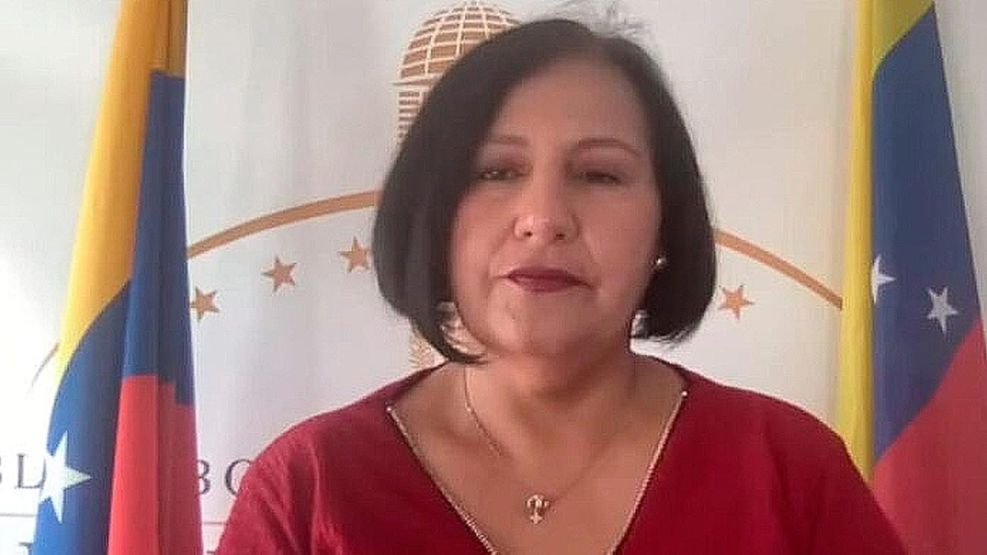
This institutional recognition allows the U.S. to maintain a legalistic approach to its foreign policy. By engaging with the assembly, the State Department can interact with a recognized entity that holds a mandate from the 2015 elections, providing a degree of continuity that individual leaders, despite their electoral popularity, may lack under current domestic legal restrictions in Venezuela.
Challenges to Opposition Unity
The internal dynamics of the Venezuelan opposition remain fluid. The challenge for the United States is to maintain support for a democratic transition while managing the divergent strategies of different opposition factions. While Machado has called for a transition of power based on the results of the 2024 election, other actors within the Unitary Platform are focused on maintaining the functionality of the assembly and managing external assets.
According to reports from the BBC, the international pressure on the Venezuelan government is compounded by economic sanctions and the refusal of several regional powers to recognize the official results announced by the CNE. The U.S. position, as articulated by Secretary of State Antony Blinken, remains that the will of the Venezuelan people must be respected through a transparent and verifiable process.
What Happens Next
The diplomatic landscape will likely remain focused on the upcoming certification processes and the potential for increased international mediation. The United States has indicated that its future policy decisions—including the potential for further sanctions or the easing of existing ones—will depend on the actions taken by the Venezuelan authorities regarding democratic norms and human rights.

Observers are currently monitoring the status of individual political figures and the institutional stability of the opposition coalition. The next major checkpoint will likely involve the formalization of the new legislative term and any updates from the Organization of American States (OAS) regarding their ongoing assessment of the Venezuelan electoral crisis. Readers seeking the most recent developments can monitor the official OAS Press Room for updates on regional diplomatic efforts.
We invite our readers to share their perspectives on this complex geopolitical situation in the comments section below. How do you believe international actors can best support a democratic transition in the current environment?
Related reading