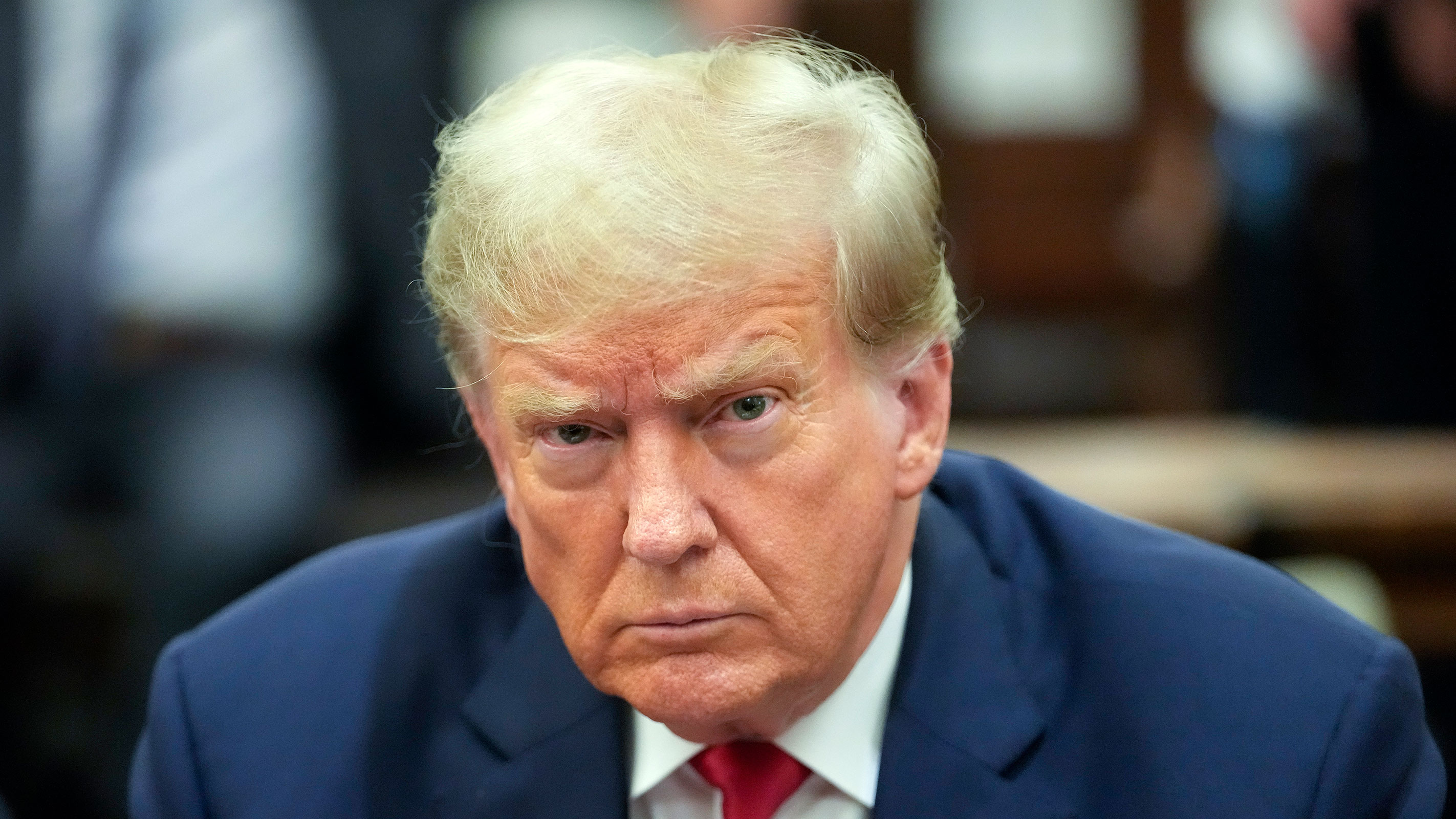
President Donald Trump announced Monday that he will impose 50 percent tariffs on most Canadian goods in 30 days, citing discriminatory trade barriers. While the administration linked the move to trade disputes over autos, alcohol, and dairy, the president previously threatened tariffs following recent Canadian wildfires.
The proposed levy, which would take effect in 30 days, marks a significant escalation in U.S.-Canada economic relations. According to Washingtonpost, the administration is invoking a 1930 trade law provision that has never been used before. The action targets goods that were previously shielded by the United States-Mexico-Canada Agreement (USMCA), a pact the president signed in 2020.
Retaliation and Trade Barriers
The official justification for the tariffs centers on what the White House describes as discriminatory treatment of American products. A senior administration official told reporters that the move is a direct response to Canadian retaliation against U.S. tariffs imposed in April 2025, specifically regarding the removal of American alcohol from Canadian store shelves. The administration also cited ongoing disputes involving Canadian limits on auto imports and dairy products.
This development follows a weekend of heightened tension. On Sunday, after appearing at the World Cup final with Canadian Prime Minister Mark Carney, President Trump linked the threat of tariffs to environmental concerns. Our air has been poisoned. Have a good relationship with Mark Carney, but you know we got to stop the fires up there. If we can help them, we’ll help them. But maybe they should pay us some damages or something, or we should do some tariffs,
the president said, as reported by Washingtonpost. By Monday, however, administration officials clarified that the formal tariff action was legally tied to trade policy rather than the wildfires.
Economic Impact and Market Uncertainty
The announcement has sparked immediate concern among industry leaders and economists regarding the potential for rising costs. Ed Gresser, vice president of the Progressive Policy Institute, noted that the timing—ahead of the November midterm elections—could prove politically difficult for the administration. If you as a family or you as a business were hoping for some relief this fall, you’re not going to get it. Things are going to get more expensive,
Gresser told Washingtonpost.

Not all observers are convinced the 50 percent rate will ultimately be implemented. Ryan Majerus, a partner at King & Spalding and a former U.S. trade official, characterized the 30-day delay as a strategic maneuver. The fact that it’s delayed 30 days makes me think it’s a negotiating tactic,
Majerus said. It seems like leverage.
Some industries have already started calling for a diplomatic resolution to avoid sector-wide damage. Chris Swonger, CEO of the Distilled Spirits Council of the United States, urged both nations to find common ground. We encourage policymakers on both sides of the border to pursue a negotiated solution that restores market access for U.S. spirits and avoids further harm to the U.S. hospitality sector,
Swonger said, as noted by AP News.
Canadian Response and Future Negotiations
In Ottawa, the reaction has been one of readiness for both negotiation and potential retaliation. Prime Minister Mark Carney issued a statement emphasizing Canada’s commitment to free trade, noting the country has secured more than 20 new economic and security partnerships. Canada stands ready to engage intensively to address outstanding issues with the U.S. to the mutual benefit of our citizens,
Carney said, according to AP News.
Others within Canada have signaled a more confrontational stance. Ontario Premier Doug Ford suggested that Canada should mirror any U.S. actions. If these tariffs proceed, Canada should respond tariff for tariff, dollar for dollar,
Ford stated on social media. Meanwhile, Candace Laing, CEO of the Canadian Chamber of Commerce, described the move as regrettable
but emphasized the need to use the coming month to advance formal trade talks.
The scope of the proposed tariffs includes most Canadian goods, though the administration has confirmed that energy products, potash, fish, and critical minerals will be exempt. The outcome remains uncertain as the U.S. and Canada prepare for a 30-day window of intense negotiation, a period that will test the durability of the two nations’ long-standing economic partnership.
Keep reading