
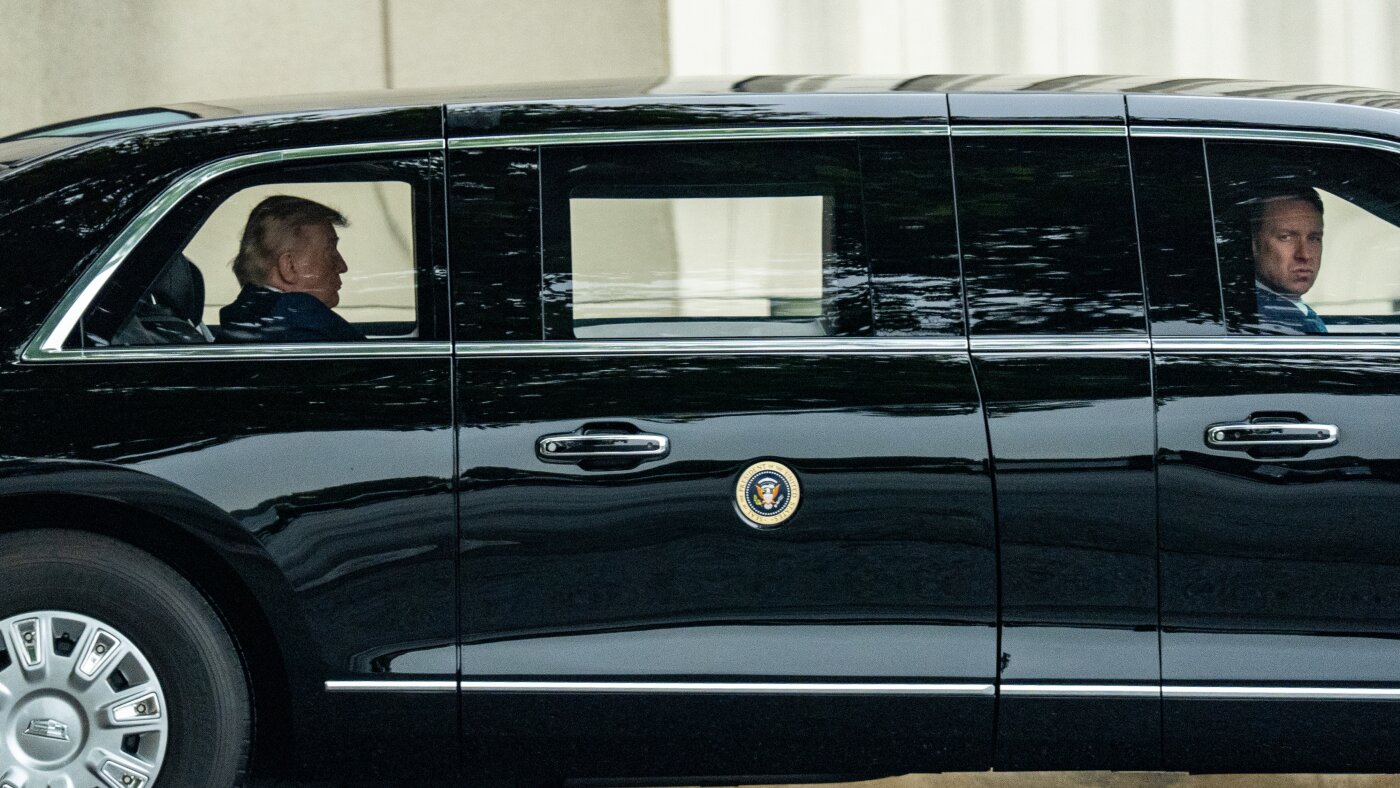
WASHINGTON — President Donald Trump is set to convene his Cabinet on Wednesday, May 27, 2026, as his administration navigates a critical juncture in diplomatic efforts aimed at ending the ongoing war with Iran. The meeting occurs at a precarious moment, with the president actively working to finalize a deal that has drawn sharp scrutiny from various political stakeholders and international observers.
The situation remains fluid as the administration balances the strategic objectives of the proposed agreement against concerns regarding its long-term impact on regional stability. While the White House has framed these negotiations as a path toward conflict resolution, the internal and external reactions to the emerging framework have highlighted the deep divisions regarding the appropriate approach to Iranian policy.
Image credit: Alex Brandon
Diplomatic Efforts Under Scrutiny
The upcoming cabinet meeting is expected to focus on the specific terms of the proposed agreement and the administration’s strategy for addressing the concerns raised by critics. Supporters of the president’s approach argue that a decisive end to the conflict is necessary to reorient U.S. Foreign policy toward other global priorities. However, there is significant pushback from those who worry that the concessions required to reach a deal could inadvertently empower Iran, undermining security interests in West Asia.
As the administration moves toward a potential resolution, the president is faced with the challenge of building consensus both within his own cabinet and among congressional leaders. The complexity of the negotiations is compounded by the historical sensitivity of U.S.-Iran relations, which have been marked by decades of tension and intermittent diplomatic engagement. For detailed updates on the administration’s official foreign policy statements, citizens can monitor the White House press briefings.
The Domestic Political Landscape
The intensity of the debate surrounding the Iran deal reflects the broader political climate in Washington. The president’s ability to secure domestic support for his foreign policy agenda remains a key factor in his presidency, which entered a new phase following his inauguration on January 20, 2025. According to records from the National Archives and Records Administration, managing executive-legislative relations during periods of high-stakes international negotiation has historically been one of the most demanding aspects of the executive branch.

Political analysts note that the current discourse is not limited to foreign policy alone. The administration is simultaneously managing a variety of domestic issues, ranging from legislative turnover in Congress to various administrative initiatives. The intersection of these domestic pressures and the high-stakes nature of the Iran negotiations creates a complex environment for the president as he prepares to address his cabinet.
Strategic Context and Future Outlook
The war with Iran has remained a central theme in international relations, influencing everything from global energy markets to regional security alliances. As the Cabinet gathers, the administration is expected to review intelligence assessments and diplomatic reports that will inform the final stages of the negotiation process. The primary challenge remains achieving a durable settlement that addresses the core grievances of all involved parties without compromising the broader security architecture of the region.
The White House has not yet released a comprehensive timeline for when the details of the deal might be presented to the public or submitted for congressional review. Observers are particularly focused on whether the administration will seek formal ratification or if it will rely on executive authorities to implement the agreement. Official information regarding the status of these negotiations will be posted on the U.S. Department of State website as the situation develops.
Key Considerations for the Administration
- Regional Stability: Assessing how the deal impacts the balance of power in West Asia.
- Congressional Oversight: Navigating the requirements for legislative review of international agreements.
- Public Perception: Addressing the concerns of backers who fear the potential emboldening of regional adversaries.
- Diplomatic Verification: Establishing mechanisms to ensure compliance with the terms of any potential deal.
As of Wednesday, May 27, 2026, the administration has not announced a follow-up briefing to the cabinet meeting, but officials are expected to provide updates as negotiations progress. We will continue to track these developments and provide verified information as it becomes available. We invite our readers to share their perspectives on the evolving geopolitical landscape in the comments section below.
