
The shifting Sands of US-Russia-Ukraine Relations: Trump, Putin, adn the Pursuit of a Deal
The geopolitical landscape surrounding the war in Ukraine is undergoing a critical shift, marked by a renewed and concerning dynamic between former President Donald Trump and Russian President Vladimir Putin. Recent developments suggest a pattern of Putin exploiting Trump’s vulnerabilities,while Ukraine finds itself navigating a precarious position,attempting to secure continued US support amidst a changing management. This analysis will delve into the intricacies of thes relationships, the implications for the conflict, and what you, as a concerned observer, need to understand.
A History of Manipulation: Putin’s Playbook with Trump
It’s no secret that Putin has long recognized and leveraged Trump’s penchant for flattery and deal-making. Initially, Trump appeared susceptible to Russian disinformation, even going so far as to, inexplicably, blame Ukraine for initiating the war. Though, a strategic pivot has been observed.
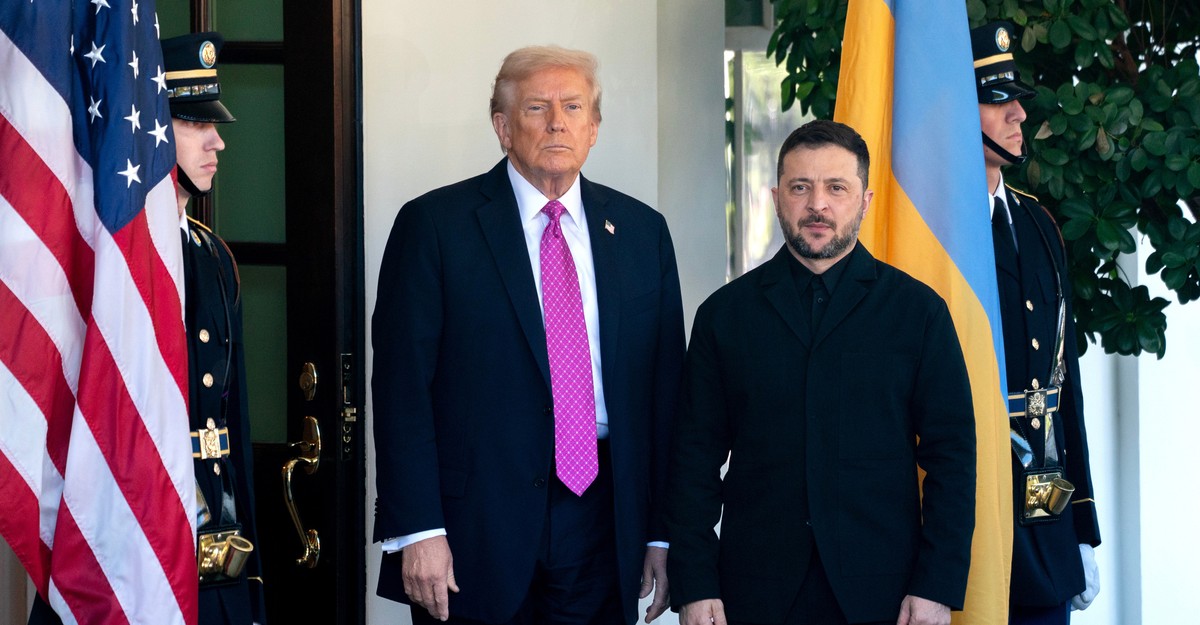
Ukrainian President Zelenskyy, recognizing this dynamic, has begun appealing directly to Trump’s ego. With support from European leaders,Zelenskyy is framing Russia,not Ukraine,as the primary impediment to peace – a message designed to resonate with Trump’s desire to be seen as a triumphant negotiator.
Putin’s Recent Overtures & Trump’s Response
Last week offered a stark illustration of this dynamic. Putin publicly declared the Nobel Peace Prize had “lost its credibility” due to Trump’s omission from the list of recipients, specifically referencing Trump’s role in the Gaza cease-fire. Trump instantly amplified this statement on his Truth social platform,thanking Putin.
This was followed by a direct phone call from Putin, reviving discussions of US-Russia trade deals that had previously intrigued Trump. He also proposed another summit, despite a recent August meeting in Anchorage, Alaska, which yielded no tangible results.
Trump enthusiastically embraced the idea of a Budapest meeting. Simultaneously, he began to waver on providing Ukraine with Tomahawk missiles, citing concerns about escalation. This hesitation effectively buys Russia more time in the conflict.
Ukraine’s position & Washington’s Reaction
the Putin call and the prospect of a Budapest summit caught Ukraine completely off guard. Many in Washington were also surprised by Trump’s willingness to engage with putin so soon after the unproductive Anchorage meeting.
Putin demonstrably defied Trump in Alaska, continuing attacks on Ukraine despite the attempted dialog. Despite this, Trump has yet to impose any new sanctions on Russia or offer Ukraine concrete security guarantees.
Zelenskyy, however, maintained a composed public stance.While acknowledging the US hadn’t approved the Tomahawk request,he indicated the conversation remained open. He emphasized the potential impact of these weapons, combined with existing Ukrainian arsenals, as a significant deterrent to Russia.
The Illusion of Dealmaking & A Dangerous Proposal
Trump appears confident he can replicate the progress seen in the Middle East - where pressure on both sides led to a cease-fire – in Ukraine.However, the situations are fundamentally different. In Gaza, Trump actively applied pressure. With Putin, he has consistently failed to do so.
Following his meeting with Zelenskyy, Trump retreated to Mar-a-Lago and posted a concerning message on social media:
“Enough blood has been shed, with property lines being defined by War and Guts.They should stop where they are. Let them both claim Victory, let History decide!”
This proposal, essentially advocating for a frozen conflict, is deeply problematic. It rewards Russian aggression and ignores the fundamental principles of sovereignty and territorial integrity.
What This Means for You & The Future of the conflict
The current situation presents several key takeaways:
* Putin is actively attempting to influence US policy thru trump. This is a calculated strategy to weaken western resolve and advance Russian objectives.
* Ukraine is facing increasing uncertainty regarding US support. The potential for shifting priorities and a less assertive stance from the US administration is a significant concern.
* A negotiated settlement based on current territorial control would be a disastrous outcome. it would legitimize Russian aggression and set a dangerous precedent for international law.
* Continued US support for Ukraine is crucial. This includes providing the necesary military aid, economic assistance, and diplomatic pressure to hold Russia accountable.
Looking Ahead
The coming months will be critical. You can stay informed by:
* Following reputable news sources: Focus on organizations with a proven track




