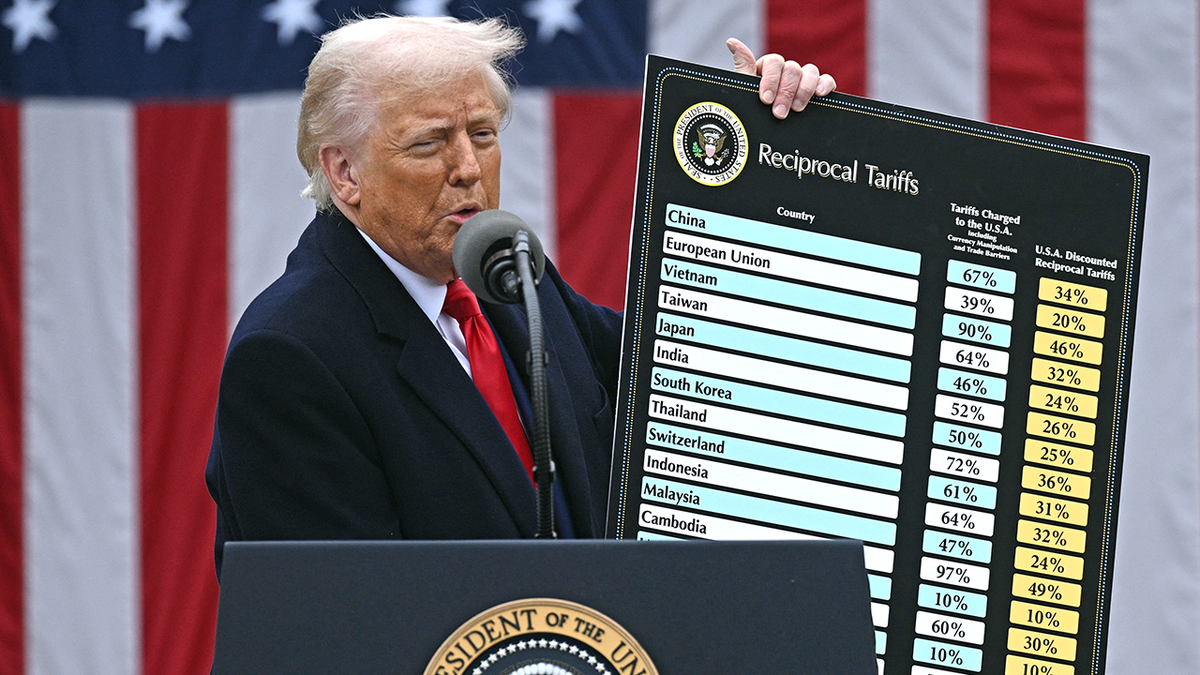
In a recent visit to Chippewa Falls, Wisconsin, President Donald Trump engaged with local agricultural stakeholders to discuss the economic pressures facing the sector. The visit, which underscored the ongoing dialogue between the administration and the American farming community, highlighted both the political significance of the region and the complexities of current trade and economic policies. As the administration continues to navigate the impact of tariffs and fluctuating market prices, the event provided a platform for the President to address these concerns directly with those on the front lines of the industry.
During the event, President Trump engaged in a broad discussion regarding the state of the agricultural economy. While addressing the crowd, he noted his presence in the region, remarking that he could have otherwise been at home watching television. This comment, delivered in his characteristic off-the-cuff style, served to emphasize the personal effort involved in his outreach to rural voters, even as the administration maintains a focus on broader national policy objectives. The visit occurred amidst a backdrop of complex financial forecasts for the U.S. Farm sector, which remains a focal point for both domestic policy and international trade negotiations.
Economic Pressures and Agricultural Policy
The agricultural sector has faced significant headwinds in recent years, characterized by high input costs and the ripple effects of international trade policies. Farmers in Wisconsin and across the Midwest have been particularly attentive to how federal trade strategies—including the imposition of tariffs—influence their ability to export goods and maintain profitability. According to data provided by the U.S. Department of Agriculture (USDA), export markets remain a critical component of the domestic agricultural economy, and any shifts in trade relations are monitored closely by producers and industry groups alike.
The President’s pitch to farmers focused on his administration’s commitment to prioritizing the interests of American producers. By engaging directly with the community in Chippewa Falls, the administration aims to reinforce its support base while addressing the specific grievances of those who feel the weight of current economic conditions. However, the intersection of political rhetoric and economic reality remains a subject of intense debate among agricultural economists and policy analysts. While some supporters point to the administration’s efforts to secure new trade agreements, others emphasize the persistent challenges posed by global market volatility and domestic inflation.
The Role of Rural Outreach
The decision to hold events in regions like Chippewa Falls is part of a broader strategy to maintain a direct connection with voters in key battleground states. For the President, these visits serve as a reminder of his campaign promises to champion the “forgotten” parts of the country. By contrasting the atmosphere of a rural campaign stop with his life at the White House—where he referenced the “beautiful fountains” as a familiar sight—the President sought to frame his travel as a necessary and deliberate choice to listen to the concerns of everyday Americans.
This approach is consistent with the administration’s long-standing emphasis on populist themes. By positioning himself as a leader who is willing to leave the comforts of Washington to engage with constituents, the President reinforces a narrative of accessibility. For the farmers in attendance, the event provided an opportunity to voice their concerns regarding land management, commodity pricing, and the long-term sustainability of family-owned operations. These issues are expected to remain central to the political discourse as the administration continues to shape its official policy agenda regarding domestic production and infrastructure.
What Happens Next
As the administration moves forward, the focus will likely remain on the implementation of policies designed to support the agricultural sector while managing the broader economic landscape. Stakeholders are encouraged to monitor official updates through the USDA Newsroom for the latest information on federal grants, trade updates, and agricultural policy shifts. Further, the upcoming legislative sessions will provide additional clarity on how the administration intends to address concerns raised during these recent community visits.
We invite our readers to share their perspectives on these developments in the comments section below. How do you believe current trade policies are affecting the agricultural sector in your region? Join the conversation and stay tuned to World Today Journal for continued coverage of these and other significant political developments as they unfold.
Keep reading