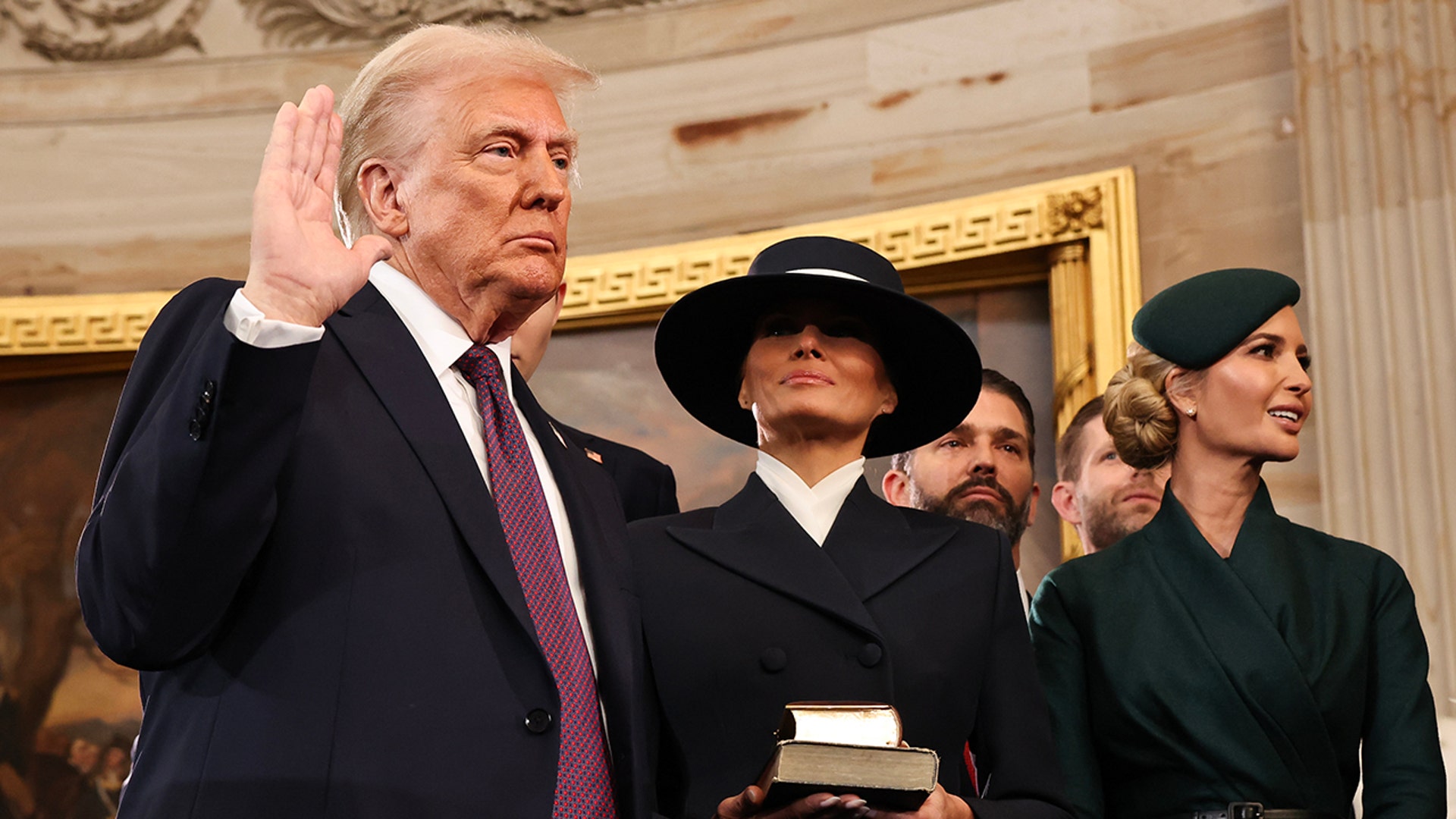
The U.S. and Iran have offered fundamentally opposing accounts of their latest nuclear negotiations, deepening uncertainty over whether any meaningful breakthrough has occurred in efforts to revive the 2015 Iran nuclear deal. While American officials insist Tehran has agreed to “the highest level” of inspections, Iranian diplomats have categorically denied that detailed discussions on the nuclear program took place during recent talks. The divergence in narratives underscores the fragile state of diplomatic efforts to prevent a potential nuclear standoff in the region.
According to the State Department, U.S. officials have been engaged in indirect negotiations with Iranian counterparts since early April, focusing on mutual steps to restore the Joint Comprehensive Plan of Action (JCPOA). However, Iranian Foreign Ministry spokesman Nasser Kanani told reporters on Tuesday that “there were no detailed discussions on the nuclear issue” during the latest round of talks. The conflicting statements come as both sides face mounting international pressure to avoid further escalation in tensions that have persisted since the U.S. withdrew from the JCPOA in 2018.
This latest clash of narratives follows a pattern of misaligned expectations that has characterized U.S.-Iran relations for years. The Biden administration has repeatedly emphasized its willingness to return to the JCPOA if Iran demonstrates a genuine commitment to curbing its nuclear activities, while Iranian officials have insisted on preconditions, including the lifting of sanctions and guarantees against future U.S. withdrawal. The current stalemate raises questions about whether either side is prepared to make the concessions necessary to revive the agreement.
What Happened in the Latest Talks?
Diplomatic sources familiar with the negotiations—speaking on condition of anonymity—indicate that the U.S. delegation presented a proposal for expanded inspections of Iranian nuclear facilities, including potential access to military sites that have long been a point of contention. The Iranian side, however, has historically resisted such measures, arguing they violate the sovereignty of the Islamic Republic.
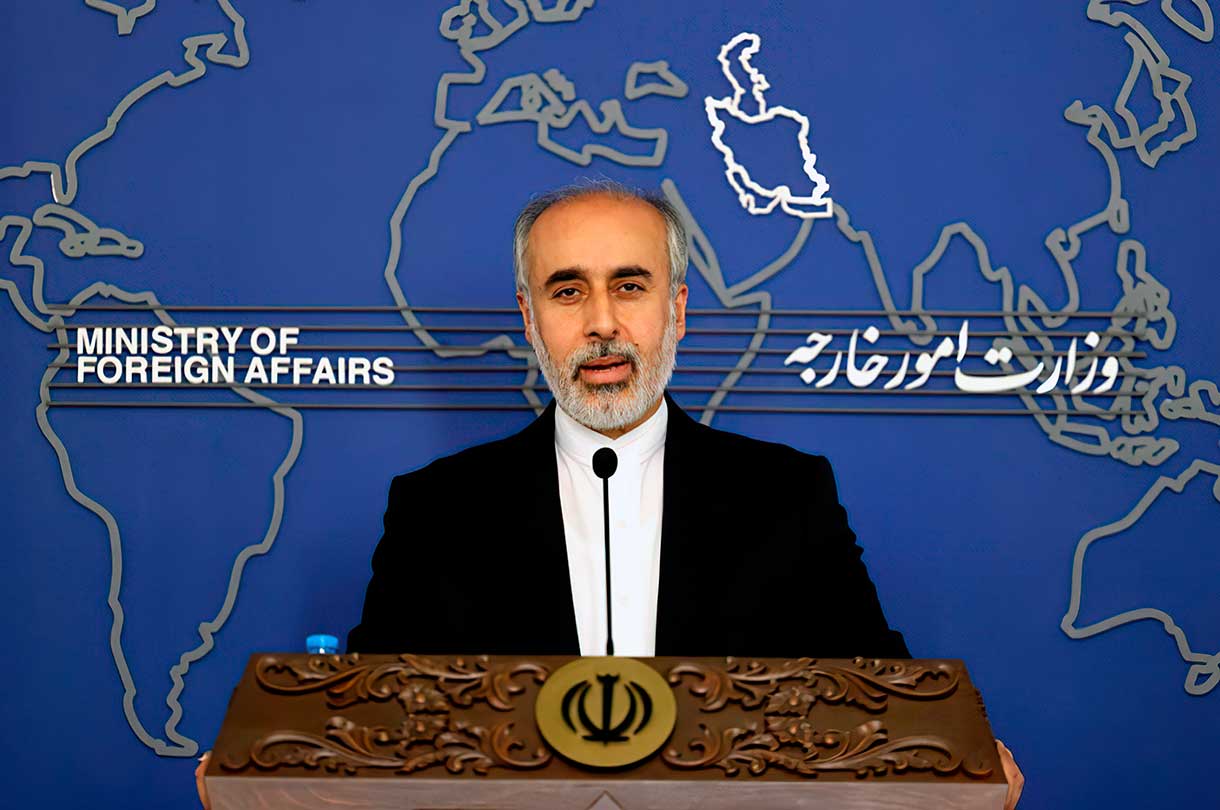
In a statement released on Tuesday, the Iranian Foreign Ministry reiterated its position that “any discussion about the nuclear issue must be based on the full implementation of the JCPOA by the other side.” The ministry did not specify which “other side” it was referring to, though analysts suggest it includes both the U.S. and its European allies, who have struggled to maintain the deal’s framework in the absence of American participation.
Meanwhile, a senior U.S. official, speaking to Reuters on Tuesday, confirmed that American negotiators had proposed “unprecedented levels of transparency” as part of a potential deal. The official, who was not authorized to speak publicly, described the Iranian response as “non-committal” and suggested that Tehran may be seeking to delay negotiations indefinitely.
Why the Discrepancy in Narratives?
The gap between the two sides’ accounts reflects deeper strategic differences. The U.S. approach, as outlined by the Biden administration, centers on a “phased” return to the JCPOA, with inspections and verification measures taking precedence over sanctions relief. Iran, however, has insisted on a simultaneous lifting of all sanctions as a precondition for any meaningful negotiations.
According to a report from the International Atomic Energy Agency (IAEA), Iran has continued to expand its nuclear program despite repeated calls for restraint. The agency’s latest report, published in March, noted that Iran’s stockpile of enriched uranium had increased to levels far beyond those permitted under the JCPOA. This development has heightened concerns among Western powers that Tehran may be moving toward the development of a nuclear weapon, though Iranian officials maintain that their program remains strictly for peaceful purposes.
Analysts suggest that the current impasse could be exacerbated by domestic political pressures in both countries. In the U.S., hardline factions within Congress have resisted any move to re-engage with Iran, while in Tehran, Supreme Leader Ayatollah Ali Khamenei has repeatedly warned against concessions that could be perceived as weakness. The result is a diplomatic environment where even minor breakthroughs are met with skepticism and misinformation.
What Are the Implications for the JCPOA?
The JCPOA, formally known as the Iran Nuclear Deal, was signed in 2015 by Iran, the U.S., China, Russia, France, Britain, and Germany. The agreement limited Iran’s nuclear program in exchange for the lifting of international sanctions. However, the deal collapsed in 2018 when then-President Donald Trump withdrew the U.S. from the accord and reimposed sanctions.
Since then, Iran has gradually rolled back its commitments under the JCPOA, including enriching uranium to higher levels and increasing its stockpile. The IAEA has repeatedly warned that Iran’s actions could lead to a nuclear arms race in the Middle East, a scenario that would pose significant risks to regional stability.
If the current negotiations fail to produce a breakthrough, the consequences could be severe. The U.S. and its allies may face increased pressure to consider military options, while Iran could accelerate its nuclear program, making it even more difficult to reverse course. The situation also risks drawing in other regional powers, such as Israel and Saudi Arabia, who have long viewed Iran’s nuclear ambitions as a direct threat to their security.
What Happens Next?
With no immediate signs of a resolution, the next critical checkpoint will likely be the IAEA’s next report on Iran’s nuclear activities, expected in early June. The agency’s findings could either provide a basis for renewed negotiations or further complicate efforts to revive the JCPOA.

In the meantime, both sides appear to be engaged in a game of brinkmanship. The U.S. has signaled that it is prepared to impose additional sanctions if Iran does not demonstrate a willingness to negotiate in good faith. Iran, for its part, has warned that any further sanctions would be met with “stronger reactions,” though officials have not specified what those reactions might entail.
For now, the focus remains on indirect talks, with mediators from the European Union and other international actors attempting to bridge the gap between the two sides. However, without a clear signal of flexibility from either Washington or Tehran, the prospects for a swift resolution remain slim.
Key Takeaways
- Clashing Narratives: The U.S. claims Iran agreed to “highest level” inspections, while Iran denies any detailed nuclear discussions took place.
- Stalled Negotiations: Both sides remain far apart on key issues, including inspections and sanctions relief.
- IAEA Monitoring: The next critical report from the IAEA in early June could shape future diplomatic efforts.
- Regional Risks: Failure to revive the JCPOA could escalate tensions, drawing in Israel and Saudi Arabia.
- Domestic Pressures: Political factions in both the U.S. and Iran are resisting concessions, complicating negotiations.
As the situation evolves, readers are encouraged to follow updates from the IAEA and official statements from the U.S. State Department and Iranian Foreign Ministry. For those seeking further context, the U.S. Department of State and the International Atomic Energy Agency provide regular briefings on nuclear diplomacy.
This story will be updated as new developments emerge. In the meantime, we welcome your insights and questions in the comments below.