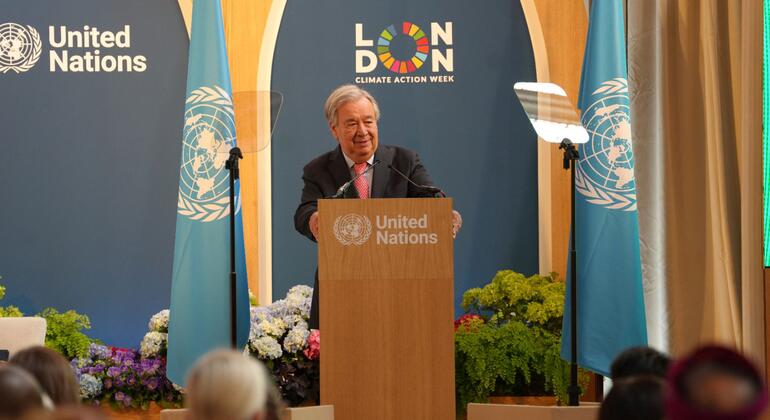
UN Secretary-General António Guterres has released a detailed blueprint for the global clean energy transition, calling on nations to phase out fossil fuels within a decade to prevent catastrophic climate impacts. The plan, announced during a heatwave gripping Europe, outlines three pillars: tripling renewable energy capacity, ending fossil fuel subsidies, and mobilizing $4 trillion annually in climate finance by 2030. According to the UN, current trajectories risk locking in temperature rises of 2.5–2.9°C—far above the Paris Agreement’s 1.5°C target.
The blueprint, published in a report titled “Global Climate Action for the Decade of Delivery”, comes as extreme weather events—including record-breaking heatwaves in Europe, North America, and Asia—intensify pressure on governments to act. Guterres warned that without immediate action, “the next decade will be decisive for the future of humanity.” The plan is supported by 130 countries, including the EU, Canada, and a growing number of developing nations, though major fossil fuel producers like the U.S. and Saudi Arabia have not yet committed to the full timeline.
Key to the proposal is a UN-led “Global Stocktake” in 2024, where nations will be required to submit updated Nationally Determined Contributions (NDCs) with binding timelines for fossil fuel phase-outs. The International Energy Agency (IEA) estimates that to meet the 1.5°C goal, global coal use must halve by 2030 and oil and gas production must decline by 60%. Yet, as of 2023, fossil fuel subsidies totaled $7 trillion globally—more than double climate finance investments.
What the UN’s Clean Energy Transition Blueprint Actually Calls For
The plan is structured around three urgent priorities:
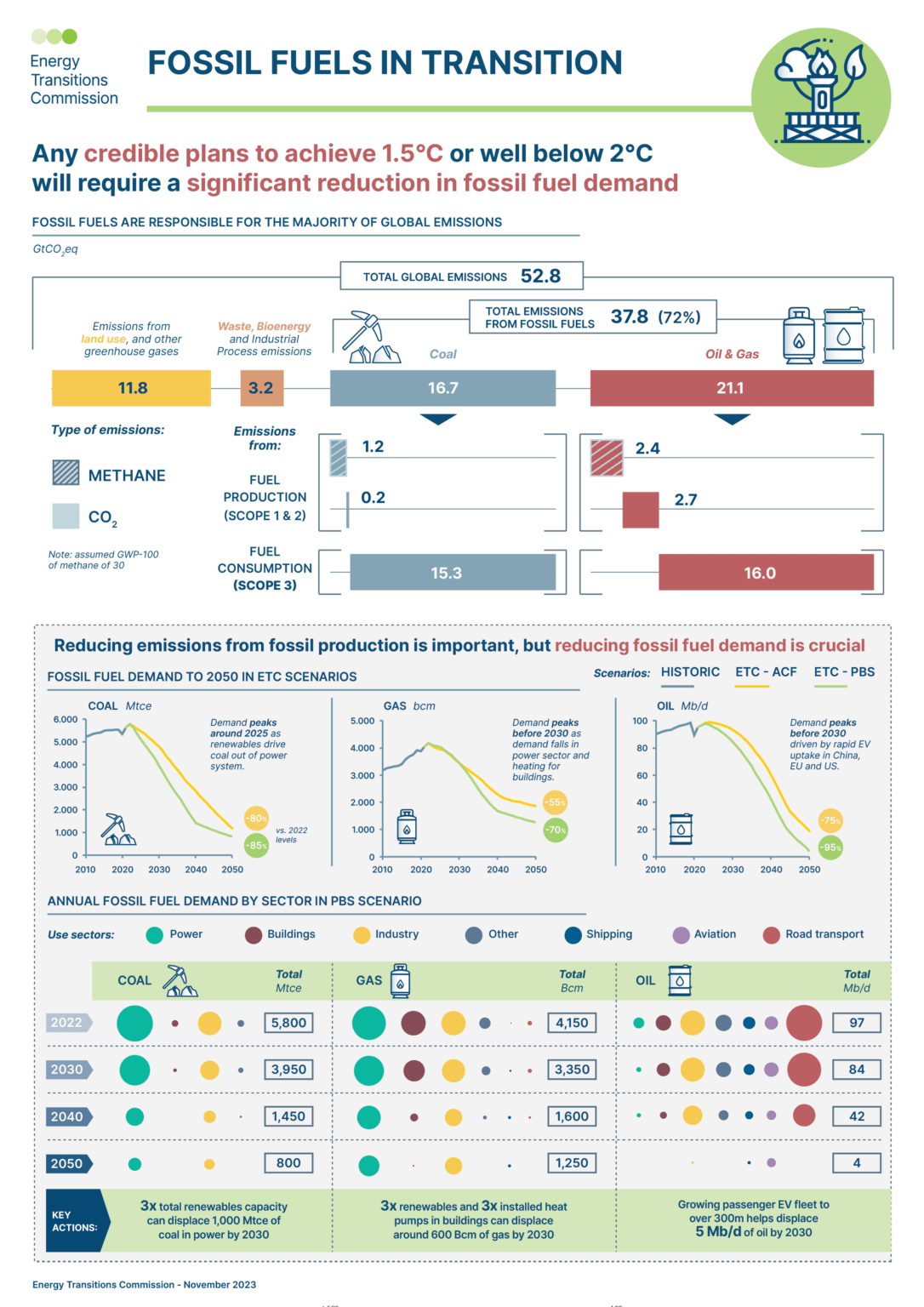
- Tripling renewable energy capacity by 2030, with a focus on solar, wind, and hydroelectric power. The IEA reports that renewables accounted for just 30% of global electricity in 2023, up from 20% in 2010, but expansion must accelerate tenfold to meet targets.
- Ending all fossil fuel subsidies by 2025, redirecting an estimated $7 trillion annually to green infrastructure. The G20 alone spent $700 billion on fossil fuel subsidies in 2022, according to the OECD.
- Mobilizing $4 trillion in climate finance per year by 2030, with wealthy nations fulfilling their 2009 pledge to provide $100 billion annually to developing countries. As of 2023, only $83 billion was mobilized, falling short by $17 billion.
Guterres emphasized that the plan is not optional: “The window for action is closing fast. We are at a crossroads, and the path we choose now will determine whether we leave a livable planet for future generations.” The blueprint also includes a “Climate Solidarity Pact”, urging developed nations to lead by example in reducing emissions while supporting vulnerable regions with adaptation funds.
Why This Matters: The Science Behind the 1.5°C Target
The UN’s urgency stems from recent scientific findings. A 2023 report by the Intergovernmental Panel on Climate Change (IPCC) warned that every 0.1°C increase in global temperatures exacerbates extreme weather events. For example:
- At 1.5°C, heatwaves like the 2023 European summer—where temperatures exceeded 40°C for weeks—could occur every 5–10 years.
- At 2°C, such events would become annual, with deadly impacts on agriculture, water supplies, and public health.
- Beyond 2.5°C, irreversible tipping points—such as the collapse of the Greenland ice sheet—could trigger runaway climate feedback loops.
The UN’s blueprint directly responds to these risks. “We are not just talking about avoiding disaster,” said Guterres. “We are talking about securing the future of human civilization.” The plan aligns with the Paris Agreement, which requires nations to submit updated climate plans every five years. The next global stocktake in 2024 will be critical in determining whether the world is on track—or falling further behind.
Who’s On Board—and Who’s Resisting?
Support for the blueprint is growing, but resistance remains significant:
- Supporters: The European Union, Canada, and 120 developing nations have endorsed the plan’s core principles. The EU, for instance, has committed to a 55% emissions cut by 2030 and a full phase-out of coal by 2030.
- Holdouts: The U.S., China, and Saudi Arabia have not yet pledged to the full timeline. The U.S. remains the world’s largest oil producer, while China—though investing heavily in renewables—still relies on coal for 55% of its energy. Saudi Arabia, the world’s top oil exporter, has resisted binding fossil fuel phase-out commitments.
- Corporate pushback: Fossil fuel companies, including ExxonMobil and Shell, have lobbied against accelerated phase-outs, arguing that rapid transitions would disrupt energy security. However, a 2023 IEA report found that a clean energy transition could create 42 million jobs by 2050.
The UN’s blueprint includes a mechanism to hold laggard nations accountable, though enforcement remains voluntary. “This is not about punishment,” said Guterres. “It’s about partnership and shared responsibility.”
What Happens Next: The 2024 Global Stocktake and Beyond
The next major checkpoint is the 2024 Global Stocktake, where nations will present updated NDCs. The UN has set three key milestones:
- By June 2024: All countries must submit revised NDCs with fossil fuel phase-out timelines.
- By COP29 (November 2024): A new climate finance agreement must be finalized, ensuring wealthy nations meet their $100 billion annual pledge.
- By 2025: Fossil fuel subsidies must be eliminated, with funds redirected to renewables and adaptation projects.
Guterres has also called for a dedicated “Loss and Damage” fund to compensate vulnerable nations for climate-related disasters. As of 2023, only $350 million has been pledged—far below the estimated $400 billion needed annually.
How You Can Stay Updated: Official Resources and Next Steps
For readers seeking further details, the following resources provide authoritative updates:
- UN Climate Action Portal – Official updates on the Global Stocktake and NDC submissions.
- International Energy Agency (IEA) – Data on renewable energy expansion and fossil fuel trends.
- UNFCCC Process – Timelines for COP29 and the Loss and Damage Fund.
- OECD Fossil Fuel Subsidy Tracker – Real-time data on global subsidies.
The UN’s blueprint is a turning point in global climate diplomacy. Whether it succeeds will depend on political will, corporate accountability, and public pressure. As Guterres stated, “The time for half-measures is over. The time for action is now.”
What’s next? The 2024 Global Stocktake begins in June, with COP29 scheduled for November. The UN will release a progress report in September 2024, assessing whether nations are on track to meet the blueprint’s targets.
We welcome your thoughts on this critical issue. Share your perspective or spread the word to help keep the conversation going.
Worth a look
- Nicotine Pouches and Vaping: The Dangerous Illusion of “Safer” Smoking Alternatives
- Pet Insurance Boom in Germany: Contracts More Than Double
- Deadly Houthi Red Sea Attack: 3 Crew Members Killed on Cargo Ship (archyworldys.com)
- YouTube Premium Hit With Class Action Lawsuit Over ‘Ad-Free’ Claims (archynewsy.com)