
As the international community monitors shifting diplomatic currents, the discourse surrounding a potential agreement with Iran has intensified. President Donald Trump has recently characterized the status of such a deal as being “largely negotiated,” signaling a complex phase in ongoing international relations. However, this optimism is tempered by caution from senior officials within his administration, who emphasize the significant hurdles that remain before any formal arrangement can be finalized.
The situation remains fluid, with U.S. Secretary of State Marco Rubio providing a more measured perspective on the timeline. While the prospect of a breakthrough is being discussed, Rubio has cautioned that there are “significant” remaining issues that must be addressed, suggesting that a resolution is not as imminent as some observers might hope. This dichotomy between the President’s messaging and the State Department’s technical assessment highlights the high-stakes nature of these negotiations, which carry profound implications for regional stability and global energy markets.
Navigating Diplomatic Complexity and Strategic Patience
The current diplomatic strategy appears to be one of calculated deliberation. President Trump has indicated an unwillingness to rush the process, prioritizing a comprehensive outcome over a swift, potentially incomplete agreement. This approach reflects a broader administration policy of maintaining pressure while keeping channels for dialogue open. For international observers and market analysts, the core question remains whether the administration will prioritize a rapid de-escalation or a more enduring, long-term framework that addresses broader security concerns.
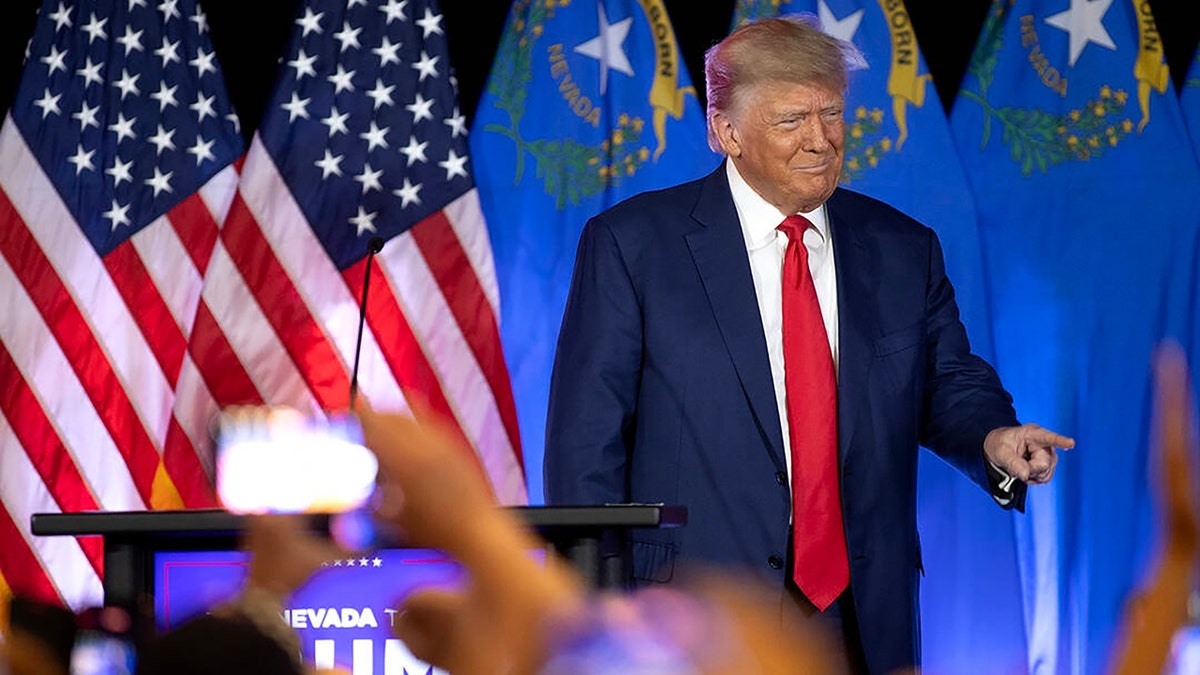
Secretary of State Marco Rubio has been central to articulating the administration’s stance on the ground. His recent diplomatic engagements, including his mission to India, have served as a platform to reiterate that the United States is not seeking a declaration of war, while simultaneously affirming that the U.S. Maintains the capacity to respond decisively if provoked. This “peace through strength” posture is designed to deter aggression while providing space for negotiators to work through the remaining technical and political disagreements that prevent an immediate signing.
The complexity of these talks is compounded by the involvement of various stakeholders, each with distinct security interests. As the administration continues its review of the proposed terms, the focus remains on ensuring that any deal is robust enough to withstand future scrutiny. The administration has not provided a specific date for a final signing, maintaining that the quality of the agreement takes precedence over speed.
Impact on Global Markets and Energy Stability
The uncertainty surrounding these high-level negotiations has had a palpable effect on global financial indices, particularly within the energy sector. Market participants are closely tracking every public statement from the White House and the State Department, as any shift in the status of the negotiations typically triggers immediate volatility in oil prices. Analysts note that the market is currently pricing in a “wait-and-see” approach, reflecting the persistent risk that the talks could still face significant setbacks or total collapse.
For the average reader, these developments are not merely academic. Global energy prices influence inflation rates, transport costs, and broader economic stability across Europe and Asia. As the U.S. Continues its diplomatic efforts, the global market remains sensitive to any signals that suggest a breakthrough—or, conversely, a breakdown—in communication between Washington and Tehran. The administration’s emphasis on not rushing the deal is, in part, a response to the need to ensure that market-moving decisions are based on sustainable geopolitical foundations.
Looking Ahead: The Path to Resolution
As we head into the coming weeks, all eyes will be on the official briefings from the U.S. Department of State and the White House. The next critical checkpoint will likely be the next series of high-level diplomatic briefings, where officials may provide further clarity on the specific sticking points currently being addressed. Until then, the administration’s stance remains one of cautious optimism, tempered by a commitment to national security interests that transcend the immediate pressure for a deal.

We will continue to provide updates as official statements are released. For those seeking the most accurate and up-to-date information, we encourage readers to monitor the official U.S. Department of State press briefings and the White House newsroom, which serve as the primary sources for all administrative policy shifts and diplomatic announcements.
How do you view the balance between diplomatic patience and the need for urgent resolution in these negotiations? We invite our readers to share their perspectives in the comments section below and to share this report to keep the conversation going.
Worth a look