
NATO Secretary General Mark Rutte is scheduled to arrive in Washington on Wednesday for high-stakes discussions with President Donald Trump, marking a critical juncture for the trans-Atlantic alliance as the administration signals a potential shift in U.S. military commitments. The meeting follows a series of public confrontations between the Trump administration and European leaders, driven by disputes over defense spending and support for U.S. military objectives in the Middle East.
The core of the current tension lies in the administration’s demand for a more transactional approach to the North Atlantic Treaty Organization. According to official statements from the White House and recent remarks by cabinet members, the U.S. is questioning the ongoing financial and logistical burden of underwriting European security while key allies remain reluctant to align with U.S. policies regarding Iran. This friction has moved beyond standard diplomatic discourse, with administration officials explicitly linking the continued U.S. military presence in specific European countries to those nations’ willingness to meet defense spending targets and provide operational support.
Shifting Expectations for NATO Contributions
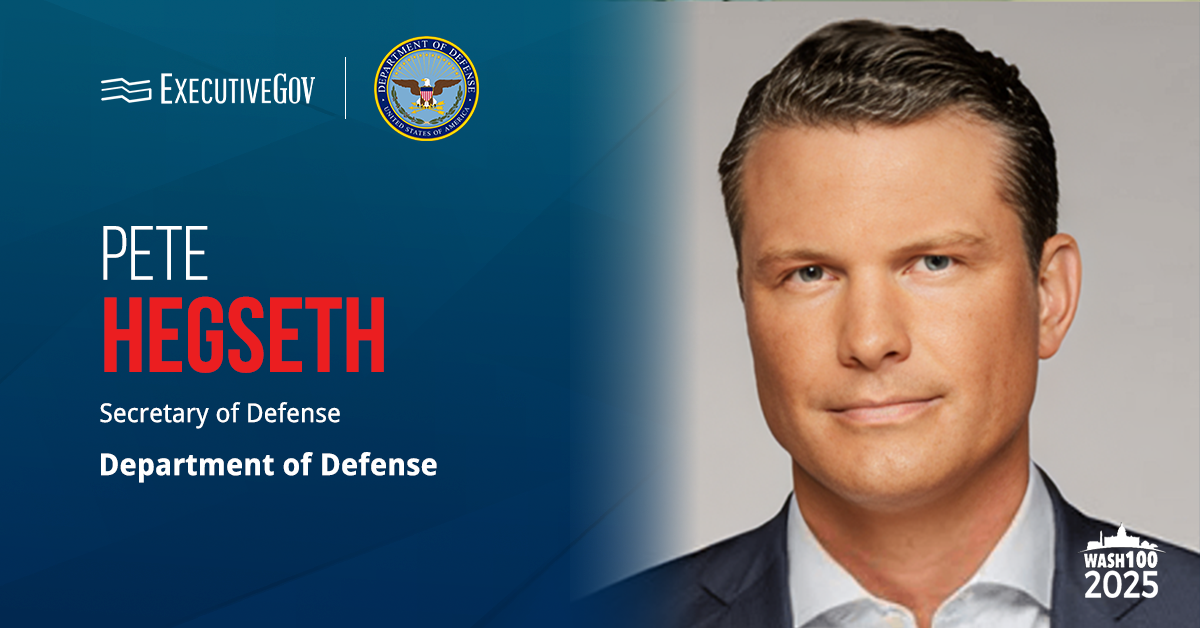
The U.S. Department of Defense has initiated a policy review aimed at recalibrating its military footprint across Europe. Defense Secretary Pete Hegseth recently informed NATO defense ministers that the administration intends to conduct a six-month survey of member nations to evaluate their financial contributions to the alliance. The results of this assessment are expected to dictate future U.S. force posture in those regions, with the administration suggesting that countries failing to meet established spending benchmarks may face a reduction in American military personnel and equipment.

This approach aligns with a broader “two-way street” doctrine advocated by the current administration. Secretary of State Marco Rubio has previously questioned the necessity of the current NATO structure, specifically citing instances where countries have denied the U.S. access to military bases for strategic operations. The administration’s position is that the security guarantees provided by the U.S. are contingent upon reciprocal cooperation, a sentiment that has been echoed repeatedly in official briefings throughout the spring and early summer of this year.
Diplomatic Friction and Rhetorical Escalation
The recent cooling of relations between the U.S. and several European powers has been characterized by public disagreements and sharp exchanges. President Trump has utilized social media platforms to criticize the logistical support provided by allies, specifically highlighting the denial of landing rights for U.S. aircraft in Italy. These public critiques have occurred alongside a notable shift in the president’s rhetoric, where he has contrasted his stance on European allies with a more conciliatory tone toward leaders such as China’s Xi Jinping and India’s Narendra Modi.
The diplomatic environment has been further complicated by the president’s commentary on the internal political affairs of key allies. These developments have drawn scrutiny from international observers, who note that the frequency and intensity of these exchanges are straining the traditional consensus-based decision-making process within NATO. While the alliance has historically navigated internal policy disagreements through quiet diplomacy, the current administration’s preference for public pressure represents a departure from standard practice.
The Road to the White House Meeting
As Mark Rutte prepares for Wednesday’s meeting, the primary objective remains the stabilization of the trans-Atlantic relationship. Rutte, who assumed the role of Secretary General with a reputation for adept diplomatic maneuvering, faces the challenge of addressing the administration’s transactional demands while maintaining the cohesion of the 32-member alliance. The meeting is expected to cover the administration’s demands for increased defense spending and the resolution of logistical disputes regarding base access.
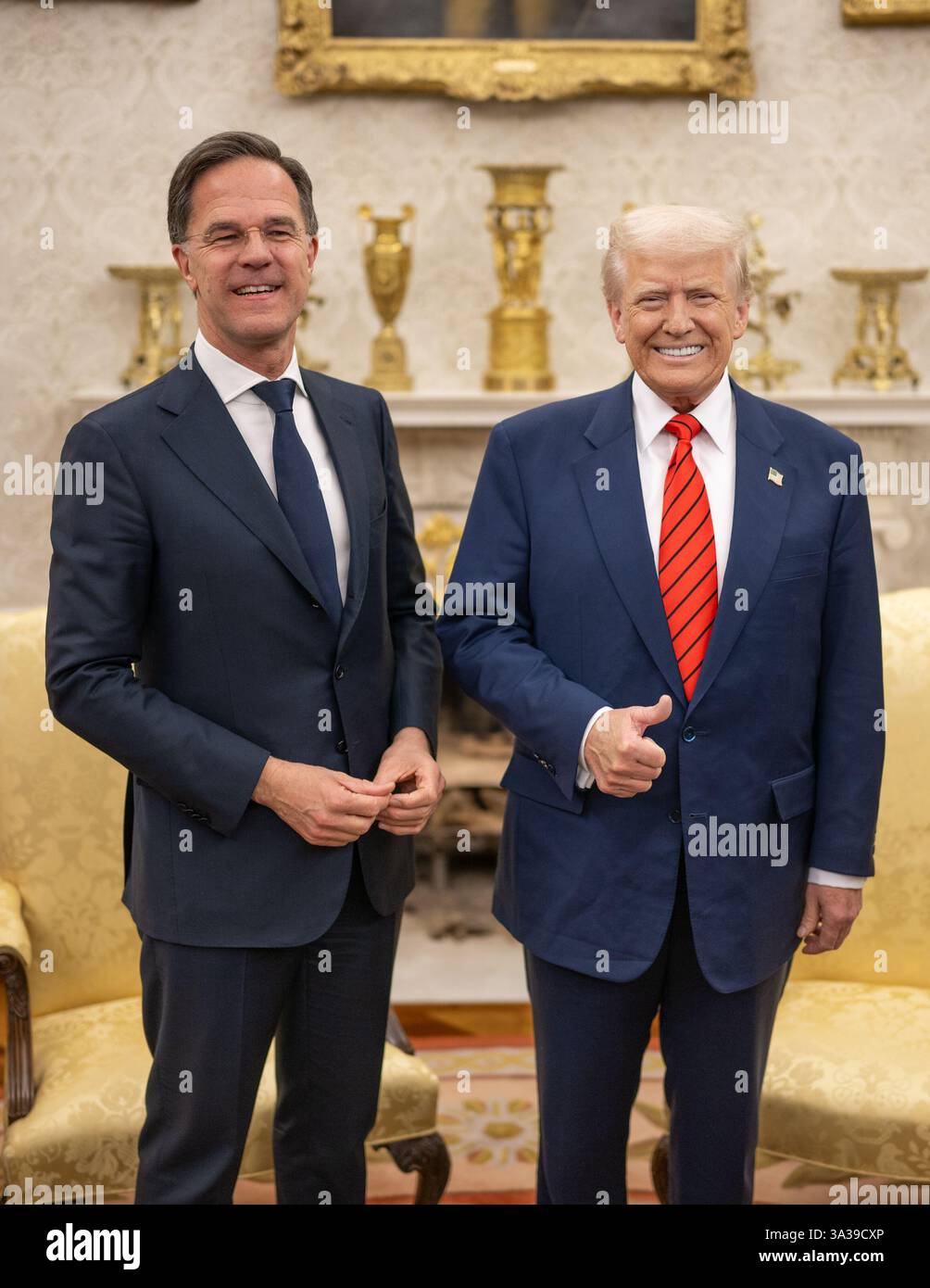
The outcome of the Washington summit will likely serve as a bellwether for the future of the alliance. Observers are monitoring whether the administration will proceed with its threatened force reductions or if the meeting will result in a new framework for burden-sharing. The White House has not yet released a formal agenda for the talks, but officials indicated that the discussion will focus on the “logistical inconveniences” the U.S. has faced in its recent military operations. The international community expects a statement from the alliance following the conclusion of the talks on Wednesday.
This is a developing story. We invite our readers to share their perspectives on the future of trans-Atlantic security in the comments section below.