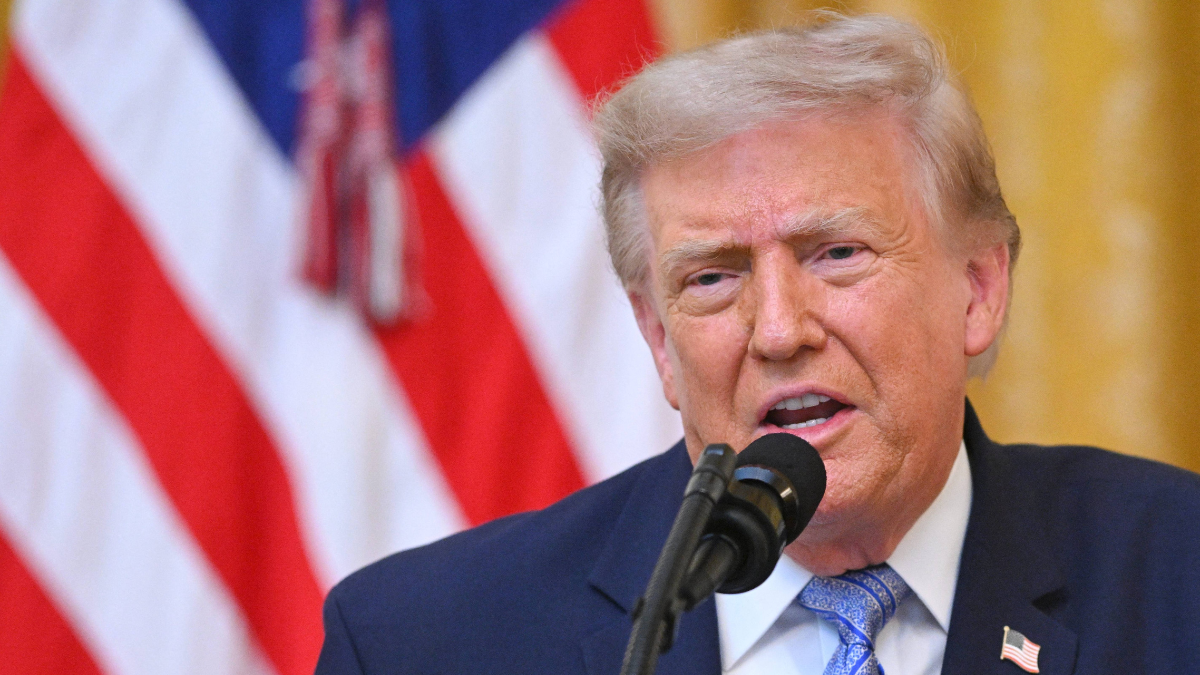
President Donald Trump faced direct questioning regarding the timeline and objectives of the ongoing U.S. military operation in Iran during a press engagement at Joint Base Andrews in Maryland. The exchange, which occurred as the president returned from the World Cup final in New Jersey, highlighted growing friction between the administration’s stated goals and the reality of a conflict that has persisted for nearly five months.
When pressed by reporters about why the mission—initially characterized by the administration as a “four or five-week” operation—remained active months later, the president defended the expanded scope of the engagement. “This is a far bigger job that we’re doing,” the president stated. “We were doing a little job, stopping them from having a certain capability. Now, we’re just ending it.” He further indicated that the primary objective remains the prevention of Iran acquiring nuclear weapons capabilities.
Reporter: You said the war would be 4-5 weeks.Trump: This is a much bigger job we’re doing. We were doing a little job stopping them from having a certain capability. Now, we’re just ending it. pic.twitter.com/2TRz4Bb9a8— Acyn (@Acyn) July 20, 2026
Military Objectives and the Iran Conflict Timeline
The conflict, which began on February 28 following U.S. strikes on Iranian military sites, has seen a steady escalation. While the president attempted to clarify the current timeline, he appeared to contradict his previous remarks by suggesting the operation lasted “a week-and-a-half, two weeks” before abruptly ending the press availability and departing toward Marine One. The administration maintains that the mission is focused on the “denuclearization of Iran,” a goal the president has insisted is only achievable through negotiations conducted from a position of strength.
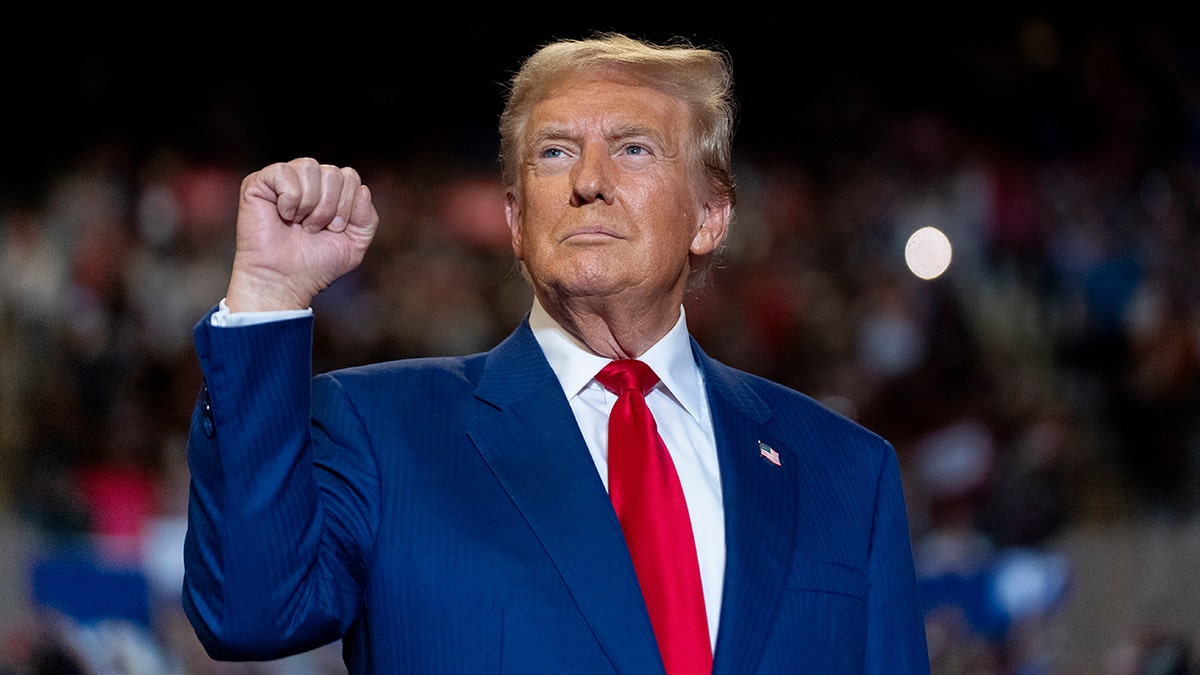
According to U.S. Central Command, the conflict has involved repeated strikes near the Strait of Hormuz, with Iran responding through missile attacks on U.S. bases located in Jordan, Bahrain, and Kuwait. Despite the president’s assertion that Iran has been “very, very badly damaged” and has “lost everything, almost, militarily,” the Iranian government has continued to engage in hostilities, having resumed hostilities in early July.
Human Cost and Mounting Casualties
The human toll of the conflict has become a focal point of public and media scrutiny. During the briefing, reporters questioned the administration regarding the deaths of three additional U.S. service members, which brought the total number of American fatalities in the conflict to 17. The president expressed regret, stating, “We feel very badly. But those people, those great patriots, are out there fighting [so] that Iran cannot have a nuclear weapon.”
The scale of the mobilization on the Iranian side also remains significant. In April, Iranian authorities reported that approximately 14 million people had volunteered to fight in response to the escalating threats against their national infrastructure. This massive public response underscores the depth of the regional instability that has followed the initial February military intervention.
Infrastructure Threats and International Law
Concerns regarding the conduct of the war have intensified following the president’s public warnings that U.S. forces could target Iranian civilian infrastructure, including power plants and bridges. In comments made to Fox News, the president stated, “Next week it gets really bad for them. We’re going to knock out all their power plants. We’re going to knock out all their bridges unless they get to the table and negotiate.”
These threats have raised questions regarding compliance with the Geneva Conventions, specifically the protocols that prohibit attacks on civilian infrastructure essential for civilian survival. While the administration continues to dismiss Iranian denials regarding their nuclear program—with the president characterizing their statements as “a lie”—the international community remains focused on the potential humanitarian consequences of targeting critical civilian infrastructure.
As the situation evolves, observers are monitoring for any signs of a shift toward formal negotiations or further military escalation.