The United Nations General Assembly amended a longstanding rule on June 30, 2026, aimed at addressing the organization’s deepening liquidity crisis, yet the world body continues to face severe funding problems, according to Human Rights Watch. The funding shortfall has prompted warnings that critical humanitarian and human rights operations worldwide are being forced to cut back.
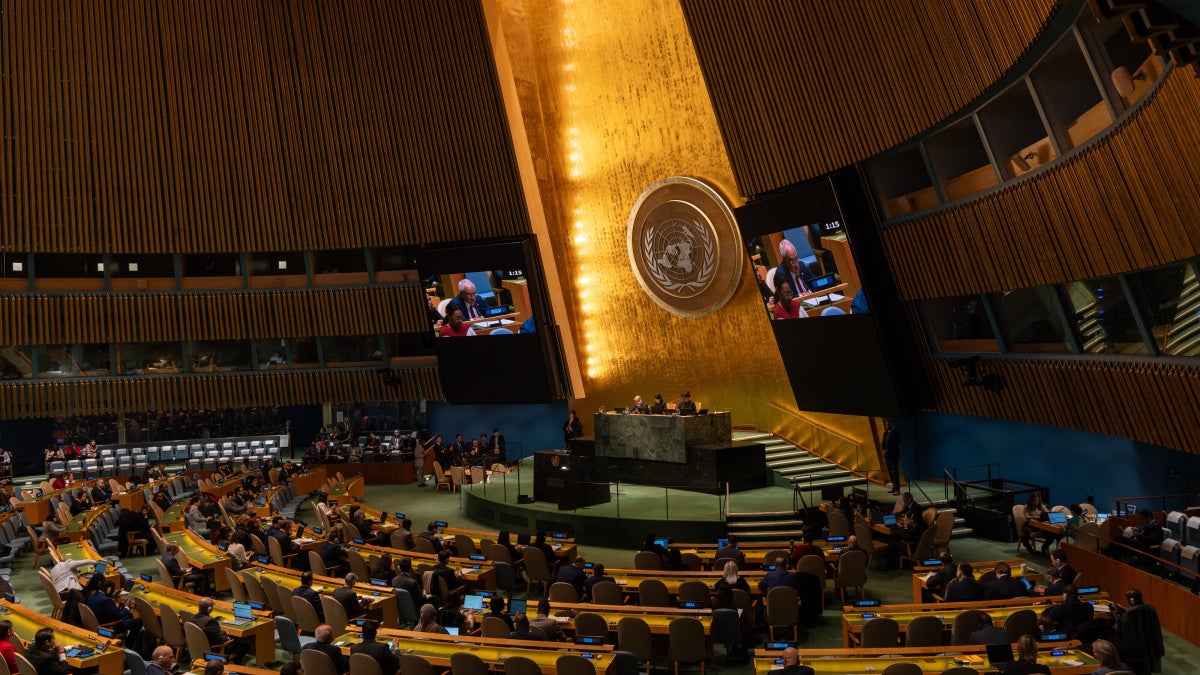
The United Nations General Assembly at UN Headquarters in New York City, January 15, 2026.
© 2026 Cristina Matuozzi/Sipa via AP Photo
The liquidity crisis stems from member states that haven’t paid or are late in paying their dues. While the United States and China are responsible for nearly half the funds that member countries are obligated to contribute to the UN, dozens of other countries also pay late or not at all. This delinquency affects the UN’s global human rights activities, as documented in analysis by Human Rights Watch.
The Impact of Unpaid Dues on Human Rights
The financial strain on the UN has tangible consequences for the organization’s field operations. According to Louis Charbonneau, UN director at Human Rights Watch, the failure of the US, China, and other governments to meet their financial commitments has forced the UN to cut back on critical human rights and humanitarian operations worldwide.
Accountability and the June 2026 Amendment
The June 30, 2026, amendment to the UN General Assembly rules represents an effort to ease the world body’s deepening liquidity crisis. However, severe funding problems remain.

Human Rights Watch has called on member states to explore new avenues to hold delinquent countries accountable for defaulting on their UN financial obligations. The organization argues that the UN needs the resources it needs to protect and promote human rights and save lives.
The Geopolitics of UN Funding
The financial status of the UN is intertwined with the contributions of member states. The reliance on contributors, particularly the United States and China, who are responsible for nearly half the funds that member countries are obligated to contribute, means that when these states—or other significant contributors—fall behind on payments, the UN system faces a liquidity crisis.