
Trump Walks Out of ‘Meet the Press’ Interview Amid Confrontation Over Election Claims
Donald Trump abruptly ended an interview on the NBC News program Meet the Press after host Kristen Welker challenged his assertions regarding the integrity of the 2020 presidential election. The confrontation, which centered on the lack of evidence for claims of a “rigged” election, resulted in the former president walking out before the segment could conclude.
The incident, which occurred during a high-stakes Sunday broadcast, highlights the escalating tension between the former president and mainstream media outlets. The clash was not merely a disagreement over policy but a fundamental dispute over the factual basis of political rhetoric, specifically concerning the legitimacy of the United States electoral process.
The Breakdown of the Sunday Interview
The interview began as a standard political inquiry into the former president’s platform and his views on current national security and economic issues. However, the tone shifted rapidly when the discussion turned toward the 2020 election results. As the interview progressed, Welker transitioned from general questioning to a more direct fact-checking approach, a move that appeared to trigger the abrupt exit.
Witnesses and viewers noted that the tension peaked when Welker pressed for specific, verifiable evidence to support the claim that the previous election had been compromised by widespread fraud. Rather than engaging with the specific challenges to his narrative, the former president chose to terminate the interaction. This walkout marks another instance in a long-standing pattern of the former president’s volatile relationship with traditional news organizations.
The abruptness of the departure left the broadcast in a state of visible disarray. For journalists, such moments are increasingly common as the line between political campaigning and news reporting blurs, and the pressure to address misinformation becomes a central component of the interview process.
Why the ‘Rigged Election’ Claims Sparked Conflict
At the core of the confrontation was the “rigged election” narrative, a cornerstone of the former president’s political identity. This claim posits that the 2020 election was subject to systemic fraud that altered the outcome. However, this narrative has been consistently met with resistance from judicial and administrative bodies.
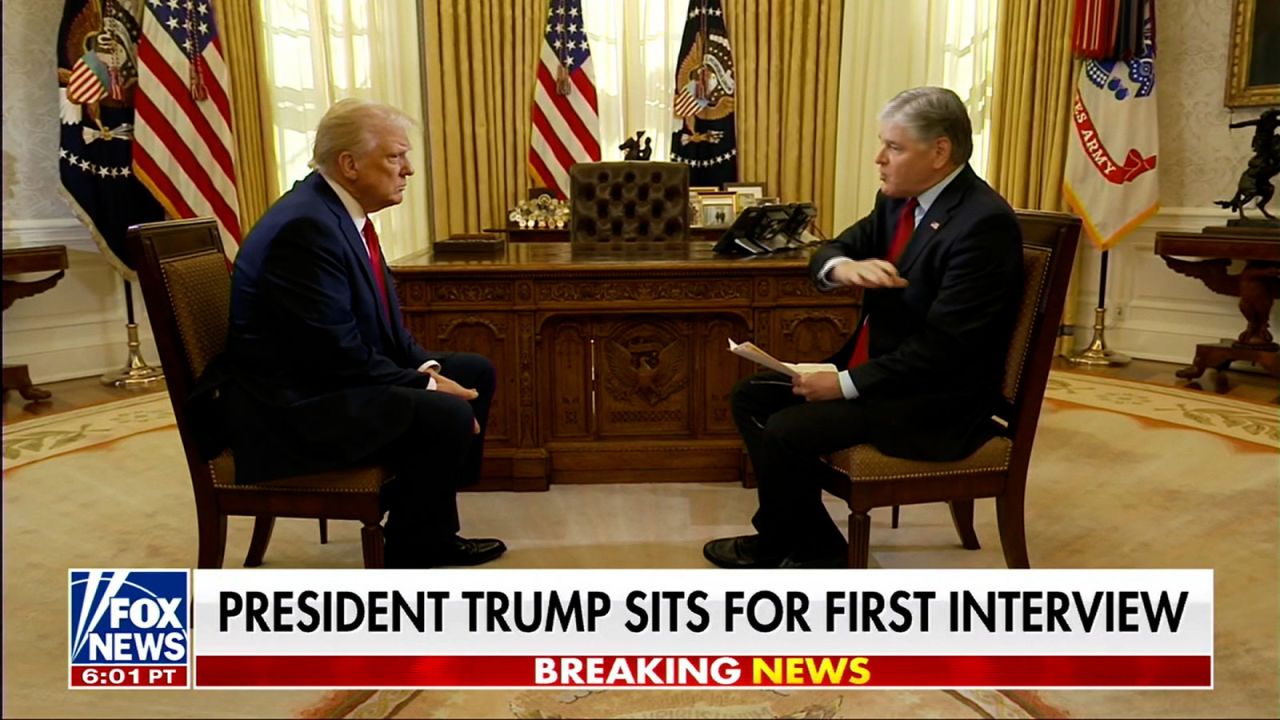
The conflict arose because the host’s role in modern political journalism has shifted toward an adversarial model of fact-checking. When Welker challenged the veracity of these claims, she was not merely asking for an opinion but was demanding a reconciliation between the former president’s rhetoric and the documented findings of election officials and the judiciary.
To provide context, it is essential to note that following the 2020 election, dozens of legal challenges were brought before various state and federal courts. According to official judicial records and subsequent investigations by election security agencies, no evidence of widespread fraud sufficient to change the election results was produced. This discrepancy between the political claim and the legal reality is precisely where the interview collapsed.
For the audience, the confrontation serves as a case study in the “post-truth” political era, where the disagreement is no longer about how to interpret facts, but whether certain facts exist at all. The interview’s failure to reach a conclusion reflects the difficulty of conducting traditional journalistic inquiries when one participant rejects the fundamental premises of the questioning.
The Implications for Political Media Relations
This walkout is more than a momentary media spectacle; it represents a deepening fracture in the relationship between political leaders and the press. As major news organizations move toward more aggressive fact-checking to combat misinformation, political figures are increasingly responding with avoidance or direct confrontation.

This shift has several significant consequences for the democratic process and public information:
- Fragmented Information Ecosystems: When high-profile figures refuse to engage with traditional media, they often pivot to alternative platforms where their claims can go unchallenged, further polarizing the electorate.
- The Evolution of Journalistic Standards: Hosts like Welker are navigating a new mandate where “neutrality” is being redefined. The question is no longer just about providing a platform for all sides, but about whether providing a platform for unverified claims constitutes a failure of journalistic duty.
- Decreased Predictability in Media Cycles: The unpredictability of these interactions makes it more difficult for newsrooms to manage live broadcasts and plan comprehensive coverage of political figures.
Observers note that this dynamic is likely to intensify in upcoming election cycles. As the tension between political rhetoric and factual verification continues to grow, the “interview” as a tool for mutual understanding may continue to give way to the “confrontation” as a tool for political signaling.
Key Takeaways from the Confrontation
- The Trigger: The interview ended specifically due to direct questioning regarding the evidence for 2020 election fraud claims.
- The Method: The host utilized a fact-checking approach rather than a purely conversational one, leading to the clash.
- The Pattern: This event is consistent with a broader trend of the former president’s interactions with major news networks.
- The Context: The claims being challenged have been repeatedly dismissed by the U.S. court system and election authorities.
As the political landscape continues to evolve, the role of the press in navigating these high-tension environments will remain a central point of debate in both domestic and international politics. The ability of news organizations to hold power to account while managing the volatility of modern political discourse will be a defining challenge of the decade.
There are currently no further official statements from the network regarding the uncompleted segment, and no scheduled follow-up interview has been confirmed at this time.
What are your thoughts on the role of fact-checking in political interviews? Should hosts push harder, or does it ultimately hinder the conversation? Let us know in the comments below and share this article with your network.
Keep reading