
The landscape of global security is currently facing a period of significant volatility as the United States navigates a shift in its approach to international alliances and conflict management. From the Arctic reaches of Greenland to the fragile corridors of Eastern Europe and the escalating tensions in the Middle East, the strategic decisions emerging from the Trump administration are creating ripple effects that challenge long-standing diplomatic norms.
At the center of this shift is a geopolitical strategy that prioritizes bilateral interests and a critical re-evaluation of financial commitments to foreign conflicts. As the administration weighs the costs and benefits of its global presence, the international community is closely watching how these policy pivots—particularly regarding NATO and the funding of the Ukraine war—might reshape the balance of power.
While the administration frames these moves as a return to “America First” pragmatism, critics and international observers warn that the resulting instability could create dangerous vacuums. The intersection of territorial ambitions and the potential withdrawal of financial support for key allies has raised urgent questions about the future of global stability and the risk of unforeseen escalation.
The Greenland Ambition and NATO Stability
One of the most unconventional aspects of the current strategic discourse involves the United States’ interest in Greenland. While appearing to be a territorial or economic pursuit, analysts suggest that such a move carries profound geopolitical implications. Reports indicate that a push for influence or acquisition in Greenland could inadvertently trigger a chain reaction affecting relations with Iran and potentially destabilizing the North Atlantic Treaty Organization (NATO). According to a report by the Frankfurter Rundschau, these ambitions could lead to a rupture within the NATO alliance, as member states grapple with the implications of unilateral U.S. Territorial interests in the North Atlantic.
The potential for this strategy to “break” NATO stems from the alliance’s foundational principle of collective defense and mutual respect for sovereignty. If the U.S. Pursues interests that are perceived as disruptive to the stability of other member states or their territories, the cohesion of the alliance may be compromised. This fragility is compounded by the shifting focus toward other global adversaries, creating a complex environment where a move in the Arctic could unexpectedly exacerbate tensions in the Middle East.
Shifts in Ukraine War Funding
Parallel to these territorial considerations is a rigorous debate within the U.S. Executive branch regarding the financial sustainability of the conflict in Ukraine. A significant pivot in policy has been signaled by U.S. Vice President JD Vance, who has advocated for a cessation of funding for the Ukraine war. As reported by blue News, Vance’s position suggests a move toward ending the financial pipeline that has sustained Ukraine’s defense efforts.
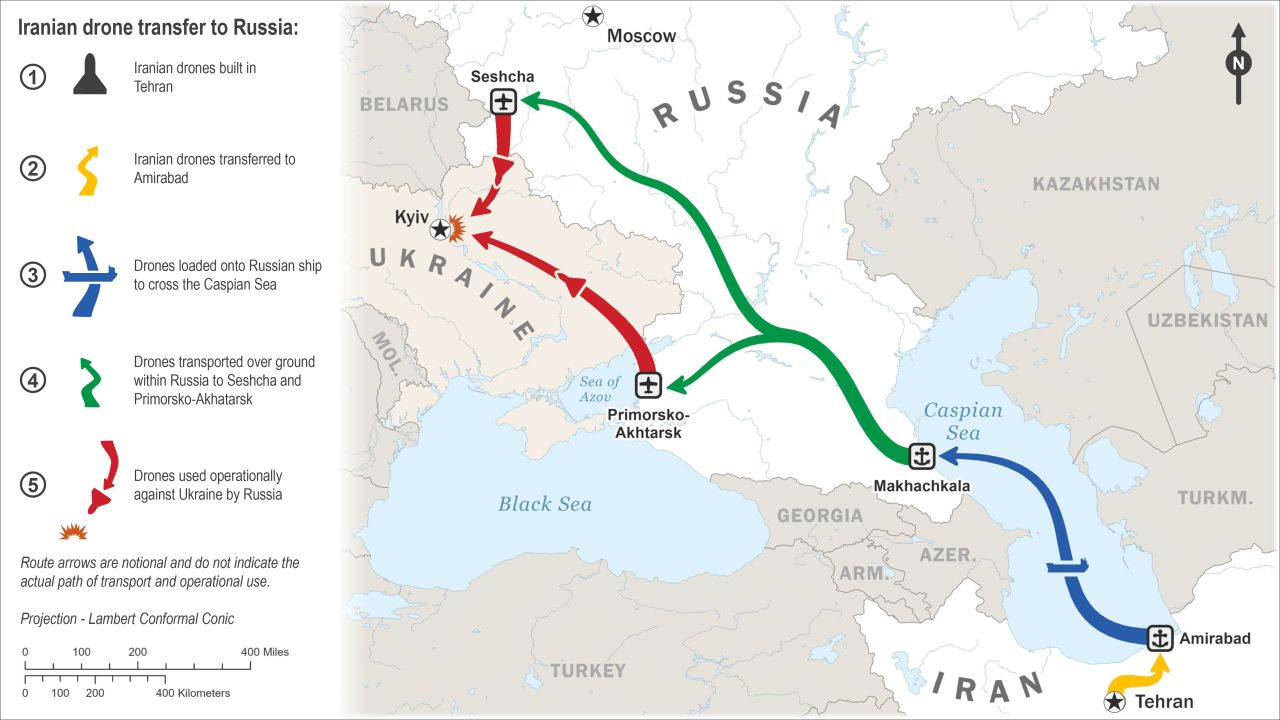
This proposed shift represents a departure from previous bipartisan consensus on supporting Kyiv against Russian aggression. The implications of such a move are twofold: first, it would force Ukraine to seek alternative sources of funding or negotiate from a position of diminished strength; second, it would signal to other global actors that U.S. Commitment to foreign security guarantees is conditional and subject to internal political shifts. The focus on the “cost” of conflict reflects a broader administration goal to reduce overseas expenditures, though the strategic vacuum left by such a withdrawal remains a point of intense international concern.
Escalating Tensions and the Iran Threat
The administration’s aggressive posture is not without direct retaliation, particularly from the Islamic Republic of Iran. As the U.S. Continues to apply pressure through sanctions and strategic maneuvers, Tehran has responded with direct threats targeting critical U.S. Infrastructure. Specifically, Iran has issued threats against the U.S. Power grid in response to perceived attacks or escalations by the Trump administration, according to Euronews.com.
These threats highlight a new frontier of conflict—cyber and infrastructural warfare—where the target is not a military installation but the civilian energy grid. The volatility of this relationship is exacerbated by the administration’s unpredictable diplomatic style, which can lead to rapid escalations. The threat to the power grid serves as a stark reminder that geopolitical gambles in one region, such as the Arctic or Eastern Europe, can have immediate and dangerous repercussions in the Middle East.
Key Geopolitical Risk Factors
| Focus Area | Proposed Action/Stance | Potential Global Impact |
|---|---|---|
| Greenland/Arctic | Interest in territorial acquisition/influence | Potential NATO rupture and tension with Iran |
| Ukraine | Cessation of war funding (VP Vance) | Shift in Eastern European security balance |
| Iran | Pressure/Aggressive posture | Threats of attacks on U.S. Power grid |
As the administration continues to redefine the role of the United States on the world stage, the balance between financial pragmatism and global security remains precarious. The transition from a policy of “global policeman” to one of selective engagement is creating a period of high uncertainty for both allies and adversaries alike.
The next critical checkpoint for these developments will be the upcoming official budget reviews and diplomatic summits, where the administration’s stance on Ukraine funding and NATO contributions will be formally codified. We will continue to monitor official filings and government statements for updates on these policy shifts.
What are your thoughts on the shifting U.S. Approach to international alliances? Share your perspective in the comments below or share this report with your network.