
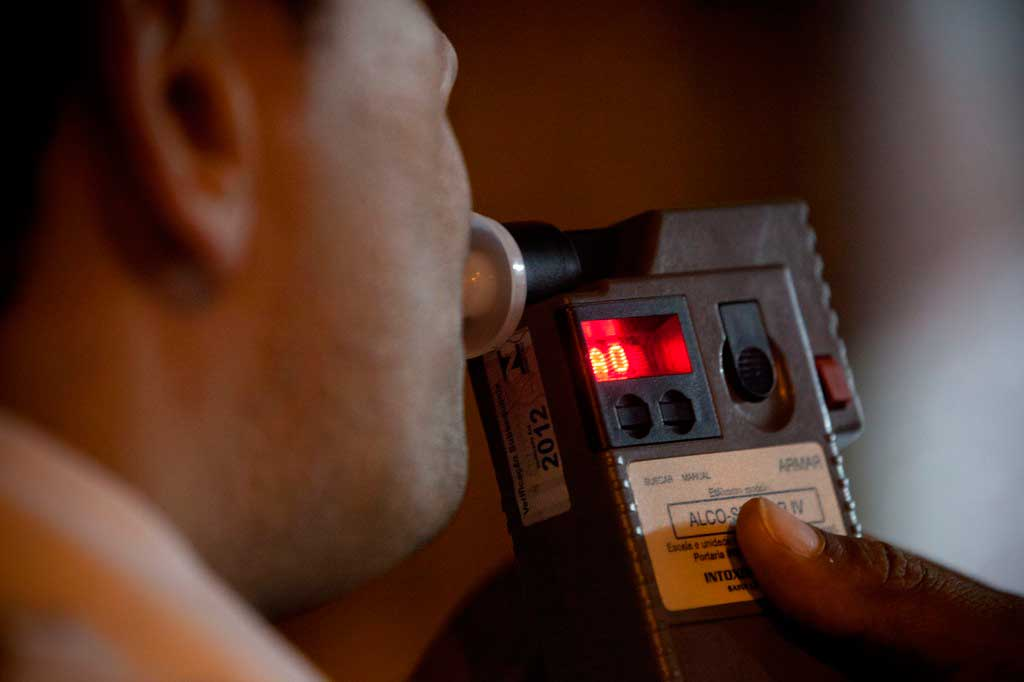
For many, the weekend ritual of a few drinks is seen as a harmless release—a way to unwind after a taxing work week. However, as a physician and health journalist, I have seen how the misconception that “occasional” drinking is safe can mask a dangerous physiological reality. The speed at which we consume alcohol often matters more than the frequency, and the impact on our internal organs can be profound, and permanent.
Understanding how long alcohol stays in the body and how it is processed is not merely a matter of curiosity; it is a critical safety concern. When alcohol is ingested in large quantities over a very short window, the body’s metabolic pathways are overwhelmed, leading to a state known as binge drinking. This practice does not just cause temporary impairment; it can trigger severe health crises in a matter of hours and contribute to chronic diseases that remain silent until they reach an advanced stage.
The danger lies in the intensity of the episode. While chronic alcoholism is well-documented, the episodic nature of binge drinking is increasingly recognized as a significant public health problem. Whether it is a young adult at a party or an older professional on a Friday night, the rapid elevation of blood alcohol levels creates a volatile environment for the brain and the liver.
Defining Binge Drinking: More Than Just a Party Habit
The term “binge drinking” is often used colloquially, but in medical and public health contexts, it has a specific definition based on the number of doses consumed. According to health experts, this behavior occurs when an individual consumes four or more doses for women, or five or more doses for men, within a short period—typically around two hours via Diário do Litoral. The primary goal of this pattern is often to reach a state of intoxication rapidly, which significantly increases the risk of immediate harm.
Other definitions expand this window to a single day, noting that consuming four or more doses for women or five or more for men at least once a month constitutes episodic heavy drinking via Correio Braziliense. This distinction is vital as it highlights that you do not need to be a daily drinker to suffer severe physiological damage. The intensity of a single episode can be more dangerous than consistent, low-level consumption because of the shock it delivers to the system.
When alcohol enters the bloodstream at this pace, the liver—the body’s primary filtration system—cannot retain up. This leads to a rapid spike in blood alcohol concentration (BAC), which impairs judgment, motor coordination, and cognitive function. For those who decide to drive after such an episode, the risks are catastrophic, as the brain’s ability to react to road hazards is severely diminished during the peak of this metabolic surge.
The Silent Threat to Liver Health
One of the most concerning aspects of episodic heavy drinking is its effect on the liver, specifically for those who may already have underlying conditions. Many people assume that if they drink sparingly during the week, a weekend binge will not cause lasting harm. However, recent research suggests otherwise.
A study published in April in the journal Clinical Gastroenterology and Hepatology, titled “Episodic Heavy Drinking and Implications for Steatotic Liver Disease Nomenclature: A National Cross-Sectional Study,” indicates that individuals with metabolic dysfunction-associated steatotic liver disease (MASLD)—the most common liver disease in some regions, affecting one in three adults—face a significantly higher risk of liver fibrosis via Correio Braziliense. Liver fibrosis refers to the development of harmful scars on the liver, which can eventually lead to cirrhosis or hepatocellular carcinoma, the most common type of liver cancer.
Dr. Ramon Andrade de Mello, an oncologist and vice-president of the Sociedade Brasileira de Cancerologia, emphasizes that this is a “silent disease.” Most patients do not experience symptoms until the liver damage is already in an advanced stage via Correio Braziliense. This makes the practice of binge drinking particularly treacherous, as the damage is occurring internally without any immediate warning signs.
Adolescent Consumption and Developmental Risks
The impact of how long alcohol stays in the body is even more pronounced in adolescents, whose brains are still in a critical stage of development. In Brazil, data from the III National Survey of Alcohol and Drugs (LENAD) reveals a troubling trend: 27.6% of adolescents have tried alcohol at least once in their lives via G1. Among those who drink, the average consumption is 3.7 doses per occasion, with some reporting much higher amounts consistent with binge drinking patterns.

For a developing brain, alcohol is a neurotoxin. It specifically targets areas responsible for memory, reasoning, and impulse control. The consequences are not just medical but social and academic, often manifesting as lower school performance, higher dropout rates, and increased social vulnerability via G1. The survey further highlights that 15.8% of adolescents demonstrate levels of harmful use or possible dependence, and 5.7% meet the criteria for Alcohol Use Disorder via G1.
Because the adolescent liver and brain are less equipped to handle the rapid influx of ethanol, the window of impairment is often longer and the potential for permanent damage is higher. The cultural acceptance of early drinking creates a dangerous paradox where a public health crisis is normalized as a social rite of passage.
Key Takeaways on Alcohol and the Body
- Binge Drinking Defined: Consuming 4+ doses (women) or 5+ doses (men) in approximately two hours.
- Liver Risk: Those with metabolic dysfunction-associated steatotic liver disease (MASLD) are at a significantly higher risk of liver fibrosis when binge drinking.
- Adolescent Impact: Alcohol impairs the development of memory and impulse control in youth, with 27.6% of Brazilian adolescents having tried alcohol via G1.
- Silent Progression: Liver damage from episodic drinking often presents no symptoms until it reaches advanced stages.
Understanding the Metabolic Window
When considering how long alcohol stays in the body, it is important to understand that “feeling sober” is not the same as “being sober.” The liver processes alcohol at a relatively constant rate, but when a person engages in binge drinking, the volume of alcohol far exceeds the liver’s capacity to metabolize it. This results in alcohol remaining in the bloodstream and tissues for a prolonged period.
For those who drive, this metabolic lag is deadly. Even after the initial “buzz” fades, the blood alcohol concentration may still be well above legal limits. The impairment of cognitive functions—such as the ability to judge distance or react to a sudden brake light—persists long after the subjective feeling of intoxication has diminished. This is why the practice of binge drinking is considered a critical public health risk; it creates a false sense of recovery while the body is still chemically impaired via Diário do Litoral.
FAQ: Alcohol Metabolism and Risks
What exactly is a “dose” of alcohol?
While specific measurements can vary, health guidelines generally use “doses” to standardize the amount of pure ethanol. Binge drinking is typically marked by 4+ doses for women and 5+ for men in a short window.
Can occasional binge drinking cause permanent liver damage?
Yes. Especially for those with metabolic dysfunction-associated steatotic liver disease (MASLD), episodic heavy drinking can accelerate liver fibrosis and increase the risk of cirrhosis and liver cancer.
Why is alcohol more dangerous for teenagers?
The adolescent brain is still forming. Alcohol disrupts the development of the prefrontal cortex, which affects reasoning, memory, and the ability to control impulses.
How does binge drinking differ from chronic alcoholism?
Chronic alcoholism involves long-term, frequent dependence. Binge drinking focuses on the intensity of consumption in a single episode, which can cause acute toxicity and rapid organ stress even in people who do not drink daily.
As we continue to analyze the intersection of lifestyle and longevity, it becomes clear that our understanding of “moderate” drinking must evolve. The data is unequivocal: the speed of consumption is a primary driver of risk. Whether it is the silent scarring of the liver or the developmental setbacks in our youth, the cost of binge drinking is far higher than a temporary hangover.
For those seeking further guidance on liver health or alcohol use disorders, consulting a healthcare provider for a metabolic screening is the most effective way to identify silent risks before they become irreversible.
We welcome your thoughts and experiences in the comments below. Please share this article to support raise awareness about the hidden dangers of episodic heavy drinking.