
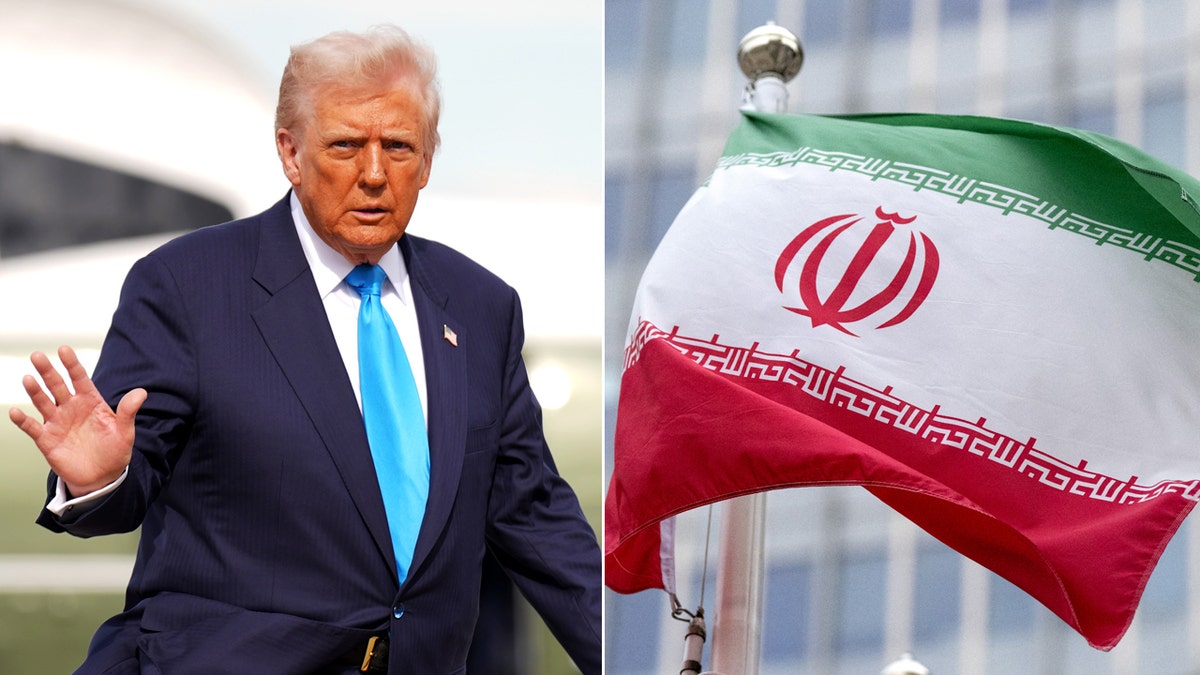
As the international community monitors shifting geopolitical dynamics, the rhetoric surrounding nuclear non-proliferation and Middle Eastern security remains a focal point of global discourse. Recent statements regarding the status of Iran’s nuclear program have once again brought the complexities of U.S. Foreign policy and international diplomacy to the forefront of the public conversation.
The core of the current discussion centers on the strategic approach to nuclear enrichment and the potential for a formal agreement. While various stakeholders continue to debate the necessity of structured pacts, the tension between regional security concerns and diplomatic outreach remains palpable. For those following the evolution of this policy, official updates can be found through the U.S. Department of State, which maintains records on ongoing diplomatic engagements and sanctions policies.
Evaluating the Nuclear Landscape
The question of Iran’s nuclear capabilities has long been a subject of rigorous analysis by international bodies. The International Atomic Energy Agency (IAEA) serves as the primary authority in monitoring nuclear facilities and verifying compliance with international safeguards. Any discussion regarding enrichment levels or the proximity of a nation to achieving a nuclear weapon must be weighed against the technical assessments provided by such independent, multilateral organizations.
In the current administration’s view, the emphasis remains on a robust posture toward non-proliferation. This perspective often highlights the risks associated with rapid advancements in enrichment technology. However, the diplomatic community remains divided on whether unilateral pressure or multilateral negotiation provides the most effective pathway to regional stability. The history of the Joint Comprehensive Plan of Action (JCPOA) and subsequent policy shifts demonstrates the volatility of these negotiations, which are tracked extensively by the Council on Foreign Relations.
Diplomatic Channels and Regional Security
Beyond the technical aspects of uranium enrichment, the human and political dimensions of these talks are significant. Discussions involving diplomatic envoys, experts, and regional partners are part of a broader, often opaque, effort to prevent nuclear escalation. These efforts involve a delicate balance of economic pressure and communication channels that operate behind the scenes of public announcements.
For global observers, understanding the impact of these policies requires looking at the broader economic and social consequences for the region. Sanctions, for instance, have a direct effect on the Iranian economy, a topic frequently analyzed by the World Bank in its regional economic updates. As negotiations continue, the primary challenge remains reconciling the security mandates of the United States with the political realities of the Middle East.
Key Considerations for the Future
As we move forward, several factors will determine the trajectory of these international relations:
- Verification Protocols: The role of independent inspectors in ensuring that nuclear activities remain within civilian parameters.
- Regional Alliances: The impact of U.S. Policy on traditional partnerships and the security architecture of the Middle East.
- Economic Policy: The effectiveness of sanctions as a tool for diplomatic leverage versus the potential for humanitarian impact.
The complexity of these issues ensures that they will remain central to international affairs for the foreseeable future. Keeping informed requires a reliance on verified reporting and official documentation rather than speculative commentary. Readers are encouraged to follow the United Nations and relevant intergovernmental organizations for the most accurate and up-to-date information regarding global security resolutions.
We invite our readers to engage with this topic by sharing their perspectives on the balance between diplomacy and deterrence in the comments section below. As the situation develops, we will continue to provide updates based on verified reports and official statements from the relevant government entities.
Keep reading
- US Revokes Visa of Brazilian Ambassador in Washington
- Russia Missile and Drone Strikes Kill 10 Across Kyiv and Other Ukraine Regions
- Qatar Reports Progress in Diplomatic Efforts to End US-Iran Conflict (archyworldys.com)
- Trump’s Former Lawyer Clears Key Hurdle for Attorney General Role (world-today-news.com)