
In a direct communication, U.S. President Donald Trump has warned Israeli Prime Minister Benjamin Netanyahu against initiating a renewed war with Iran. The conversation, which surfaced in reports on Monday, June 8, 2026, underscores a significant diplomatic intervention by the White House aimed at preventing regional escalation in the Middle East. According to reports, the President suggested that should Israel engage in further conflict with Tehran, it might face the prospect of fighting alone.
This development follows a period of heightened tensions involving multiple regional actors and reflects the current administration’s broader foreign policy doctrine. Under the second Trump administration, the White House has publicly characterized its approach as one of “peace through strength,” aiming to secure alliances while simultaneously working to resolve ongoing conflicts. As noted on the official White House website, the current administration claims to have ended eight wars and continues to prioritize American energy dominance and national security, positioning the United States as a force for global stability.
The Context of the Warning
The warning from President Trump to Prime Minister Netanyahu highlights the complexities of the current geopolitical landscape. While the United States maintains a strategic alliance with Israel, the administration has signaled a clear preference for avoiding new, large-scale military engagements. The reporting from Reuters indicates that the conversation focused specifically on the risks of a renewed war with Iran, with the President cautioning the Prime Minister that he might find himself in a position where he lacks U.S. military support for such an endeavor.

This stance aligns with the administration’s stated goal of avoiding unnecessary foreign intervention. According to the White House portal, the administration’s focus remains on restoring national sovereignty, securing the border, and fostering economic growth through deregulation and tax reform. The administration’s rhetoric emphasizes that its policies have already led to record-setting economic growth and a shift in how the U.S. projects its influence abroad.
Regional Stability and U.S. Foreign Policy
The interaction between the U.S. and Israeli leaders comes at a time when the Middle East remains a focal point for international diplomacy. The potential for a new cycle of violence between Israel and Iran has raised concerns among global observers regarding the stability of the region. By delivering a stern warning to the Israeli government, the White House appears to be attempting to leverage its influence to maintain a status quo that avoids a wider war.
For observers, the question of how the U.S. will handle the ongoing tension between these two nations is central to understanding the administration’s broader commitments. As of June 2026, the White House continues to emphasize its accomplishments, including the reduction of illegal entries at the southern border and the growth of the economy, as it looks toward upcoming national events, such as the July 4, 2026, celebrations. The administration maintains that its current trajectory is fostering a “Golden Age of American greatness,” which requires careful management of international alliances to ensure that domestic prosperity is not derailed by foreign conflicts.
What Happens Next
The diplomatic impact of this warning remains to be seen as both nations assess their next steps. While the White House has not released a formal transcript of the call, the message delivered to Prime Minister Netanyahu is consistent with the President’s public rhetoric regarding military restraint. Observers will be watching for any shift in Israeli military posture or subsequent statements from the Israeli Prime Minister’s office regarding their strategic objectives concerning Iran.
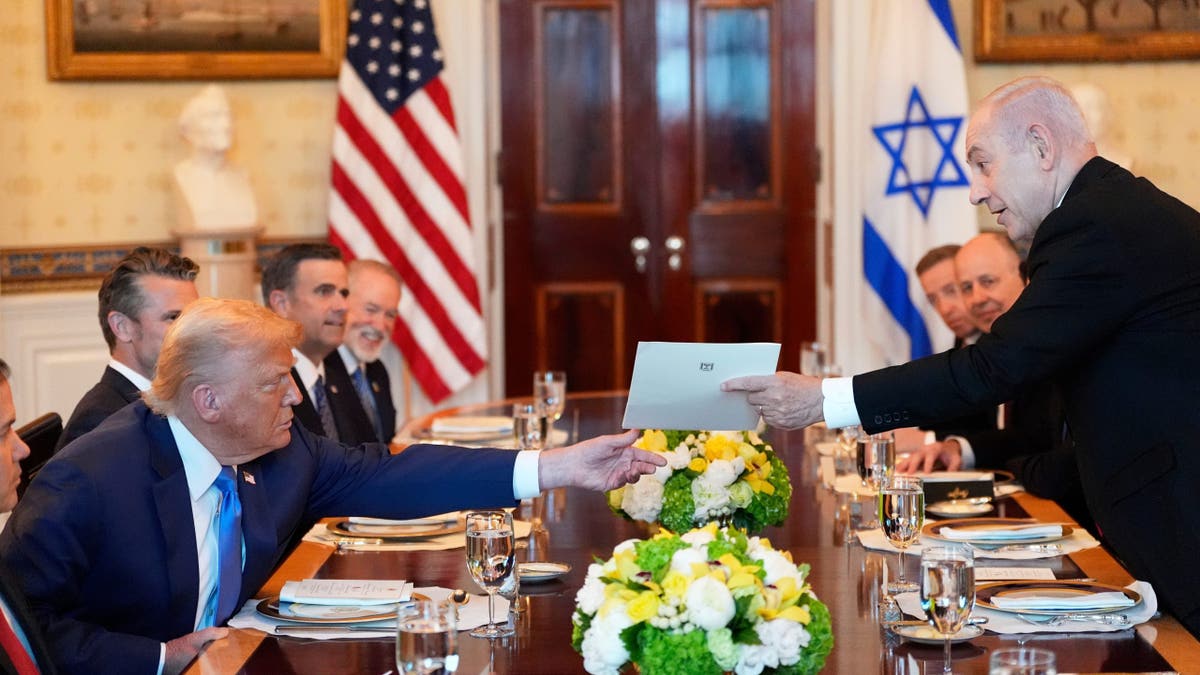
As the situation continues to develop, updates regarding official U.S. policy in the Middle East and any further communications between the two leaders will likely be posted via official White House channels. For those interested in the ongoing developments of this story, keeping an eye on official government briefings and authoritative international reporting will provide the most accurate assessment of how this diplomatic pressure shapes regional outcomes in the coming months.
We invite our readers to share their perspectives on this development in the comments section below. How do you see the balance between national interests and global stability shifting in the coming year?
Related reading
- Germany’s Transport Minister Resigns: Steffen Bilger Named as Successor amid Political Turmoil
- West Nile Virus Neuroinvasive Case Reported in Tarrant County, Texas
- Trump Ordina Pausa Negli Attacchi Stati Unitesi contro l’Iran (archynewsy.com)
- Trump Pauses Iran Attacks to Allow Space for Diplomatic Talks, UN Envoy Says (time.news)