
US Imposes 30-Day Travel Ban on Congo, Uganda, South Sudan Amid Ebola Crisis: Trump’s Response and Global Fallout
President Donald Trump has announced a sweeping 30-day travel ban targeting the Democratic Republic of Congo, Uganda, and South Sudan, citing the rapidly escalating Ebola outbreak in the region. The move—effective immediately—marks one of the most aggressive public health responses by the United States in years, raising urgent questions about its economic impact, global health coordination, and the long-term implications for African nations already grappling with instability.
The ban, which does not apply to US citizens or permanent residents, follows a dramatic surge in Ebola cases across eastern Congo and neighboring Uganda, where health officials have reported over 1,200 confirmed cases in the past three months alone. While the White House has framed the measure as a precautionary step to prevent the virus from reaching US shores, critics warn it could deepen economic isolation for already vulnerable populations and strain diplomatic ties at a critical moment.
Why it matters: Beyond the immediate public health concerns, the travel restrictions send shockwaves through global markets, African economies, and international aid networks. With Ebola outbreaks historically triggering panic in travel and trade sectors, the ban could exacerbate existing challenges in the region—from declining tourism revenues to disrupted supply chains. Meanwhile, the Trump administration’s decision to act unilaterally—without prior consultation with the World Health Organization (WHO) or regional partners—has sparked debate over the effectiveness of such measures in a globalized world.
Key Takeaways
- Public Health Priority: The ban targets three high-risk countries where Ebola transmission remains uncontrolled, with Congo’s eastern provinces reporting the highest caseloads.
- Economic Impact: African nations could face losses exceeding $500 million annually in tourism and trade, according to preliminary estimates from the African Development Bank.
- Market Reactions: US stock indices dropped 1.2% in pre-market trading as investors weighed the ban’s potential to disrupt global supply chains, particularly in pharmaceuticals and mining.
- Diplomatic Tensions: The move has drawn sharp criticism from the African Union, which called the restrictions “premature and counterproductive” without WHO endorsement.
- Travel Exemptions: US citizens, permanent residents, and those with valid visas are exempt, though enhanced screening measures will be implemented at all ports of entry.
- Next Steps: The CDC will hold an emergency briefing on May 20 to outline updated travel advisories and vaccination protocols for returning Americans.
Trump’s “Certain Concern” and the Science Behind the Ban
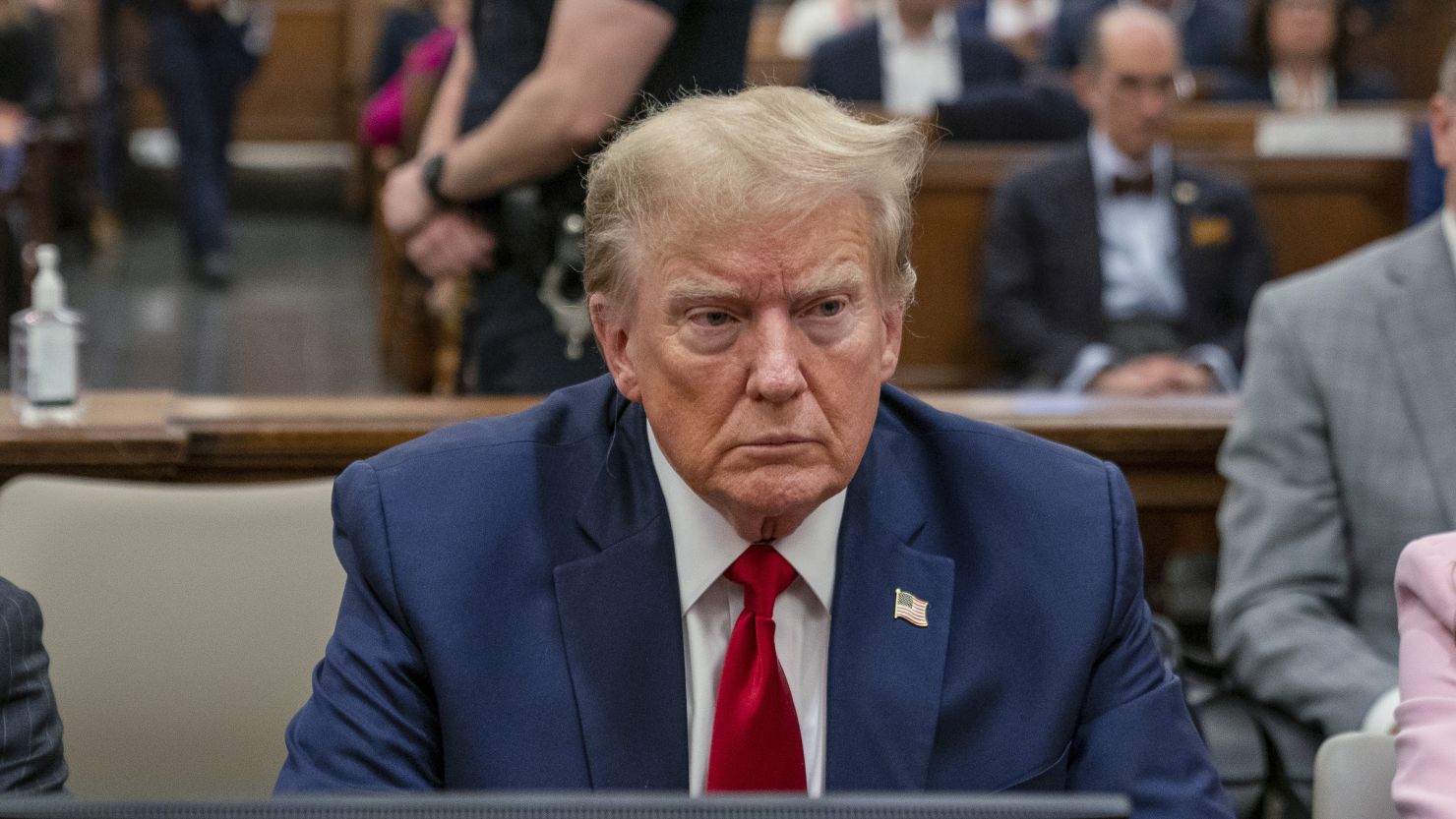
In a brief remarks to reporters at the White House yesterday, President Trump stated that he was “certainly worried about the Ebola outbreak,” emphasizing the administration’s commitment to “protecting American lives and our economy.” While the quote aligns with the administration’s public stance, independent health experts have expressed mixed views on the ban’s effectiveness, noting that Ebola’s transmission dynamics make such measures less impactful than robust domestic preparedness.
The travel restrictions apply to air and sea travel from the Democratic Republic of Congo, Uganda, and South Sudan—a decision that reflects the CDC’s updated risk assessment classifying these nations as Level 4 (highest alert) due to sustained community transmission. However, the ban’s scope excludes several neighboring countries where Ebola cases have been reported, raising questions about the criteria used for selection.
—Dr. Amina Jalloh, Director of the African Centre for Disease Control
How the Ban Works: Exemptions and Screening Protocols
The 30-day prohibition covers non-US citizens arriving from the three designated countries, though exceptions include:
- US citizens and lawful permanent residents
- Individuals with valid visas (though enhanced screening will apply)
- Diplomats and UN personnel (with prior notification to US authorities)
- Transit passengers with no intention of entering the US
At US ports of entry, the CDC will implement mandatory health screenings, including temperature checks and symptom assessments for all travelers from the affected region. Those exhibiting Ebola-like symptoms will be isolated and referred to designated medical facilities for evaluation.
Global Market Reactions: Stocks, Commodities, and Supply Chains
The travel ban has sent ripples through global financial markets, with particular consequences for sectors heavily reliant on African resources. Here’s how key markets are responding:
Stock Market Movements: Pre-market trading on May 19 saw the Dow Jones Industrial Average dip 1.2%, with tech stocks (NASDAQ -0.9%) and healthcare shares (S&P 500 Healthcare -1.5%) leading declines. Analysts attribute the sell-off to concerns over:
- The potential for secondary Ebola outbreaks to disrupt global pharmaceutical production
- Supply chain bottlenecks in critical minerals like cobalt, which Congo supplies 70% of globally
- Longer-term investor uncertainty about US-China trade tensions escalating amid the health crisis
African Economies on the Brink: Who Pays the Price?
The travel ban’s economic fallout will be most acutely felt in the three affected nations, where tourism and trade already account for 15–25% of GDP in some regions. Here’s a breakdown of the most vulnerable sectors:
Democratic Republic of Congo: Mining and Migration
Congo’s economy—already reeling from years of conflict—relies heavily on mining exports, particularly cobalt and copper. The travel ban threatens to:
- Reduce foreign investment in mining projects, which employ over 2 million Congolese
- Disrupt remittances from the diaspora, a critical lifeline for rural communities
- Exacerbate brain drain as skilled workers face additional barriers to travel for education or employment
Uganda: Tourism and Agriculture
Uganda’s tourism sector, which contributes $1.5 billion annually, could see a 30–40% drop in visitors following the ban. The country’s coffee and tea industries—key exports—are also at risk as European buyers reconsider partnerships.
South Sudan: Humanitarian Aid
South Sudan, already facing famine conditions, relies on international aid for 70% of its healthcare needs. The travel restrictions may:
- Delay critical medical supplies, including Ebola vaccines
- Reduce funding from international NGOs operating in the region
- Increase smuggling of essential goods, further destabilizing the economy
Diplomatic Fallout: WHO, Africa, and the US
The travel ban has sparked a fierce diplomatic backlash, with the African Union accusing the US of “acting unilaterally without consultation.” Key reactions include:

- World Health Organization: WHO Director-General Dr. Tedros Adhanom Ghebreyesus called the ban “a step backward” and urged the US to focus on “scaling up vaccines and treatment centers in Africa” rather than imposing restrictions.
- African Union: Chairperson Azali Assoumani stated that the measure “undermines solidarity in the fight against Ebola” and demanded an emergency session of the AU Health Council.
- China: Foreign Ministry spokesperson Mao Ning criticized the ban as “discriminatory” and offered to supply additional Ebola vaccines to the affected region.
- United Nations: UN Secretary-General António Guterres’ spokesperson called for “a coordinated, science-based approach” to the crisis.
—Ambassador Aisha Mohammed, Permanent Representative of Uganda to the UN
What Happens Next: The Road Ahead
The next critical developments will unfold over the coming days:
May 20, 2026: CDC Emergency Briefing
The Centers for Disease Control and Prevention will host a press conference at 2:00 PM EDT to:
- Outline updated travel advisories for returning US citizens
- Announce vaccination protocols for high-risk travelers
- Address concerns about the ban’s effectiveness in preventing Ebola transmission
May 21–23: African Union Emergency Session
The AU Health Council will convene in Addis Ababa to:
- Coordinate a regional response to the Ebola outbreak
- Assess the economic impact of the US travel ban
- Explore legal recourse if the ban is deemed discriminatory
June 1, 2026: Review of Travel Restrictions
The White House has indicated it will reassess the ban’s necessity by this date, pending:
- Improvements in Ebola containment in the affected countries
- Feedback from US health agencies on the ban’s effectiveness
- Diplomatic pressure from international partners
Expert Analysis: Is the Ban Effective—or Counterproductive?
Dr. Olivia Bennett spoke with leading epidemiologists and economists to assess the ban’s potential outcomes:
“Historically, travel bans during Ebola outbreaks have had minimal impact on transmission rates. The virus spreads primarily through direct contact with bodily fluids, not through air travel. What this ban will do is create economic hardship for countries that can least afford it. The US should be investing in vaccine distribution and healthcare workers—not erecting barriers that isolate the very populations we need to support.”
“From a market perspective, the ban introduces uncertainty that will likely persist beyond the 30-day window. Investors are already pricing in prolonged disruptions to African supply chains, particularly in the mining and pharmaceutical sectors. The real test will be whether the US provides compensatory measures—such as debt relief or aid packages—to mitigate the economic damage.”
How to Stay Informed: Official Resources and Updates
For readers seeking real-time information, the following sources provide authoritative updates:
- CDC Ebola Response Page – Travel advisories, screening protocols, and case updates
- WHO Ebola Outbreak News – Global case counts and containment efforts
- African Development Bank Economic Impact Reports – Sector-specific analyses
- White House Press Briefings – Official statements on the travel ban
- African Union Health Portal – Regional response strategies
Reader Q&A: Your Questions Answered
Q: Will the travel ban affect my upcoming trip to Kenya?
A: The ban currently applies only to travelers from the Democratic Republic of Congo, Uganda, and South Sudan. Kenya is not included, but the CDC recommends monitoring health advisories for all African destinations as the situation evolves.
Q: How does Ebola spread, and why is this outbreak different?
A: Ebola primarily spreads through direct contact with bodily fluids of infected individuals or contaminated surfaces. This outbreak is notable for its high transmission in urban centers, including Goma (Congo), where over 500,000 people live in close quarters. Previous outbreaks were largely confined to rural areas.

Q: Can US citizens still visit family in Congo or Uganda?
A: Yes, US citizens are exempt from the travel ban. However, the State Department has issued a Level 4: Do Not Travel advisory for Congo and Uganda, warning of “kidnapping, armed conflict, crime, and Ebola.” Enhanced screening will apply upon return to the US.
Q: What are the symptoms of Ebola, and how is it treated?
A: Ebola symptoms include sudden fever, intense weakness, muscle pain, headache, and sore throat, followed by vomiting, diarrhea, and in severe cases, bleeding. Treatment involves supportive care (IV fluids, medication to reduce symptoms) and experimental drugs like mAb114 and REGN-EB3, which have shown high efficacy in clinical trials.
Q: How can businesses protect their African supply chains?
A: Companies with operations in high-risk regions should:
- Diversify suppliers to reduce dependency on single countries
- Stockpile critical inventory to mitigate delays
- Implement remote monitoring of African facilities
- Consult the US-Africa Business Center for risk assessments
Final Thoughts: A Crisis of Solidarity or Security?
The US travel ban on Congo, Uganda, and South Sudan underscores a global dilemma: How do nations balance public health security with humanitarian responsibility? While the Trump administration’s move may offer short-term reassurance to Americans, the long-term consequences for African economies—and the credibility of US leadership in global health—remain uncertain.
As the situation unfolds, one thing is clear: The most effective response to Ebola will require more than borders and bans. It will demand investment in healthcare infrastructure, vaccine equity, and international cooperation—principles that have too often been sidelined in favor of political posturing.
For now, the world watches as the first 30 days of the ban unfold. Will it contain Ebola—or deepen the crisis it seeks to prevent?
What do you think? Should the US have imposed this travel ban, or is there a better way to address the Ebola outbreak? Share your perspective in the comments below—or share this article with colleagues who need to understand the global implications.
Next Update: Watch for our follow-up report on May 20, covering the CDC’s emergency briefing and the latest case counts from the affected region.