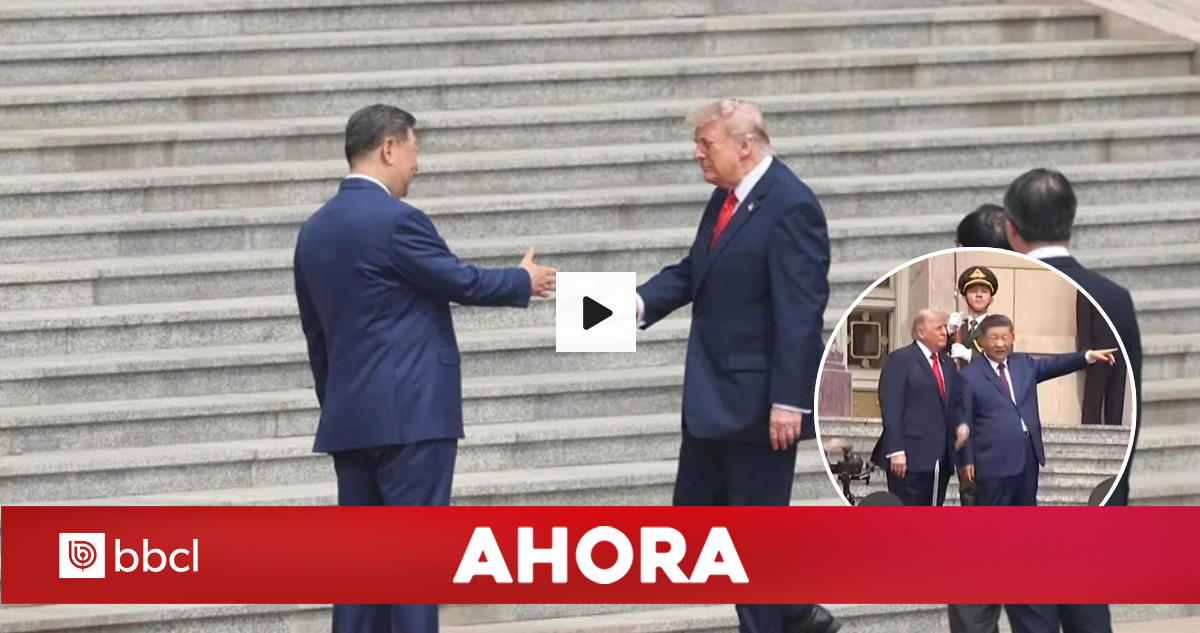
Trump-Xi Summit 2026: What to Expect as U.S. President Arrives in Beijing for High-Stakes Talks
U.S. President Donald Trump arrived in Beijing today for his first state visit to China since 2017, where he will meet with Chinese President Xi Jinping for high-stakes talks addressing trade tensions, Taiwan’s status, and the fallout from recent conflicts in the Middle East. The summit, delayed from March following U.S. And Israeli strikes on Iran, comes at a critical juncture in U.S.-China relations, with both nations navigating a fragile economic truce and escalating geopolitical competition.
The meeting at the Great Hall of the People marks the first time a U.S. President has visited China since Trump’s initial term, and it arrives against a backdrop of rising global oil prices due to the Strait of Hormuz blockade and ongoing negotiations over artificial intelligence regulations. Analysts suggest China holds significant leverage in these discussions, with Xi’s administration emphasizing its long-term economic and technological momentum.
While Trump has framed the visit as an opportunity to “reset” relations, Chinese state media has portrayed the summit as a chance for Beijing to “manage” Washington’s approach to regional and global challenges. The two leaders are expected to address trade agreements, including potential increases in Chinese purchases of U.S. Agricultural products and aircraft, as well as concerns over semiconductor supply chains and intellectual property protections.
Key Issues on the Agenda: What Trump and Xi Will Discuss
The summit agenda centers on four critical areas, each with significant implications for global stability and economic recovery. According to Council on Foreign Relations (CFR) analysts, China’s position has strengthened in recent months, particularly following the U.S.-led strikes on Iran and the subsequent energy market disruptions.
1. Trade and Economic Relations: Can They Break the Stalemate?
One of the primary focuses will be reviving stalled trade negotiations. Trump has indicated he will push for China to “open its markets” to U.S. Businesses, particularly in sectors like energy, technology, and manufacturing. The White House has signaled interest in securing commitments from China to purchase additional U.S. Agricultural products, including soybeans and pork, as well as increasing orders for Boeing aircraft.

However, analysts warn that China’s leverage has grown since the last summit in 2017. During that visit, Xi staged a “state visit-plus” that included a private dinner in the Forbidden City, a Tiananmen Square parade, and $250 billion in announced business deals. This time, Trump arrives with a different dynamic: U.S. Manufacturing has partially relocated to Mexico and Southeast Asia, and China’s domestic market has become less dependent on foreign imports.
What’s at stake: A failure to reach a trade deal could trigger new tariffs on Chinese goods, further straining global supply chains already disrupted by the Iran conflict. The U.S. Is also expected to press China on subsidies for domestic industries, particularly in electric vehicles and green technology.
2. Taiwan: The Unspoken Threat Hanging Over the Summit
While neither leader is expected to publicly discuss Taiwan during the summit, the issue looms large. China has repeatedly warned that any U.S. Support for Taiwan’s independence could derail negotiations. Trump, who has previously expressed ambiguous support for Taiwan, will likely face pressure from both Beijing and his own administration to avoid provocative statements.
The U.S. Has maintained its “one China” policy but continues to sell arms to Taiwan, a move China considers a violation of its sovereignty claims. The summit may see indirect discussions about potential U.S. Recognition of Taiwan, though no formal agreements are expected.
3. Iran and the Strait of Hormuz: Energy Market Fallout
The recent U.S.-led strikes on Iranian nuclear facilities and the subsequent blockade of the Strait of Hormuz have sent global oil prices soaring. China, as the world’s largest importer of crude oil, has been directly affected by the disruptions. Trump is likely to seek Chinese cooperation in stabilizing oil markets, though Beijing has maintained a neutral stance in the conflict.
Analysts suggest China may use this as leverage to extract concessions from the U.S. On other issues, particularly regarding sanctions relief or technology transfers. The summit could see discussions about joint efforts to ease the Strait of Hormuz blockade, though no immediate solutions are expected.
4. Artificial Intelligence and Tech Competition
The race for AI dominance is another critical topic. The U.S. Has imposed restrictions on Chinese access to advanced semiconductor technology, while China has accelerated its own AI development. Trump may push for China to adopt international standards for AI ethics and data privacy, though China has resisted such measures in the past.
Meanwhile, U.S. Tech companies like Apple and Google continue to face restrictions in the Chinese market, raising concerns about market access and intellectual property theft. The summit could see discussions about reciprocal market access, though progress is unlikely without broader trade deals.
What to Watch: Key Moments from the Summit
Beyond the bilateral talks, several moments will be closely watched by global observers:
- The Joint Press Conference: Trump and Xi are expected to hold a press conference tomorrow, where they may offer vague commitments on trade and security while avoiding direct confrontations on Taiwan or Iran.
- Business Delegations: A group of U.S. Business leaders, including CEOs from Boeing, Caterpillar, and agricultural firms, will accompany Trump. Any announced deals could signal progress on economic cooperation.
- Xi’s Public Statements: Chinese state media will amplify Xi’s remarks, focusing on themes of “peaceful coexistence” and “mutual benefit”. Watch for any shifts in China’s rhetoric on U.S. Engagement.
- The “Readout” Documents: Both the White House and Chinese Foreign Ministry will release official summaries of the talks. These documents often provide the most concrete clues about what was actually agreed.
What Happens Next? The Road Ahead for U.S.-China Relations
Even if the summit produces no major breakthroughs, it sets the stage for the next phase of U.S.-China relations. Key developments to watch in the coming months include:
- Trade Negotiations: The U.S. And China will likely resume talks on tariffs and market access, with a focus on agriculture and aerospace. Any progress could take months.
- Taiwan Monitoring: Both sides will closely watch U.S. Military movements near Taiwan and Chinese military drills in the South China Sea. Any escalation could derail diplomatic progress.
- Iran Crisis Updates: If the Strait of Hormuz blockade persists, U.S.-China cooperation—or lack thereof—will be a key indicator of their ability to work together on global challenges.
- AI Regulations: The U.S. May push for China to align with Western AI governance frameworks, though China is unlikely to make major concessions.
Key Takeaways: What This Summit Means for the World
- China’s Growing Influence: The summit underscores China’s strengthened position in global affairs, particularly in energy and technology. Xi’s administration appears confident in its ability to shape U.S. Policy.
- Economic Interdependence: Despite tensions, both nations remain economically intertwined. Any disruption in trade or technology flows would have global repercussions.
- Taiwan as a Wild Card: While not openly discussed, Taiwan remains the biggest potential flashpoint. Any misstep by either side could lead to a rapid deterioration in relations.
- Limited Expectations: Realists suggest the summit is more about managing the relationship than achieving major breakthroughs. The focus will be on avoiding escalation rather than resolving deep-seated disputes.
- Public Perception Matters: Both leaders will seek to portray the summit as a success, even if no concrete deals are announced. Symbolism—such as joint photo opportunities—will be closely scrutinized.
Next Steps: The White House and Chinese Foreign Ministry will release official readouts of the summit within 24 hours. For real-time updates, follow White House press releases and Chinese Foreign Ministry statements.
What do you think will be the biggest outcome of this summit? Share your thoughts in the comments below or join the discussion on Twitter using #TrumpXiSummit.
Related reading