
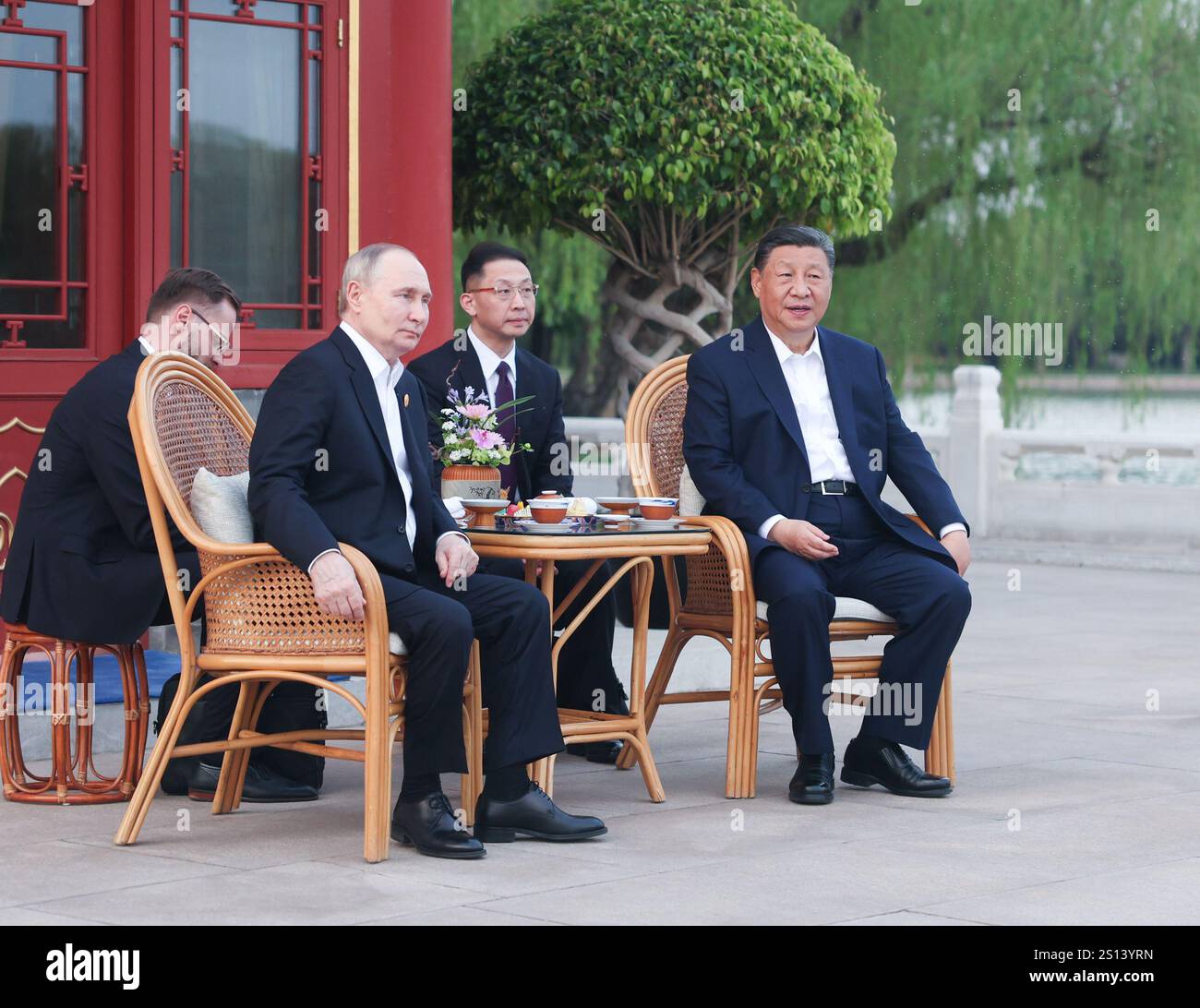
BEIJING — Under the canopy of the Zhongnanhai Garden, the second and final day of the high-stakes summit between U.S. President Donald Trump and Chinese President Xi Jinping commenced on Friday, marked by a delicate blend of traditional diplomatic ritual and profound geopolitical tension.
The atmosphere in Beijing remains charged as the two leaders continue their marathon discussions, moving from the ceremonial warmth of a traditional tea ceremony to the heavy, substantive realities of global security and technological supremacy. While the morning began with the visual of a “friendship photo,” the underlying agenda remains one of the most complex balancing acts in modern diplomacy, touching upon the most volatile flashpoints in the Indo-Pacific and the Middle East.
As the summit enters its concluding phase, the world is watching to see if the rapport observed during the ceremonial portions of the meeting can translate into meaningful stability. The discussions are expected to navigate a minefield of issues, ranging from the disputed status of Taiwan to the burgeoning “AI battle” that threatens to redefine the global hierarchy of power.
Rituals of Diplomacy: Tea and Protocol at Zhongnanhai
The second day of the summit was characterized by a carefully choreographed sequence of events designed to project stability. Following an initial meeting that lasted two hours and 15 minutes on the previous day, the leaders reconvened in the historic Zhongnanhai Garden. The schedule included a tea ceremony and a working lunch, traditional methods used to soften the edges of intense bilateral negotiations.
President Trump has offered praise for the proceedings, noting that “wonderful things” have been accomplished during the course of the China summit. However, the use of such optimistic language stands in stark contrast to the gravity of the topics on the table. The transition from the symbolic tea ceremony to a working lunch underscores the reality that these meetings are less about social pleasantries and more about the rigorous management of two competing superpowers.
Geopolitical Flashpoints: Taiwan and the Strait of Hormuz
Despite the ceremonial veneer, the shadow of regional conflict looms large over the Beijing talks. Central to the friction is the issue of Taiwan. President Xi Jinping has been explicit regarding the boundaries of diplomatic engagement, warning that any mishandling of China’s claims on the disputed island could lead to “clashes and even conflicts.”
The warning from Beijing highlights the precarious nature of the status quo. For the Trump administration, Taiwan remains a cornerstone of its Indo-Pacific strategy, while for China, This proves a matter of core national sovereignty. The summit appears to be a critical testing ground for whether the two leaders can establish “guardrails” to prevent localized disputes from escalating into full-scale military confrontations.
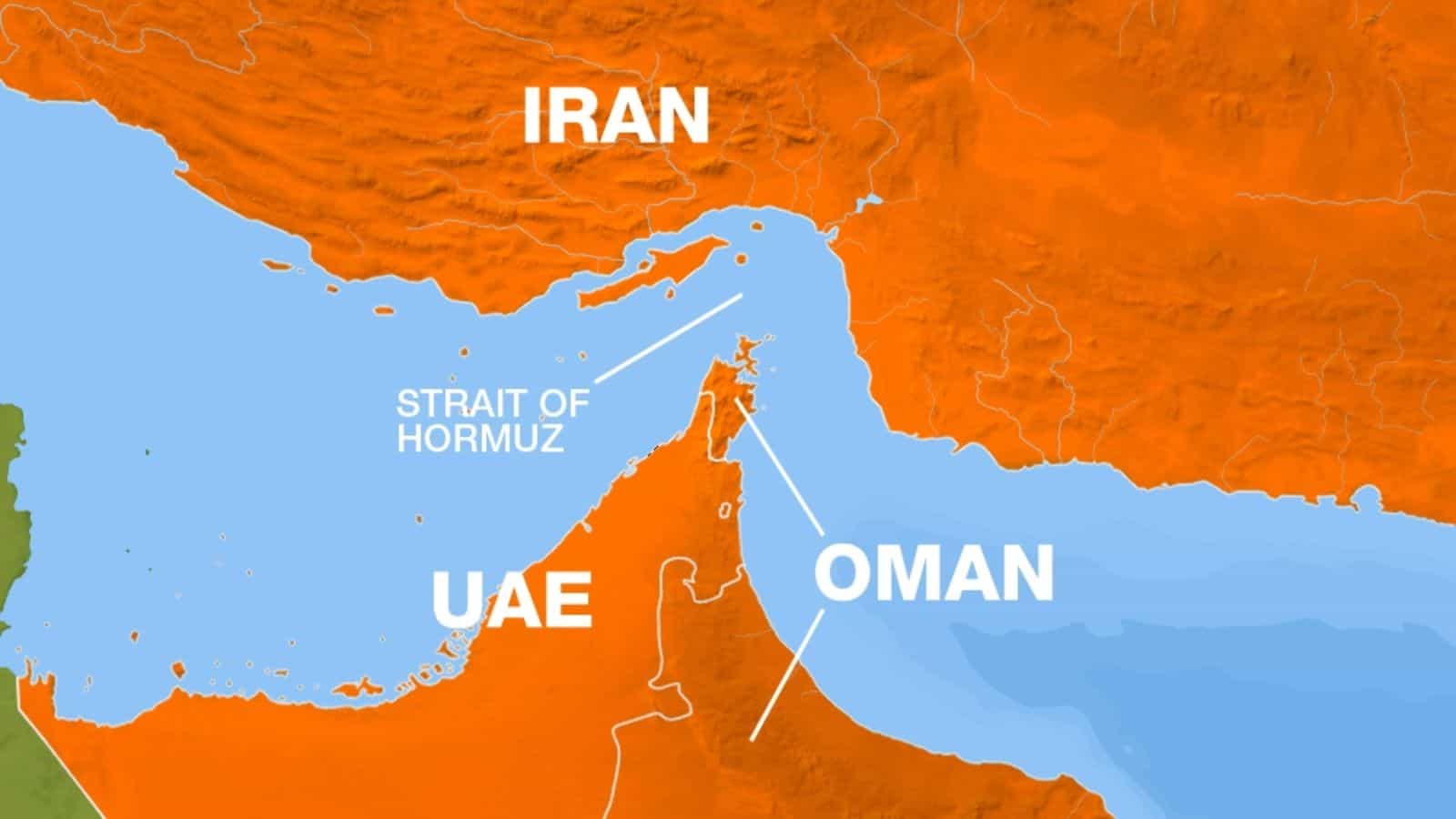
The dialogue has also extended far beyond the borders of East Asia. Secretary of State Marco Rubio informed NBC News that President Trump raised the critical issue of the ongoing war in Iran and the persistent blockade of the Strait of Hormuz. The Strait, a vital artery for global energy supplies, has become a focal point of international anxiety due to the months-long conflict in the region.
Notably, Rubio clarified that during these discussions, Trump did not formally request assistance from President Xi in ending the conflict. This distinction is significant, suggesting that while the U.S. Is bringing the Middle Eastern instability to the table, it is doing so to ensure China understands the global implications of the blockade, rather than as a direct plea for Chinese intervention in a U.S. Sphere of influence.
The New Frontier: The Global AI Race
Perhaps the most transformative element of the summit is the focus on artificial intelligence. The Trump administration has signaled that AI is a core pillar of the meeting, framing the technology not just as a commercial sector, but as a critical theater of global power. President Trump has characterized the current era as a “race to achieve global dominance in artificial intelligence.”
The competition is increasingly defined by control over the “bottlenecks” of the technology. The United States currently exerts significant influence over the critical stages of the AI pipeline, most notably the manufacturing equipment and the high-end semiconductors necessary to power advanced AI hardware. China, viewed as the primary competitor, is currently perceived as trailing behind America’s leading technology firms by several months in terms of system capability.
The summit seeks to address how these two nations will manage this technological rivalry. Whether the discussions will lead to a framework for “strategic stability” in AI or simply formalize a period of intense technological decoupling remains to be seen. As both nations acknowledge AI as a prerequisite for future technological leadership, the outcome of these talks could dictate the pace of global innovation for decades to come.
Key Takeaways from the Trump-Xi Summit
- Taiwan Tension: President Xi warned that mishandling claims on Taiwan could result in “clashes and even conflicts.”
- Middle East Security: Discussions included the Iran war and the blockade of the Strait of Hormuz, though no formal request for Chinese help was made.
- AI Dominance: The summit highlights an intensifying race for AI leadership, with the U.S. Leveraging its control over chip manufacturing and hardware bottlenecks.
- Diplomatic Tone: While President Trump praised the summit’s progress, the underlying discussions remain focused on high-stakes security and technological competition.
As the summit concludes, the international community awaits a formal summary of the discussions. The degree to which the two leaders can manage their competition in AI and their disagreements in the Taiwan Strait will likely define the geopolitical landscape for the remainder of the decade.
The next scheduled update is expected following the conclusion of the leaders’ working lunch and the final closing remarks of the summit.
What do you think the outcome of this summit means for global stability? Share your thoughts in the comments below and share this article to join the conversation.
Keep reading