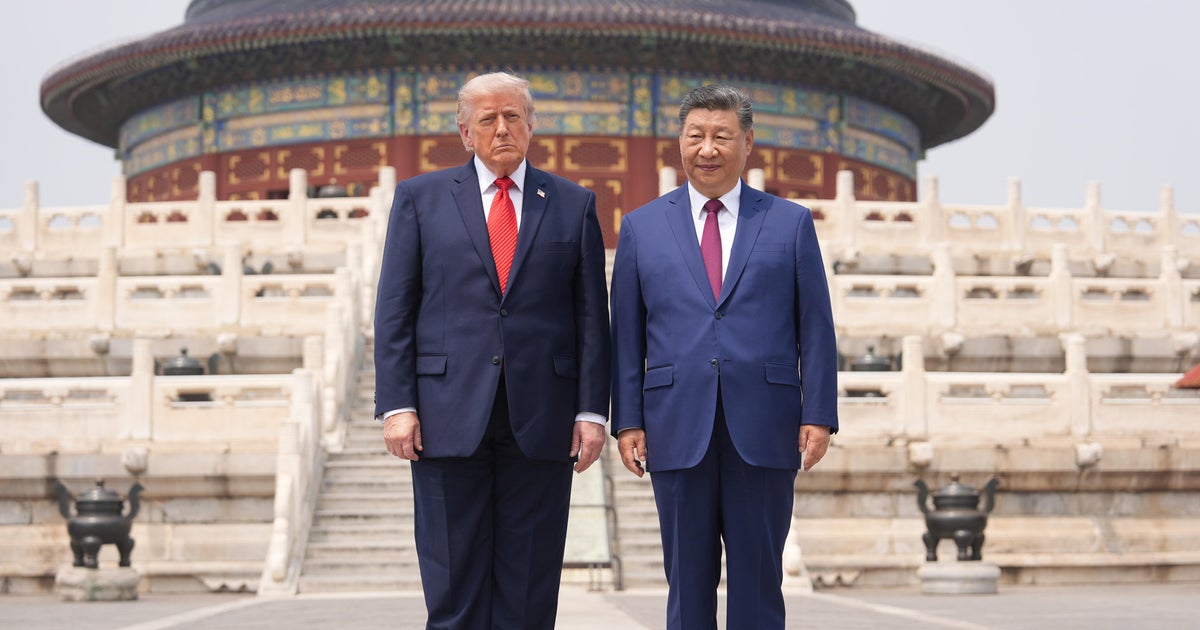
BEIJING — President Donald Trump has concluded his high-stakes diplomatic mission to China, wrapping up a pivotal summit with President Xi Jinping that sought to establish a new, more predictable framework for the complex relationship between the world’s two largest economies.
The visit, which included a state banquet at the Great Hall of the People, concluded on Thursday following intense discussions on trade, energy security, and the volatile geopolitical situation in the Taiwan Strait. While the summit was characterized by various friendly gestures, the official readouts suggest a relationship defined by a delicate balance between cooperation and what leaders described as “measured competition.”
At the heart of the discussions was a mutual agreement to develop what Beijing has termed a “constructive China-U.S. Relationship of strategic stability.” According to official communications from the Chinese government, this new positioning is intended to serve as the guiding framework for bilateral relations for the next three years and beyond.
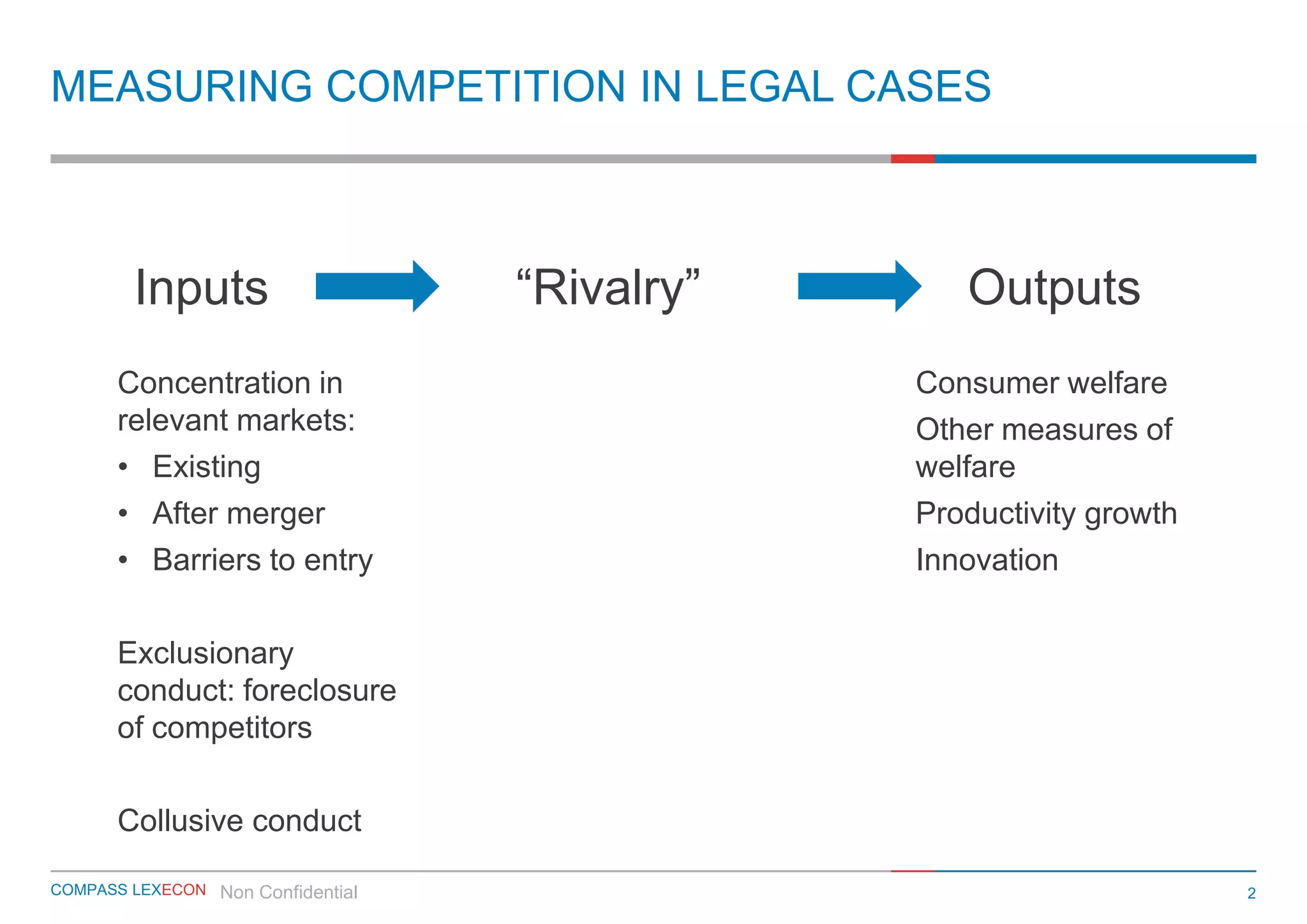
A Framework of ‘Measured Competition’
The agreement to pursue “strategic stability” represents a significant attempt to manage the deep-seated frictions that have defined the relationship in recent years. The framework is expected to be characterized by cooperation in specific sectors, balanced against a policy of competition that both sides hope to keep within manageable limits.
The Chinese government’s English readout of the summit indicated that this strategic positioning will be driven by “measured competition” with “manageable differences.” However, Chinese officials emphasized that the high-level agreement must be translated into concrete, actionable steps to be effective.
This shift toward a managed approach marks a departure from the more unpredictable tensions seen in previous years. By establishing a three-year guiding framework, both Washington and Beijing appear to be seeking a period of relative predictability, even as they continue to compete for technological and economic supremacy.
Taiwan: The Primary Point of Friction
Despite the overarching goal of stability, the summit did not escape the gravity of the most sensitive issue in the bilateral relationship: Taiwan. President Xi Jinping utilized the meeting to deliver a stark message regarding the island, identifying it as “the most important issue” in the relationship between the United States and China.
The sternness of Xi’s language on Taiwan serves as a reminder that while trade and energy may provide avenues for cooperation, the security architecture of the Indo-Pacific remains a fundamental flashpoint. The summit’s emphasis on “strategic stability” will likely be tested by how both nations navigate the complexities of cross-strait relations in the coming months.
Trade and Energy: The Pivot to U.S. Oil
In a move that could have significant implications for global energy markets, China expressed a renewed interest in increasing its purchases of United States oil. This interest is reportedly driven by a strategic desire to diversify its energy sources and reduce its long-standing reliance on crude oil imports from the Middle East.
The potential for increased energy trade offers a rare area of alignment between the two powers. If China moves forward with larger-scale U.S. Oil imports, it could provide a much-needed economic stabilizer for the relationship, offering a mechanism for trade cooperation even as other sectors remain highly competitive.
Expert Analysis: Seeking a ‘Guardrail’ for Stability
Economic and political analysts are closely examining the implications of the “strategic stability” framework. The consensus suggests that while the summit did not resolve the fundamental structural tensions between the U.S. And China, it has successfully established a set of “guardrails” to prevent further escalation.
Tianchen Xu, a senior economist at the Economist Intelligence Unit, noted that the summit signals a period of “managed stability” that is expected to persist for some time. Xu observed that while frictions are inevitable, the new framework aims to ensure that “things won’t spiral out of the two sides’ control as they nearly did in 2025.”
This perspective highlights the primary objective of the Beijing summit: to move away from the brink of uncontrolled escalation and toward a more disciplined, predictable form of rivalry. The success of this “managed stability” will depend entirely on whether the “measured competition” agreed upon by Trump and Xi can be maintained without triggering the very conflicts the framework is designed to avoid.
Key Takeaways from the Trump-Xi Summit
- Strategic Framework: Both nations agreed to a “constructive China-U.S. Relationship of strategic stability” to guide relations for at least the next three years.
- Managed Competition: The relationship will be defined by a combination of cooperation and “measured competition” aimed at keeping differences manageable.
- Taiwan Red Line: President Xi Jinping identified Taiwan as the “most important issue” in the bilateral relationship, signaling continued tension in this area.
- Energy Diversification: China expressed interest in increasing U.S. Oil imports to reduce its dependence on Middle Eastern crude.
- Stability Measures: Analysts suggest the summit has established “guardrails” to prevent the level of volatility experienced in 2025.
As President Trump concludes his visit, the international community will be watching for the first concrete actions that implement this new framework. The transition from diplomatic rhetoric to practical policy will determine whether “strategic stability” is a lasting development or merely a temporary pause in a continuing struggle for global influence.
The next scheduled update regarding the implementation of the bilateral framework is expected following the next round of high-level economic and security dialogues.
What are your thoughts on the new “strategic stability” framework? Will it effectively manage the tensions between Washington and Beijing? Share your views in the comments below and share this article with your network.
Worth a look