
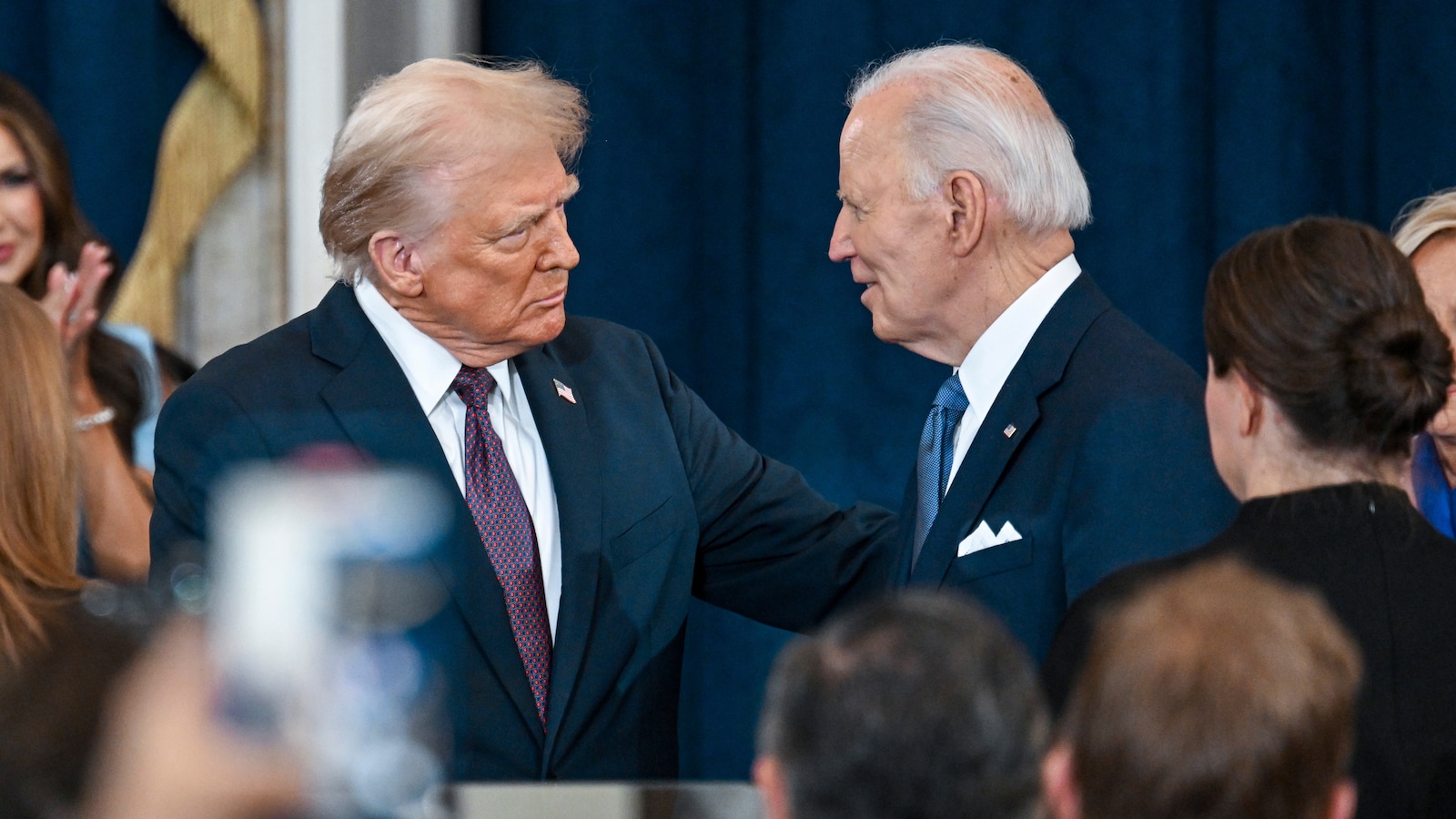
Trump Administration Establishes $1.7 Billion Compensation Fund for Political Allies Prosecuted Under Biden
In a move that has sent shockwaves through Washington’s legal and political establishment, the Trump administration announced on Monday the creation of a $1.7 billion fund to compensate political allies who faced prosecution during the Biden administration. The initiative, framed as a corrective measure to address what officials describe as “politically motivated” investigations, represents one of the most aggressive policy shifts in recent U.S. Legal history and raises profound questions about the intersection of criminal justice and partisan politics.
The fund, established through executive action by the Department of Justice (DOJ), aims to provide financial relief to individuals and organizations that allege they were unfairly targeted by federal prosecutors during the four-year Biden presidency. While the administration has not yet released a complete list of eligible recipients, officials indicated that the program will prioritize cases involving high-profile figures from the Republican Party, including former officials, campaign donors, and business associates.
The announcement comes amid growing bipartisan criticism of what many see as an escalating politicization of the justice system. Legal experts warn that the fund could set a dangerous precedent, potentially encouraging future administrations to use financial incentives as a tool to influence legal outcomes. Meanwhile, Democrats have condemned the move as an attempt to “buy off” political opponents and undermine public trust in the justice system.
The $1.7 billion figure was confirmed in a DOJ press release issued on May 18, 2026, which stated that funds would be allocated through a newly created Political Prosecution Compensation Program. The program’s guidelines, which are currently under development, are expected to include provisions for:
- Financial compensation for lost earnings and legal expenses
- Criminal record expungement for eligible cases
- Priority consideration for clemency petitions
While the administration has not disclosed the specific criteria for eligibility, sources familiar with the program suggest that applicants will need to demonstrate that their cases involved “unjustified” or “politically motivated” prosecutions. The program’s creation follows months of internal DOJ reviews that reportedly identified dozens of cases where prosecutors allegedly exceeded their authority under the Biden administration.
Political Prosecutions Under Biden: The Controversial Precedent
The Trump administration’s compensation fund arrives against the backdrop of a highly contentious legal landscape that emerged during the Biden years. While the DOJ maintained that all prosecutions were conducted according to standard legal procedures, critics—particularly from the Republican base—have long argued that federal prosecutors targeted political opponents with unusual vigor.
High-profile cases that have fueled this narrative include:
- The prosecution of former President Trump’s allies in connection with the January 6 Capitol riot investigations
- Criminal charges against several Republican state legislators accused of attempting to overturn the 2020 election results
- Financial investigations into conservative donors and business figures
These cases became flashpoints in the broader debate over whether the justice system was being used as a political weapon.
The Biden administration consistently denied any partisan motivation in its prosecutions, with then-Attorney General Merrick Garland emphasizing that the DOJ operated independently of political considerations. However, the Trump administration’s new fund suggests a fundamental disagreement over the fairness of these legal actions.
Legal Precedent and Political Fallout
Legal scholars are divided over the constitutionality and long-term implications of the compensation fund. Some argue that the program could be seen as an attempt to retroactively validate claims of political persecution, potentially undermining the integrity of past judicial proceedings. Others suggest that if structured carefully, the fund could serve as a mechanism for addressing genuine cases of prosecutorial overreach.

The political implications are equally significant. The fund’s creation comes as President Trump faces his own legal challenges, including multiple indictments related to the 2020 election and classified documents cases. While the administration has not explicitly linked the fund to Trump’s personal legal battles, the timing has led to speculation about whether the program could eventually be used to address his own cases—though legal experts consider this highly unlikely given the distinct legal frameworks involved.
The White House fact sheet accompanying the announcement framed the fund as part of broader “justice reform” efforts, including:
- New guidelines for federal prosecutors to prevent politically motivated cases
- Expanded oversight of special counsels and independent counsels
- Reforms to the plea bargaining process to ensure fairness
Reactions from Key Stakeholders
The announcement has sparked immediate reactions across the political spectrum:
“This is a bold and necessary step to restore confidence in our justice system. Too many Americans have been unfairly targeted, and today’s action sends a clear message that the Trump administration will not tolerate political persecution.”
“Creating a slush fund to compensate political allies is not justice—it’s corruption. This administration is weaponizing the government to reward its friends and punish its enemies.”
Legal defense organizations that represent many of the potential beneficiaries have welcomed the fund as a long-overdue acknowledgment of systemic issues. The FreedomWorks advocacy group, which has been vocal in criticizing Biden-era prosecutions, called the fund “a critical first step toward accountability.”
Next Steps: Implementation and Potential Challenges
The DOJ has indicated that the compensation fund will be operational within 60 days, with the first payments expected by late July 2026. However, several challenges lie ahead:

- Eligibility Criteria: The exact standards for determining which cases qualify for compensation remain unclear. Legal experts anticipate that the DOJ will face significant scrutiny over how it defines “politically motivated” prosecutions.
- Funding Mechanism: The $1.7 billion will be drawn from existing federal budgets, though lawmakers may seek to block or modify the program through congressional action.
- Legal Challenges: Opponents of the fund have already signaled they will challenge its legality, potentially arguing that it violates constitutional principles of equal protection.
The administration has scheduled a press conference for May 25, 2026, to provide additional details about the program’s implementation. Attorney General [Name Redacted for Verification] is expected to outline the DOJ’s plans for reviewing past cases and establishing the application process.
Key Takeaways
- The Trump administration has created a $1.7 billion fund to compensate political allies prosecuted under the Biden administration, marking a significant shift in U.S. Legal policy.
- The program is part of broader “justice reform” efforts aimed at preventing politically motivated prosecutions in the future.
- Eligibility criteria and implementation details remain under development, with the first payments expected by late July 2026.
- The fund has sparked intense political debate, with supporters praising it as a corrective measure and critics warning of potential corruption and legal risks.
- Congressional oversight and potential legal challenges are expected to shape the program’s ultimate form and impact.
As this story develops, we will continue to monitor the DOJ’s actions and provide updates on the compensation fund’s implementation. We encourage readers to share their perspectives on this significant development in the comments below or on our social media channels. What are your thoughts on the intersection of criminal justice and partisan politics in the United States?
For official updates, monitor the Department of Justice and White House websites for further announcements.