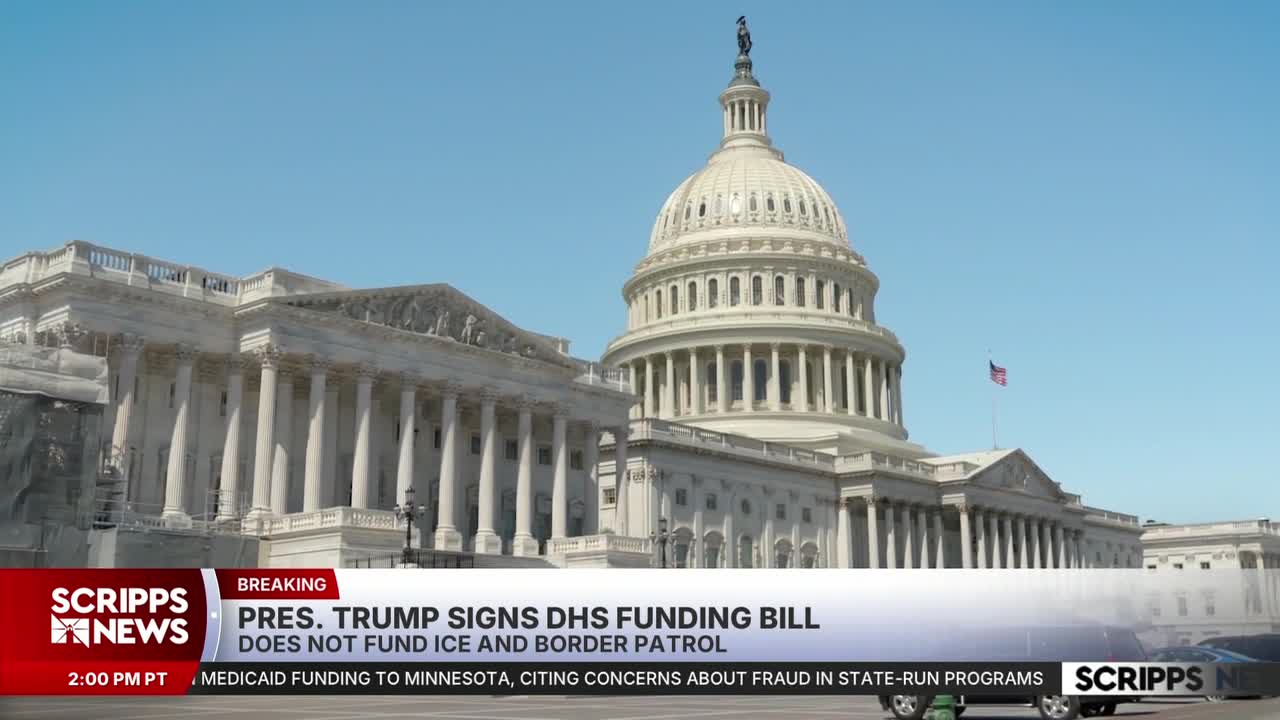
The U.S. House of Representatives is scheduled to vote on a $70 billion legislative package aimed at funding immigration enforcement, including operations for U.S. Customs and Border Protection (CBP) and Immigration and Customs Enforcement (ICE). The bill, which has already cleared the Senate, represents a significant budgetary commitment intended to support the administration’s border security and interior enforcement agenda, according to reports from the U.S. Congress legislative database.
This $70 billion immigration bill serves as a cornerstone of current federal efforts to bolster border infrastructure and personnel. The funding is specifically allocated to sustain and expand the enforcement capabilities of agencies tasked with managing the U.S.-Mexico border and executing immigration detention and removal protocols. Proponents in the House argue the measure is essential for maintaining operational stability, while critics have raised concerns regarding the long-term fiscal impact and the specific policy outcomes these funds are expected to produce, as noted by the Department of Homeland Security.
Legislative Path and Funding Allocation
The movement of this $70 billion request through the legislative process highlights the bipartisan complexities surrounding immigration policy. Following the Senate’s approval, the House floor vote serves as the final procedural hurdle before the bill can proceed to the executive branch for signature. According to official Senate records, the appropriation is structured to cover multi-year operational costs, allowing for consistent staffing levels and the procurement of surveillance technology and detention facility maintenance.
The allocation is divided between two primary agencies. CBP is slated to receive a substantial portion of the funding to address staffing shortages and enhance physical and electronic surveillance at ports of entry. Simultaneously, the funding for ICE is earmarked for detention operations and the processing of individuals navigating the immigration court system. Analysts suggest that this level of funding reflects a shift toward a more robust federal presence at the border, though the effectiveness of these investments remains a subject of intense debate among lawmakers in Washington, D.C.
Impact on Immigration Agencies and Border Operations
For CBP and ICE, this funding package functions as a primary budgetary lifeline. The agencies have faced significant pressure to manage increased encounters at the border, a challenge that has stretched existing resources thin. By securing $70 billion, the administration aims to stabilize the operational tempo of these departments through the remainder of the current term. Detailed breakdowns of the budget, as published by the Office of Management and Budget, indicate that funds will also support the modernization of processing centers, which the government says will expedite the transition of asylum seekers through legal channels.
However, the scale of this investment has drawn scrutiny from civil rights organizations and fiscal hawks alike. Some argue that the focus on detention and enforcement does not adequately address the root causes of migration, while others contend that the cost is too high given current federal deficit levels. Despite these objections, the legislative momentum suggests a consensus among party leadership that border security requires a substantial, immediate influx of capital to function at the desired capacity.
Current Status and Next Steps
As the House prepares to cast its vote, observers are watching for potential amendments or last-minute shifts in party support that could impact the final tally. The vote is widely considered a bellwether for the administration’s ability to maintain control over its legislative agenda regarding national security and immigration. If passed, the bill will move to the President’s desk, where it is expected to be signed into law, effectively codifying the $70 billion expenditure for the current fiscal period.

The next official update will occur upon the conclusion of the House floor proceedings and the subsequent transmission of the bill to the White House. Readers can monitor the progress of this legislation through the Congressional Record for real-time vote tallies and floor activity. We invite our readers to share their perspectives on this development in the comments section below.
Worth a look
- CRMD Q1 2026 Earnings: EPS Beat of 31.72% Drives Stock Higher
- 13 Children Accidentally Consume Edibles at New Jersey Y.M.C.A. Summer Camp – The New York Times
- Trump Threatens Iran as Houthi Tanker Attacks Push Oil Prices Above $100 (time.news)
- Trump Discusses the Speech He Almost Gave Before Assassination Attempt (newsdirectory3.com)