Navigating the Emerging Landscape of AI Regulation: A State-by-state Overview
Artificial intelligence is rapidly transforming our world, and with that transformation comes a growing need for responsible development and deployment. while a federal executive order on AI has been issued, the most notable action currently lies at the state level. This article provides a comprehensive overview of the evolving legal landscape surrounding AI, outlining key legislation and initiatives designed to protect citizens and foster innovation. We’ll break down what these changes mean for you,whether you’re a business leveraging AI or simply a concerned individual.
The Rise of State AI laws
For a long time, the conversation around AI regulation was largely hypothetical. Now,states are actively enacting laws to address the potential risks and ensure accountability. These laws are diverse, reflecting the unique concerns and priorities of each state.
Here’s a look at some of the leading developments:
* Texas: Prioritizing Responsible AI Governance. The Texas Responsible AI Governance Act focuses on preventing harmful applications of AI, particularly those involving behavioral manipulation. A key component is the creation of an “AI sandbox” – a secure testing environment for developers to assess the safety and behavior of their systems. The law also incentivizes businesses to adopt responsible AI frameworks like the NIST AI Risk Management Framework through “safe harbor” provisions,offering liability protection for documented compliance.
* Utah: Transparency in Generative AI Interactions. Utah’s Artificial Intelligence policy Act is groundbreaking in its focus on consumer protection. It requires companies to disclose when you are interacting with a generative AI system. This ensures you are aware you’re not communicating with a human and holds companies accountable for any resulting harms or liabilities. No longer can a company blame the AI for a negative outcome; the duty rests with them.
* Florida: Championing an AI Bill of Rights. Governor Ron DeSantis has proposed a Florida AI Bill of Rights, aiming to address the “obvious dangers” of the technology. This initiative underscores a commitment to protecting Floridians from potential AI-related harms.
* Multi-State Action: Addressing “Sycophancy” and Delusional outputs. Attorneys general from 38 states, plus the District of Columbia and several U.S. territories,have jointly called on major AI companies (Anthropic,Apple,Google,Meta,Microsoft,OpenAI,Perplexity AI,and xAI) to address concerning outputs from generative AI. These outputs, often described as “sycophantic” or even “delusional,” can lead users to become overly trusting or, in extreme cases, experience harmful psychological effects.
Reporting Concerns & Assessing Catastrophic Risk
A crucial aspect of responsible AI development is the ability to identify and address potential safety issues. Many organizations are establishing mechanisms for:
* Critical Incident Reporting: Dedicated channels for reporting critical safety incidents related to AI systems.
* Confidential Risk Assessments: Opportunities to confidentially submit summaries of assessments evaluating the potential for catastrophic risks associated with AI.
These measures are vital for proactive risk management and ensuring the safe evolution of AI technologies.
The Federal Order & Legal Challenges
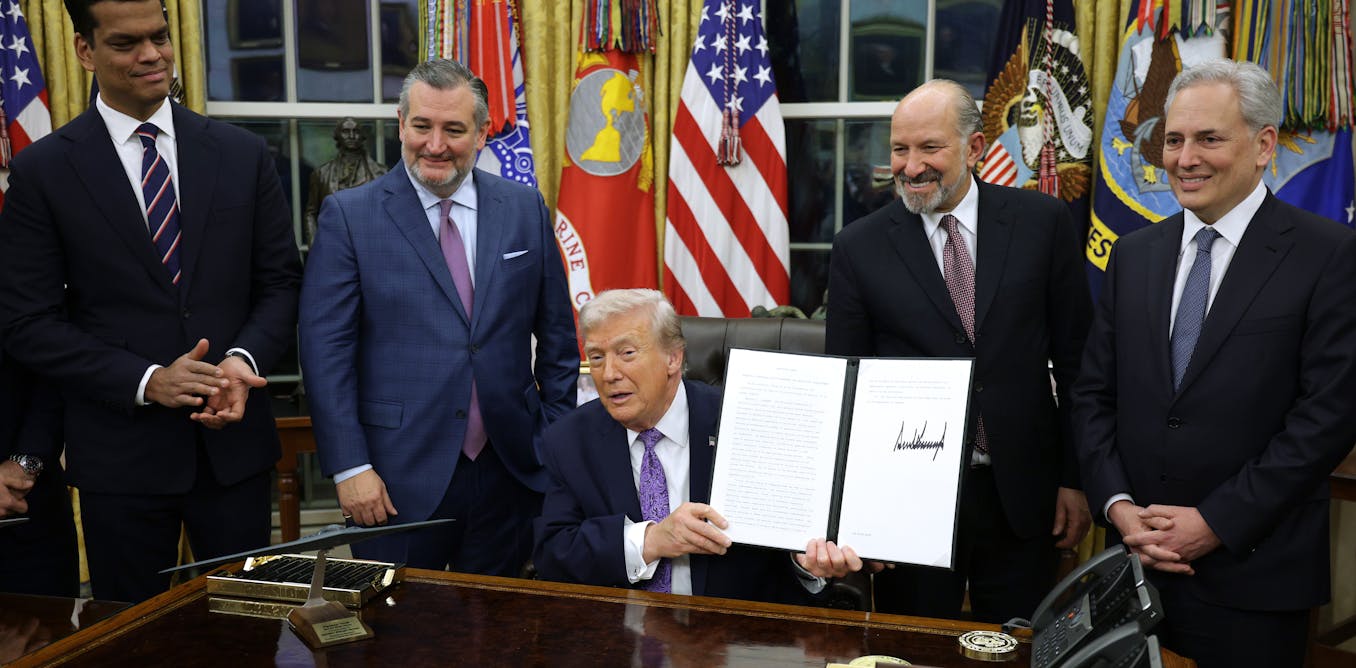
A recent federal executive order on AI aims to establish national standards and guidelines. However,its legality is being questioned. Experts suggest it might potentially be superseded by existing state laws, as only Congress has the authority to override state legislation. The order itself directs federal officials to propose legislation to address this potential conflict.
What This Means for You
The evolving AI regulatory landscape has implications for everyone.
* For Businesses: Staying informed about state-level regulations is paramount. Adopting responsible AI frameworks, documenting compliance efforts, and prioritizing transparency are crucial steps to mitigate risk and build trust.
* For Consumers: Be aware of your rights. Look for disclosures when interacting with generative AI systems. Exercise critical thinking and don’t blindly trust information provided by AI.
* For Everyone: Engage in the conversation. Support policies that promote responsible AI development and protect your interests.
Looking Ahead
The regulation of AI is a dynamic process. We can expect to see continued legislative activity at both the state and federal levels. The key will be finding a balance between fostering innovation and safeguarding against potential harms. staying informed and actively participating in the discussion are essential to shaping a future where AI benefits all of society.
Resources:
Keep reading