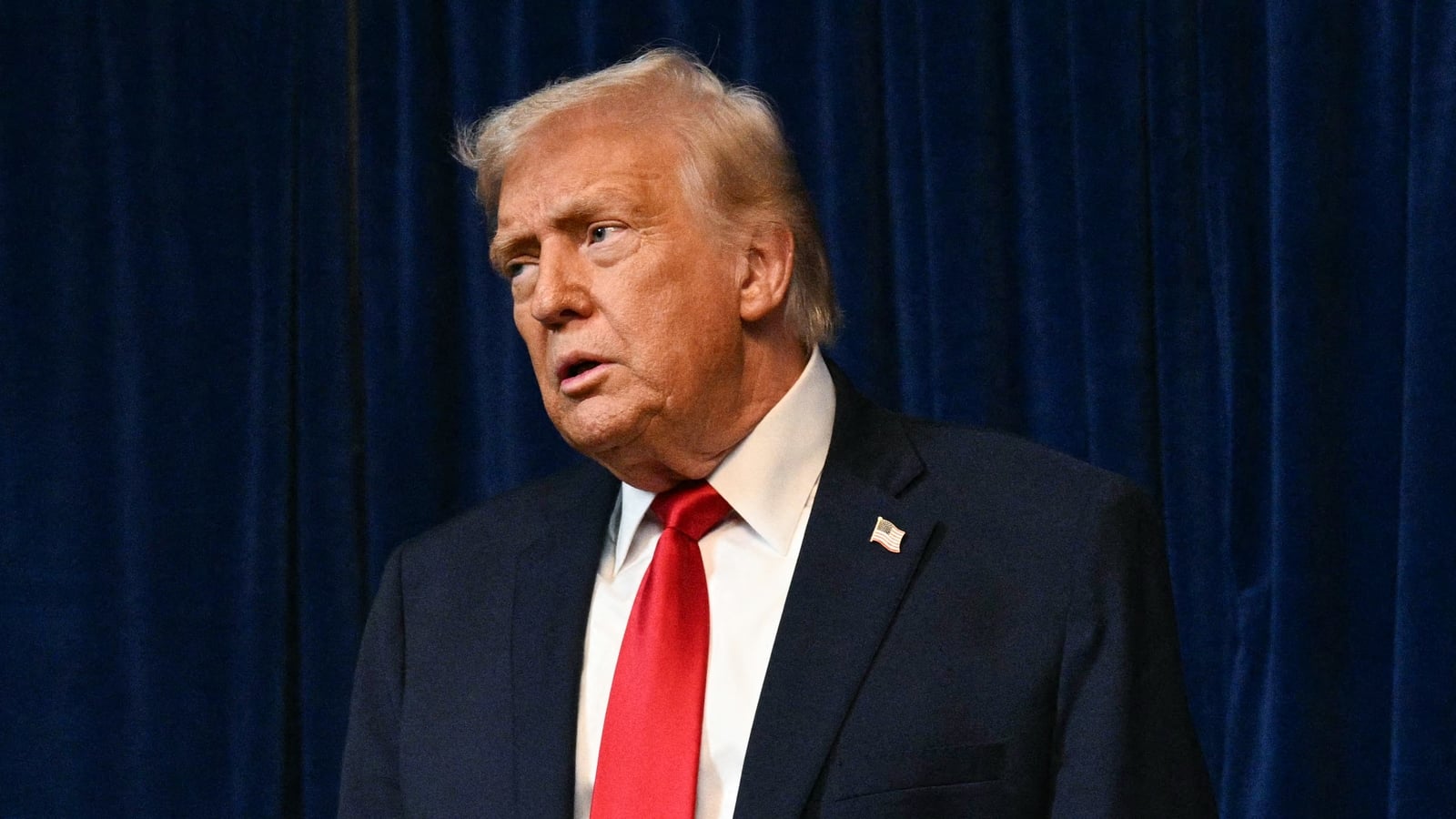
Donald Trump‘s Health Updates: Aspirin Dosage, Scans & Age Concerns
Is former President Donald Trump prioritizing perceived heart health benefits over medical advice? Recent reports indicate the 79-year-old is taking a higher-than-recommended daily dose of aspirin, sparking questions about his overall health management. This isn’t simply a matter of personal choice; it touches upon crucial considerations for seniors, preventative cardiology, and the public’s right to no about the well-being of potential leaders. Understanding the nuances of aspirin therapy, especially in older adults, is vital. This article delves into the details of Trump’s self-medication, the medical rationale behind it, and what it signifies for his health and the broader conversation around presidential fitness.
Did You Know? A 2023 study published in the new England Journal of Medicine found that the benefits of daily aspirin for primary prevention of cardiovascular events are significantly reduced in adults over 70, and the risk of bleeding increases.
The Aspirin Revelation & Dosage Debate
In a recent interview with the Wall Street Journal, former President Trump revealed he’s taking 325mg of aspirin daily – a significantly higher dose than the commonly recommended 81mg for cardiac prevention. He justified this by stating his desire for “nice, thin blood pouring through my heart.” While aspirin is known for its blood-thinning properties, reducing the risk of heart attack and stroke, self-adjusting dosage can be hazardous.
His physician, Dr. Sean Barbabella, confirmed the 325mg dosage, stating it’s for cardiac prevention.However, this raises eyebrows given current medical guidelines. The Mayo Clinic clearly states a low-dose aspirin is typically 81mg.Why the discrepancy? Is this a personalized treatment plan, or a case of a patient exceeding medical recommendations?
Pro Tip: Never adjust your medication dosage without consulting your doctor. Even seemingly harmless over-the-counter drugs like aspirin can have serious side effects when taken incorrectly.
Beyond Aspirin: Scans, Bruises & Age as a Factor
The aspirin revelation isn’t occurring in a vacuum.Concerns about Trump’s health have been simmering for months. Visible bruising on his hands, reports of an MRI (later clarified as a CT scan), and instances of appearing to doze off during public events have fueled speculation.
The White House attributed the bruising to frequent handshaking, and Dr. Barbabella described the CT scan as a preventative measure to “definitively rule out any cardiovascular issues.” The scan reportedly revealed no abnormalities. However, the initial confusion regarding the type of scan (MRI vs. CT) raises questions about openness and attention to detail.
At 79, trump is among the oldest individuals to have held the presidency. Age is a significant factor when evaluating health risks. As we age, our bodies become more susceptible to the side effects of medications, and the benefits of preventative treatments may diminish. This is particularly relevant when considering geriatric health and the complexities of managing chronic conditions in older adults. The debate surrounding President Biden’s age and fitness for office last year further underscores the public’s interest in the health of potential leaders.
Did You Know? According to the CDC, heart disease is the leading cause of death for men and women in the United States, but preventative measures and early detection can significantly reduce risk.
Understanding Aspirin Therapy & Cardiovascular Risk
Aspirin therapy isn’t a one-size-fits-all solution. Its effectiveness depends on individual risk factors, including age, medical history, and the presence of other health conditions. While it can be beneficial for secondary prevention (preventing another event in someone who’s already had a heart attack or stroke), its role in primary prevention (preventing a first event) is increasingly debated, especially in older adults.
Recent research, like the ASCEND trial (a
Related reading