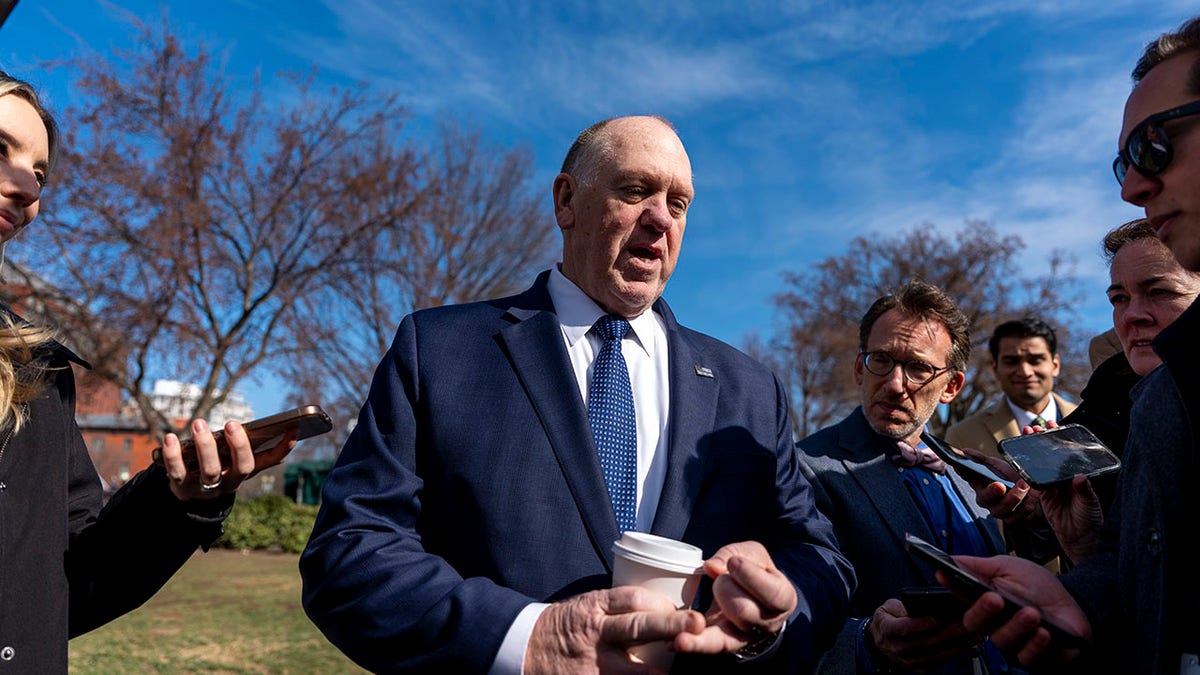
As the landscape of United States immigration policy undergoes significant shifts, the role of Tom Homan, often referred to as the “border czar,” has moved to the forefront of national discourse. Homan, a veteran of federal law enforcement, has emerged as a primary figure in the administration’s efforts to manage border security and detention operations. His recent activities, particularly regarding the Delaney Hall immigration detention facility in New Jersey, have highlighted the intense friction between federal enforcement priorities and public allegations of substandard living conditions.
The role of Tom Homan as a central negotiator and strategist in these immigration battles reflects a broader, more aggressive approach to border management. By positioning himself as a direct intermediary between policy directives and facility-level implementation, Homan has become the focal point for both the administration’s proponents and its most vocal critics. This scrutiny intensified following reports from detainees alleging inhumane conditions, a claim that Homan has publicly and consistently denied.
Defending Conditions at Delaney Hall
The controversy surrounding Delaney Hall centers on conflicting accounts of the facility’s environment. Detainees at the center have formally alleged, through correspondence and legal documentation, that the facility is plagued by issues of retaliation and poor treatment, with some descriptions characterizing the conditions as unfit for human habitation. These allegations have sparked a wider investigation into the standards maintained at Immigration and Customs Enforcement (ICE) detention centers across the country, as mandated by the ICE Performance-Based National Detention Standards.

In response to these claims, Homan has taken a personal approach to the defense of the facility. During recent public appearances, he asserted that he conducted an unannounced visit to the site to inspect the conditions firsthand. When questioned about the quality of the sustenance provided to those detained, Homan offered a starkly different account than that of the detainees. “The spaghetti was good,” Homan remarked, emphasizing that his direct experience contradicted the reports of hunger strikes and nutritional neglect.
The Department of Homeland Security (DHS) has further complicated the narrative surrounding the reported hunger strikes. Officials have suggested that records of commissary snack purchases by detainees at the facility cast doubt on the veracity of the claims that individuals were refusing all food. While the government maintains that these purchase records indicate ongoing consumption, advocates for the detainees argue that such actions do not negate the underlying complaints regarding the broader quality of care and the environment within the facility.
The Evolution of the “Border Czar” Role
Homan’s trajectory from a career official to a key political negotiator is emblematic of the current administration’s reliance on seasoned enforcement figures to handle complex immigration challenges. His expertise, honed over decades of service, allows him to navigate the bureaucratic intricacies of the Department of Homeland Security while serving as an effective public face for administration policy. For those interested in tracking the official updates regarding these policies, the Department of Homeland Security website serves as the primary portal for policy announcements and regulatory filings.
The effectiveness of this strategy—using a centralized figure to manage high-stakes immigration battles—remains a subject of intense political debate. Supporters view the appointment as a necessary consolidation of authority to address border security, while critics argue that it centralizes power in a way that minimizes transparency and accountability. As Homan continues to represent the administration’s stance on these issues, the gap between official government reporting and the testimonies of those within the detention system continues to widen.
What Happens Next?
The situation at Delaney Hall and the broader debate over detention conditions are expected to face continued scrutiny from oversight bodies and legal advocacy groups. With detainees continuing to file reports of retaliation and abuse, the pressure on the administration to provide comprehensive evidence of facility compliance is mounting. The next major checkpoint for these discussions will likely occur during upcoming congressional oversight hearings, where officials may be required to present detailed reports on the Government Accountability Office’s findings on detention center operations.
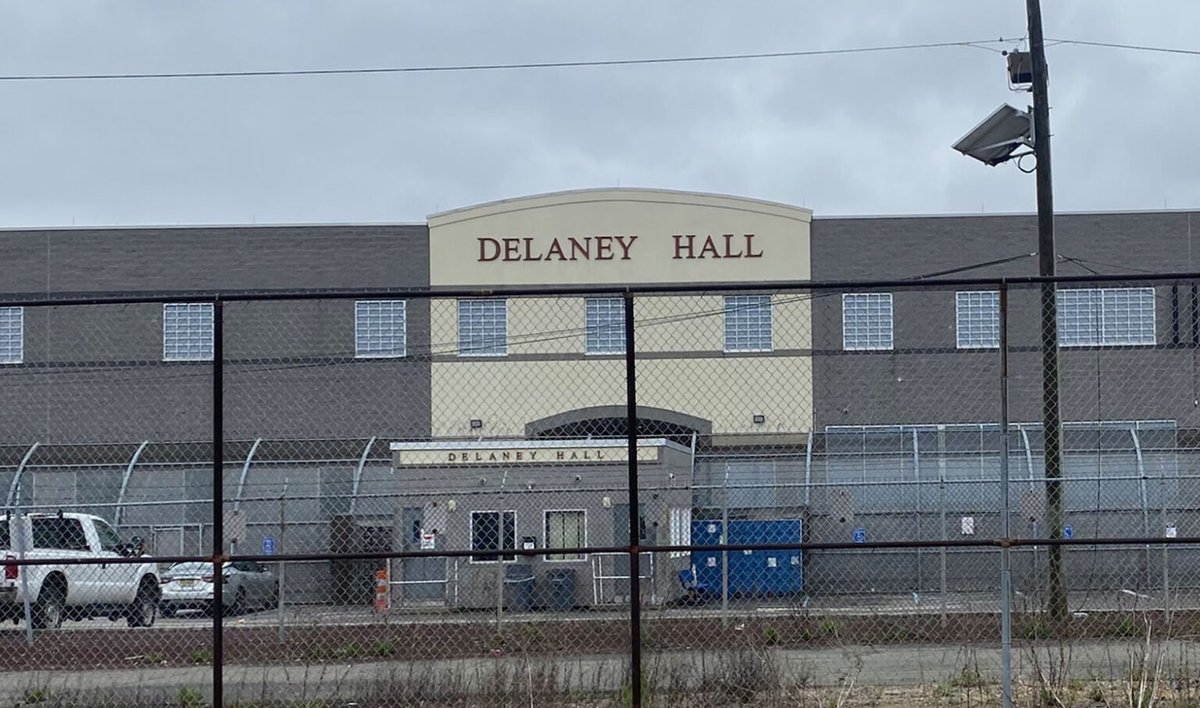
For observers of national immigration policy, the developments at Delaney Hall serve as a microcosm for the larger, ongoing struggle over the balance between national security objectives and the protection of human rights in the detention system. As more information becomes available through official channels and legal filings, the role of figures like Homan will remain central to the narrative. We encourage our readers to share their thoughts on these developments and continue to follow our coverage for further updates as this story evolves.
Worth a look
- Résumé vidéo : Marseille – Nice (0-3)
- Oregon fire looms near town as 4th firefighter dies weeks after Colorado blaze – AP News
- Trump Threatens Iran as Houthi Tanker Attacks Push Oil Prices Above $100 (time.news)
- Trump Discusses the Speech He Almost Gave Before Assassination Attempt (newsdirectory3.com)