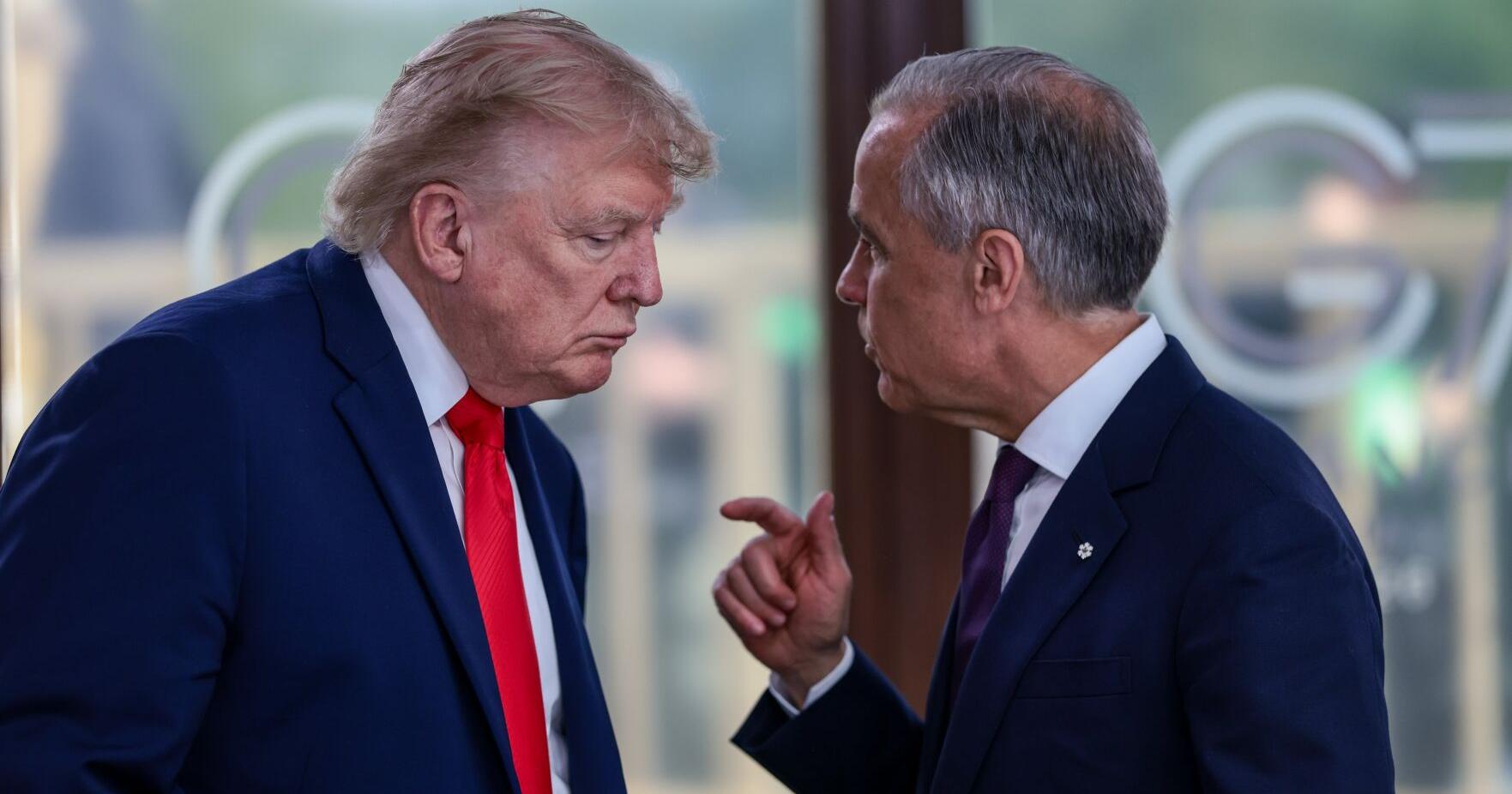
U.S. President Donald Trump’s threatened 50 per cent tariffs on about $28 billion in Canadian goods are widely expected to face legal defeat in U.S. courts. Trade experts note the levies bypass the USMCA dispute process and run into severe hurdles under Section 338 of the Tariff Act of 1930.
Trade law experts and economists are warning that the sweeping 50 per cent import duties announced by Washington against Canada will likely face swift legal challenges and fail in court under rigorous legal scrutiny. The threatened tariffs, which target items ranging from hockey sticks and wine to dairy products and cement, are scheduled to take effect on August 19, according to comprehensive reporting from AP News.
Legal Obstacles Facing Section 338 Tariffs
Unlike previous tariff actions executed under emergency economic powers, the new duties rely on Section 338 of the Tariff Act of 1930. While the statute explicitly mentions presidential tariff authority, legal analysts emphasize that the White House must clear a steep evidentiary hurdle to justify the move.
The administration must demonstrate that Canada engages in active trade discrimination that places U.S. exporters at an unfair disadvantage compared to other nations. Legal specialists point out the fundamental contradiction in this claim.
Trade lawyer Marc Wheat noted that while the strongest argument for Washington might be Canada’s high tariffs on U.S. goods and not other countries, the administration will struggle to prove disproportionate impact or factual justification. Supreme Court are anticipated by legal observers to find the emergency rationale lacking, mirroring the constitutional limits placed on presidential taxation authority earlier this year.
Economic Fallout and Sector Impact Across Borders
Economists calculate that the proposed levies encompass roughly five per cent of total Canadian goods exported annually to the United States. Randall Bartlett, deputy chief economist with Desjardins, estimated that the tariffs will impact approximately $28 billion Canadian ($19.8 billion) in yearly trade. While a broad recession is not projected, the restrictions threaten to shave two to three tenths of a percentage point off Canadian economic growth across 2026 and 2027.

Energy products, potash, fish, and critical minerals remain exempt from the 50 per cent duties. However, the measures directly target sectors previously shielded under the United States-Mexico-Canada Agreement (known in French as l’ACEUM). Dennis Barby, president and CEO of Canadian Manufacturers and Exporters, warned that the duties will raise costs and disrupt production across both countries.
Political Blame Games Over Wildfire Smoke
The tariff escalation coincides with heated political rhetoric regarding cross-border environmental issues. Donald Trump publicly criticized Canadian forest management after dense smoke from nearly 1,000 active wildfires triggered hazardous air quality alerts across major northeastern U.S. cities, asserting that Canada should pay damages or face trade penalties.
Scientific experts have strongly rejected the mismanagement narrative.
Strategic Response and Ongoing Negotiations
Canadian Prime Minister Mark Carney and provincial leaders gathered in Charlottetown, Prince Edward Island, to formulate a coordinated strategy. Carney urged caution against premature retaliatory escalation.
Carney confirmed that he and Trump have agreed to intensify trade talks.