

The intersection of high-stakes diplomacy and global market volatility is set to reach a fever pitch as President Donald Trump prepares for a high-profile mission to China. In a move that signals a potent blend of economic statecraft and corporate advocacy, the administration is assembling a delegation of the world’s most influential technology leaders to engage with Chinese officials during an upcoming summit with President Xi Jinping.
This is not merely a diplomatic visit; We see a strategic deployment of American industrial might. The inclusion of titans from the semiconductor, automotive, and consumer electronics sectors suggests that the administration is looking to leverage the immense market influence of private enterprise to navigate the increasingly complex landscape of U.S.-China trade relations. For global investors and policymakers alike, the composition of this delegation offers a roadmap for the administration’s approach to technological competition and market access.
The delegation’s roster includes some of the most recognizable names in the global economy, signaling a concerted effort to address the critical friction points between American innovation and Chinese market integration. By bringing these leaders directly to the negotiating table, the White House is positioning the interests of the most capital-intensive sectors of the U.S. Economy at the very center of the bilateral dialogue.
The Semiconductor Frontier: Jensen Huang and the AI Stakes
Perhaps the most significant addition to the mission is Nvidia CEO Jensen Huang. His inclusion, described as a late addition to the delegation, underscores the critical importance of the semiconductor industry in the current geopolitical climate. As the global race for artificial intelligence supremacy intensifies, the control and distribution of high-performance computing hardware have become central to national security and economic dominance.
Nvidia sits at the epicenter of this technological shift. The company’s role in providing the hardware necessary for advanced AI training and deployment makes its relationship with China a primary concern for both Washington, and Beijing. The presence of Huang suggests that discussions in China will likely touch upon the delicate balance between maintaining robust export controls on sensitive technologies and ensuring that American semiconductor firms retain access to one of the world’s largest markets for high-end computing.
For the broader tech sector, Huang’s participation is a bellwether. The semiconductor industry is currently navigating a minefield of regulatory hurdles and shifting trade policies. A successful mission that clarifies the boundaries of technological exchange could provide much-needed certainty for companies that are heavily invested in the global supply chain and the rapid expansion of AI infrastructure.
Navigating the Supply Chain: Tim Cook and Elon Musk
The delegation also features two leaders whose companies are deeply intertwined with the Chinese economic ecosystem: Apple CEO Tim Cook and Tesla CEO Elon Musk. Their presence highlights the dual reality of modern American corporations—they are engines of domestic innovation that are also inextricably linked to Chinese manufacturing and consumer demand.
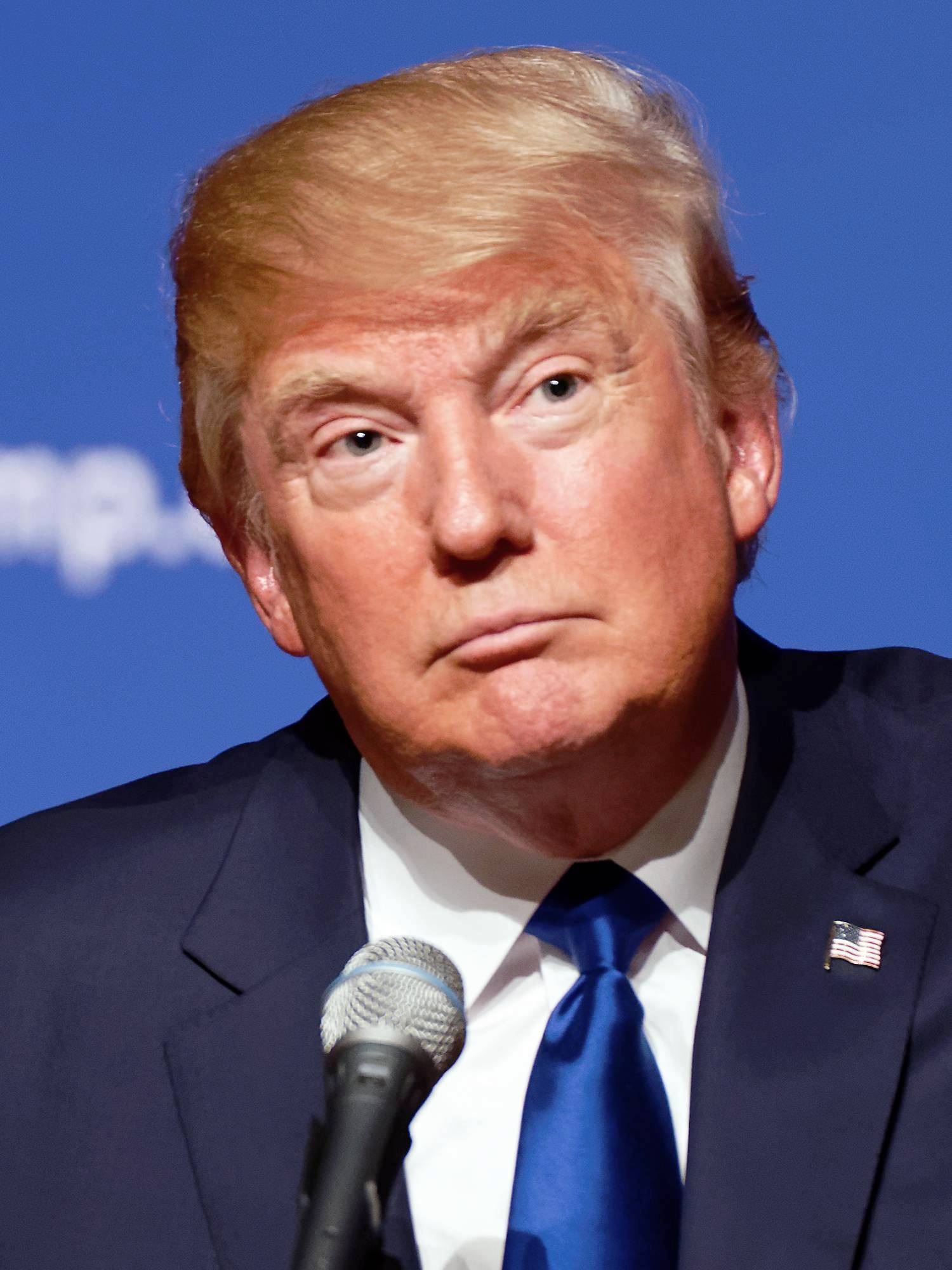
Tim Cook has long been a master of navigating the complexities of global supply chains. For Apple, China is not just a massive consumer market but also a critical hub for production and component sourcing. Cook’s participation in the summit is expected to focus on the stability of these supply chains and the potential for continued, albeit more regulated, cooperation in the consumer electronics space.
Similarly, Elon Musk’s involvement brings the automotive and energy transition sectors into the fold. Tesla’s significant footprint in China, including its advanced manufacturing facilities, makes the company a vital stakeholder in any discussion regarding trade tariffs, electric vehicle (EV) standards, and the broader transition to sustainable energy. Musk’s presence suggests that the administration is prepared to address how American leadership in EVs and automated driving technology can coexist with China’s rapid advancements in the same fields.
The participation of Cook and Musk serves as a reminder that in the modern era, corporate strategy and national foreign policy are increasingly inseparable. The success of these companies is often a litmus test for the health of the broader U.S.-China economic relationship.
Strategic Implications for Global Markets
The sheer scale of economic influence represented by this delegation cannot be overstated. When the leaders of the world’s most valuable technology firms travel together under the auspices of the presidency, the markets take notice. The primary objective appears to be the pursuit of “economic diplomacy”—using the weight of American corporate success to shape the terms of engagement in the Indo-Pacific region.

For global markets, the summit represents a period of heightened uncertainty followed by potential clarity. Investors are looking for signals regarding:
- Export Control Clarity: Will there be new frameworks for the sale of AI-capable hardware and advanced semiconductors?
- Tariff Stability: Can the administration negotiate relief or stability for key tech sectors currently caught in trade crossfires?
- Market Access: Will Chinese regulatory environments become more predictable for American firms in the automotive and consumer tech sectors?
The administration’s strategy seems to be one of “managed competition.” By bringing these CEOs to China, the White House is attempting to ensure that while the U.S. Maintains its technological edge, it does not unnecessarily hamstring the companies that drive its economic growth and innovation leadership.
Key Takeaways from the Delegation
- High-Tech Focus: The inclusion of Nvidia’s Jensen Huang highlights the primacy of semiconductor technology and AI in the U.S.-China relationship.
- Corporate-Diplomatic Synergy: The mission represents an attempt to align American corporate interests with national strategic objectives.
- Supply Chain Resilience: The presence of Apple and Tesla leaders underscores the importance of managing complex, China-dependent manufacturing networks.
- Economic Signaling: The delegation is a clear signal to Beijing that the U.S. Intends to protect its technological leadership while seeking stable economic engagement.
As the delegation prepares to depart, the world will be watching to see if this high-powered group can translate corporate influence into meaningful diplomatic progress. The outcome of the summit will likely define the trajectory of the global tech economy for years to come.
Next Steps: Official confirmation of the summit’s itinerary and any preliminary statements from the White House or the participating corporations are expected in the coming days.
What do you think the impact of this tech-heavy delegation will be on global markets? Share your thoughts in the comments below and subscribe to World Today Journal for more expert analysis on global economic policy.