
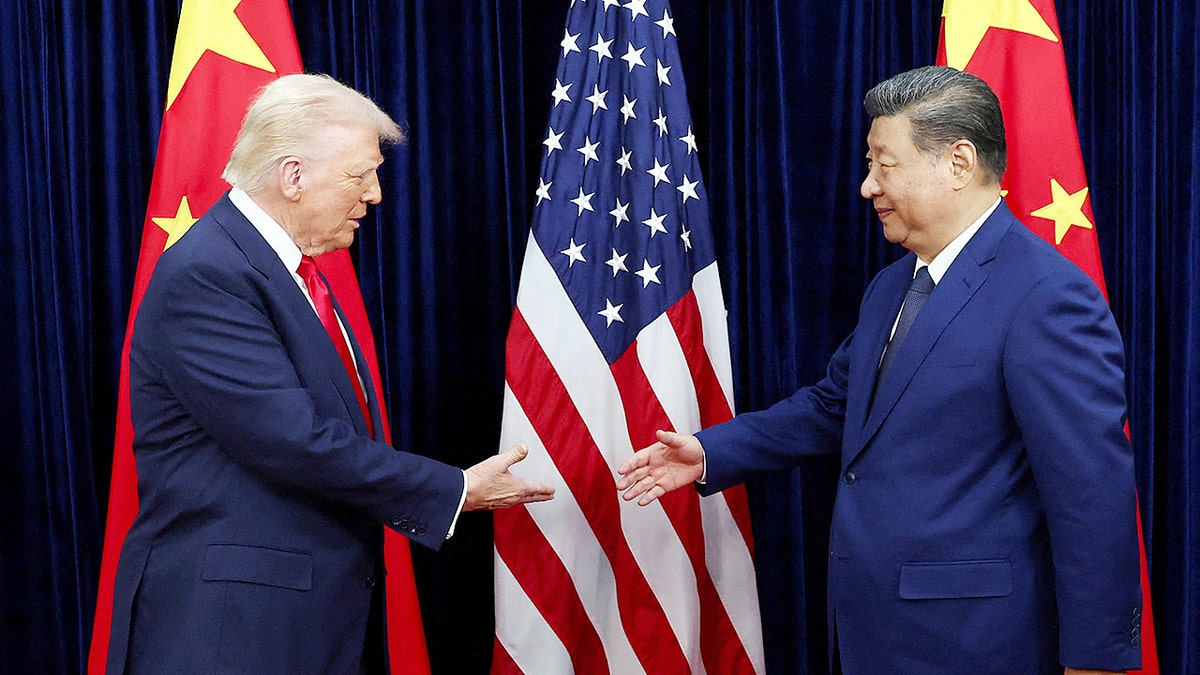
BEIJING — President Donald Trump has departed China following a high-stakes summit with President Xi Jinping, a visit characterized by grand diplomatic pageantry and lavish ceremonies but marked by a notable absence of substantive breakthroughs on the most volatile issues in the U.S.-China relationship.
While the summit featured significant displays of protocol and mutual respect—including a visit by President Trump to the secretive Zhongnanhai Garden—the core tensions regarding regional security and Middle Eastern stability remain unresolved. Despite efforts to project a sense of shared understanding, the divergent accounts provided by Washington and Beijing suggest that the fundamental friction points between the two superpowers continue to persist.
The summit, which included high-level talks on May 14 at the Great Hall of the People, aimed to establish a new framework for bilateral relations. However, as President Trump left Beijing on Air Force One, the gap between diplomatic rhetoric and actionable policy was increasingly evident, particularly concerning the security of the Strait of Hormuz and the status of Taiwan.
A Vision of “Constructive Strategic Stability”
During the formal talks on the morning of May 14, President Xi Jinping framed the current global era as one of unprecedented transformation. Addressing the potential for friction between the two nations, President Xi raised questions regarding whether the United States and China could overcome the “Thucydides Trap” to create a new paradigm of major-country relations.
A central pillar of the discussions was President Xi’s proposal for a new vision of “constructive strategic stability.” This concept is intended to provide a roadmap for China-U.S. Relations over the next three years and beyond. According to the official Chinese readout, this vision is defined by four specific characteristics:
- Positive stability with cooperation as the mainstay;
- Healthy stability with competition maintained within proper limits;
- Constant stability with manageable differences; and
- Lasting stability with expectable peace.
President Xi emphasized that building this relationship is not merely a “slogan” but requires “actions in the same direction,” signaling Beijing’s desire for a relationship that prioritizes stability even amidst inherent competition.
Divergent Narratives on Iran and the Strait of Hormuz
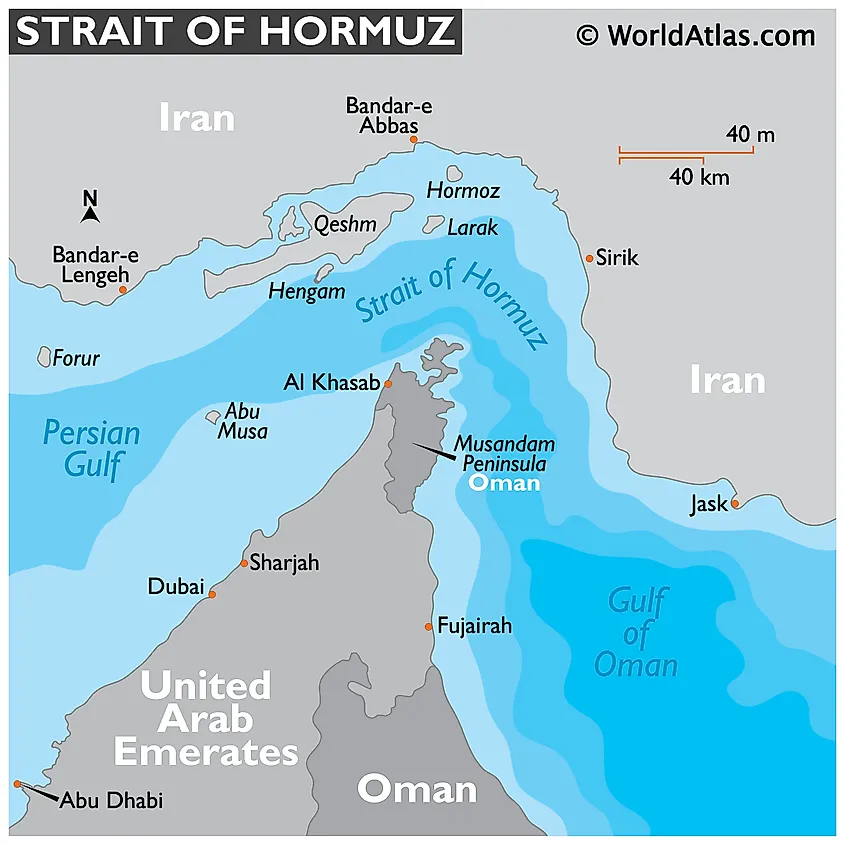
One of the most significant disconnects emerging from the summit involves the conflict in the Middle East. President Trump indicated that a primary objective of his visit was to secure Chinese leverage to influence Tehran, specifically to ensure the reopening of the Strait of Hormuz.
Speaking to reporters, President Trump suggested a high degree of alignment with his Chinese counterpart on the issue. He stated that he and President Xi feel “extremely similar on Iran” in their shared desire to see the war end and in their mutual opposition to Iran obtaining a nuclear weapon. Trump also noted that Xi had vowed not to supply Iran with military equipment.
However, these claims of alignment were not mirrored in official Chinese communications. The official readout from the Chinese side made no mention of discussions regarding Iran. When pressed by reporters, the Chinese Foreign Ministry sidestepped questions regarding whether the conflict or the Strait of Hormuz had been discussed at all. This discrepancy leaves the actual level of Chinese cooperation on Iranian regional influence in question.
Taiwan and the Risk of Military Conflict
The issue of Taiwan remains perhaps the most dangerous flashpoint in the bilateral relationship. During the summit, President Xi delivered a stark warning regarding the potential consequences of mishandling the Taiwan issue, stating that failing to manage the situation properly could lead to “clashes and even conflicts” between the United States and China.
While the rhetoric from Beijing was clear, the U.S. Position remained non-committal. Aboard Air Force One during his departure, President Trump told reporters that he had made “no commitment either way” regarding Taiwan. He further noted that any decisions concerning future U.S. Arms sales to the region had not yet been finalized.
The lack of a definitive stance on arms sales or a shared protocol for managing the Taiwan Strait suggests that, despite the “pomp and pageantry” of the summit, the fundamental security architecture of the Indo-Pacific remains in a state of high tension.
Summit Outcomes at a Glance
| Issue Area | U.S. Position / Claim | China Position / Response | Status |
|---|---|---|---|
| Strategic Relation | Emphasis on personal rapport and “being on the same page.” | Proposed “constructive strategic stability” framework. | Framework established; implementation pending. |
| Iran & Middle East | Claims of shared goals regarding nuclear proliferation and the Strait of Hormuz. | Official readout made no mention of Iran; Ministry sidestepped questions. | Unresolved / Discrepant accounts. |
| Taiwan Security | No commitment made; arms sales decisions pending. | Warned of potential “clashes and even conflicts.” | High tension / No breakthrough. |
As the diplomatic mission concludes, the international community remains watchful. While the summit provided a platform for high-level dialogue and the introduction of a new strategic vision from Beijing, the absence of concrete agreements on security matters suggests that the “giant ship” of China-U.S. Relations continues to navigate turbulent waters.
The next scheduled checkpoint for these developments will be the official release of subsequent policy statements from the U.S. State Department regarding arms sales and regional security.
What are your thoughts on the outcomes of the Trump-Xi summit? Do you believe the proposed “strategic stability” can hold? Share your comments below and share this article with your network.