In a display of diplomatic grandeur and high-stakes geopolitics, President Donald Trump recently concluded a state visit to Beijing, marking a pivotal moment in the complex relationship between the world’s two largest economies. The visit, characterized by lavish ceremonies and the presence of some of the globe’s most influential tech leaders, sought to bridge ideological divides through a mixture of cultural homage and strategic dialogue.
The summit was defined by an atmosphere of extreme hospitality, as President Xi Jinping hosted the U.S. Leader with a series of events designed to signal a desire for stability and mutual respect. From a gun salute upon arrival to a tour of ancient landmarks, the imagery of the trip underscored the symbolic weight of the encounter, even as both leaders navigated the fraught realities of international trade and domestic pressures.
For global observers, the visit was more than a mere diplomatic formality. It served as a litmus test for the current administration’s approach to China, blending the “Make America Great Again” philosophy with the Chinese government’s goals of national rejuvenation. The presence of key industrial titans alongside government officials suggested that the dialogue extended far beyond traditional diplomacy, touching upon the critical intersections of technology, artificial intelligence, and global supply chains.
A Welcome of Unprecedented Scale
Upon landing in Beijing, President Trump was greeted by a red carpet and a reception featuring youths waving both American and Chinese flags, accompanied by Vice President of China Han Zheng. The scale of the welcome was immediate and imposing, featuring a gun salute and cheering children, setting a tone of choreographed harmony for the two-day summit.

A central highlight of the cultural exchange was a tour of the 15th Century Temple of Heaven, a site of immense historical and spiritual significance in China. This gesture of cultural openness provided a backdrop for the leaders to engage outside the confines of official meeting rooms, emphasizing the “historic” nature of the visit as described by the Chinese leadership.
President Trump responded to the reception with characteristic enthusiasm, describing the experience as a “magnificent welcome like no other,” according to reports from the BBC. This public appreciation for the hospitality suggests a tactical move to build personal rapport with President Xi, a strategy often employed by Trump to facilitate negotiations.
Power and Plate: The Great Hall of the People Banquet
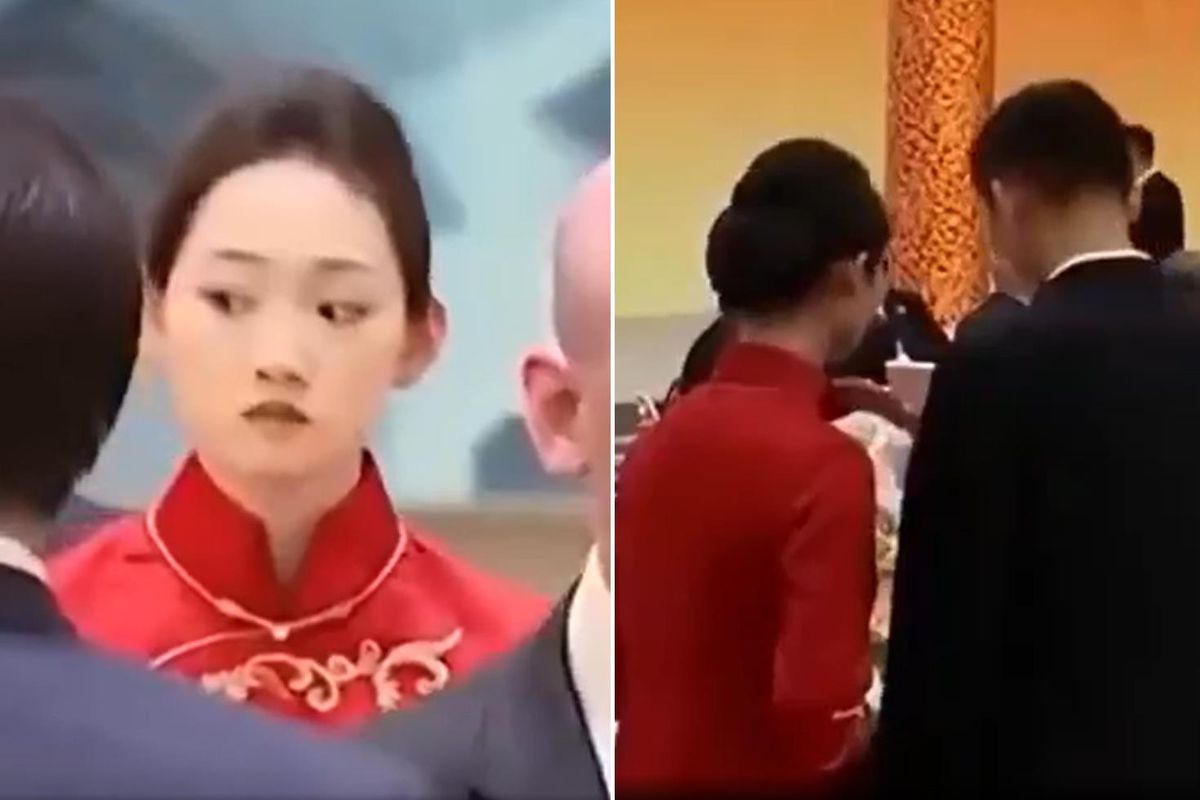
The diplomatic efforts culminated in a lavish banquet held on Thursday evening at the Great Hall of the People. The event was not only a culinary showcase but a gathering of immense economic power. The guest list revealed the deep integration of U.S. Corporate interests in the Chinese market, with tech giants and government officials sharing the same table.
Among the high-profile attendees were Tesla CEO Elon Musk—who was accompanied by his son, X Æ A-12—Apple CEO Tim Cook, and Nvidia CEO Jensen Huang. The presence of these specific leaders highlights the critical importance of semiconductors and electric vehicle technology in the current US-China bilateral framework. Joining them were U.S. Defence Secretary Pete Hegseth, as well as Eric and Lara Trump, signaling a mix of national security and family-led diplomatic presence.
The banquet menu itself was a curated blend of tradition, and luxury. According to BBC reporters, the main courses included Beijing roast duck, lobster in tomato soup, and pan-fried pork buns. The dessert course featured tiramisu and a uniquely themed trumpet shell-shaped pastry, reflecting the attention to detail invested in the event’s presentation.
Defining the “Historic” Partnership
During his banquet speech, President Xi Jinping framed the summit as a critical juncture for global stability. He asserted that China-US relations are the most important bilateral relations in the world, noting that their trajectory affects the well-being of two countries with a combined population of 1.7 billion people and the interests of over 8 billion people globally, as reported by the BBC.
In a notable rhetorical alignment, President Xi suggested that “the great rejuvenation of the Chinese nation” and “Make America great again” could “go hand in hand.” This phrasing indicates a willingness by the Chinese leadership to adopt the language of the U.S. Administration to find common ground, framing the success of both nations as complementary rather than contradictory.
While the rhetoric remained positive, the underlying tensions of the relationship—ranging from trade deficits to territorial disputes—remain. However, the summit’s focus on “historic” cooperation suggests a temporary pivot toward stability, prioritizing economic continuity over immediate confrontation.
Domestic Realities and the Road Ahead
Despite the splendor of the Beijing summit, the return to Washington D.C. Brought President Trump back to a challenging domestic economic landscape. Reports from AP News indicate that the President returned to face escalating inflation, a stark contrast to the controlled environment of the Chinese state visit. This shift highlights the ongoing struggle to balance international diplomatic wins with the immediate financial pressures facing American consumers.
The visit did, however, produce a tangible next step in the diplomatic calendar. President Trump extended an invitation to President Xi and his wife, Peng Liyuan, to visit the White House on September 24. This upcoming visit will likely be the venue where the broad promises of the Beijing summit are translated into specific policy agreements or trade concessions.
As the world watches the fallout of this summit, the intersection of corporate interests—represented by the presence of Musk, Cook, and Huang—and state diplomacy will remain the primary driver of the relationship. The ability of both leaders to maintain this cordiality in the face of domestic economic volatility will determine if this “historic” visit leads to a lasting detente or remains a momentary exercise in diplomatic theater.
The next confirmed checkpoint for this bilateral relationship will be the scheduled visit of President Xi Jinping and Peng Liyuan to the White House on September 24.
We invite our readers to share their perspectives on the impact of this summit in the comments below. Do you believe the alignment of “national rejuvenation” and “MAGA” is a sustainable diplomatic strategy? Share this article to join the conversation.