US-India Trade Tensions Rise: Will Tariffs Escalate Over Russian Oil?
The relationship between the United States and India is facing a critical juncture. Recent statements from former President Donald Trump signal a potential escalation in trade tensions, hinging on India’s continued purchases of Russian oil. But what does this mean for you, as a buisness owner, investor, or simply someone following global economics? Let’s break down the situation.
The Core of the Dispute
The US has expressed strong disapproval of India’s increasing reliance on Russian oil, especially following the invasion of Ukraine. Last year, Washington responded by doubling import tariffs on Indian goods too 50%. Despite this notable increase, India’s exports to the US actually increased in November, a surprising advancement that has seemingly emboldened Indian officials.
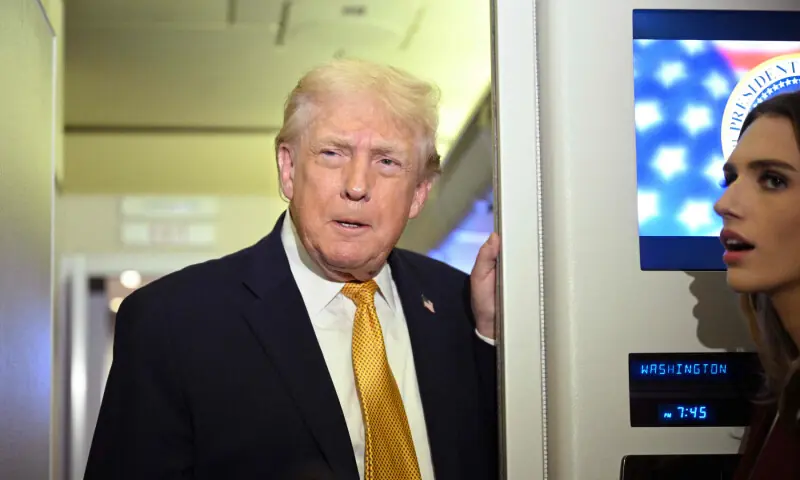
Trump, speaking aboard Air Force One, indicated a willingness to further raise tariffs if New Delhi doesn’t adequately address US concerns. He framed the issue personally, stating, “Modi is a good guy. He knew I was not happy, and it was critically important to make me happy.” This highlights the personalized nature of the negotiations and the potential for unpredictable outcomes.
India’s Position: A Balancing Act
India finds itself in a complex position. It’s a major energy consumer and relies heavily on oil imports. Russia has become a key supplier,offering discounted prices that are crucial for India’s economic stability. However, maintaining a strong relationship with the US - a vital trade partner - is also paramount.
Currently, India is attempting to navigate this delicate balance. Recent actions suggest a willingness to compromise, including:
* Increased Transparency: India is now requesting weekly disclosures from refiners regarding their purchases of both Russian and US oil.
* Potential Import Reduction: Sources indicate that Russian crude imports could fall below 1 million barrels per day as India seeks a trade deal with Washington.
* Ongoing Dialogue: Prime Minister Modi and Trump have engaged in at least three phone conversations as the initial tariffs were imposed, though these discussions have yet to yield a definitive resolution.
What’s Happening Now?
negotiations are ongoing.In December, India’s Commerce Secretary Rajesh Agrawal met with US Deputy Trade Representative Rick Switzer in Delhi to discuss bilateral trade and economic ties.While details of these discussions remain largely confidential, they represent a continued effort to find common ground.
However, Indian officials have signaled limited versatility in certain areas, such as agricultural imports. This suggests a firm stance and a willingness to withstand some level of US pressure.
Implications for You
This trade dispute has potential ramifications across various sectors:
* Businesses: Companies involved in US-India trade could face increased costs and logistical challenges due to potential tariff hikes.
* Investors: Market volatility is likely as the situation unfolds. Investors should closely monitor developments and assess potential risks.
* Consumers: Higher tariffs could translate to increased prices for certain goods.
* Energy Markets: Shifts in India’s oil import patterns could impact global oil prices and supply chains.
Looking Ahead: Will a Deal Be Reached?
The outcome of this dispute remains uncertain. Several factors will influence the final resolution:
* Geopolitical Considerations: The broader geopolitical landscape, including the ongoing conflict in Ukraine, will play a significant role.
* Economic Pressures: Both the US and India face domestic economic pressures that could influence their negotiating positions.
* Political dynamics: The political climate in both countries, particularly with upcoming elections, could impact decision-making.
Evergreen Insights: Understanding Trade Wars & Geopolitics
Trade disputes are a recurring feature of the global economy. They often stem from imbalances in trade relationships, differing economic priorities, and geopolitical tensions. understanding the underlying dynamics of these conflicts is crucial for navigating an increasingly complex world.
Here are some key takeaways:
* Tariffs are a blunt instrument: While intended to protect domestic industries, they can also harm consumers and disrupt supply chains.
* Negotiation is key: Successful resolution requires open dialogue, compromise, and a willingness to address the concerns of all parties involved.
* Diversification is essential: businesses should diversify their supply chains and markets to mitigate the risks associated with trade disputes.
Frequently Asked Questions (FAQ)
**1.What is the primary reason for the US to impose tariffs on Indian goods