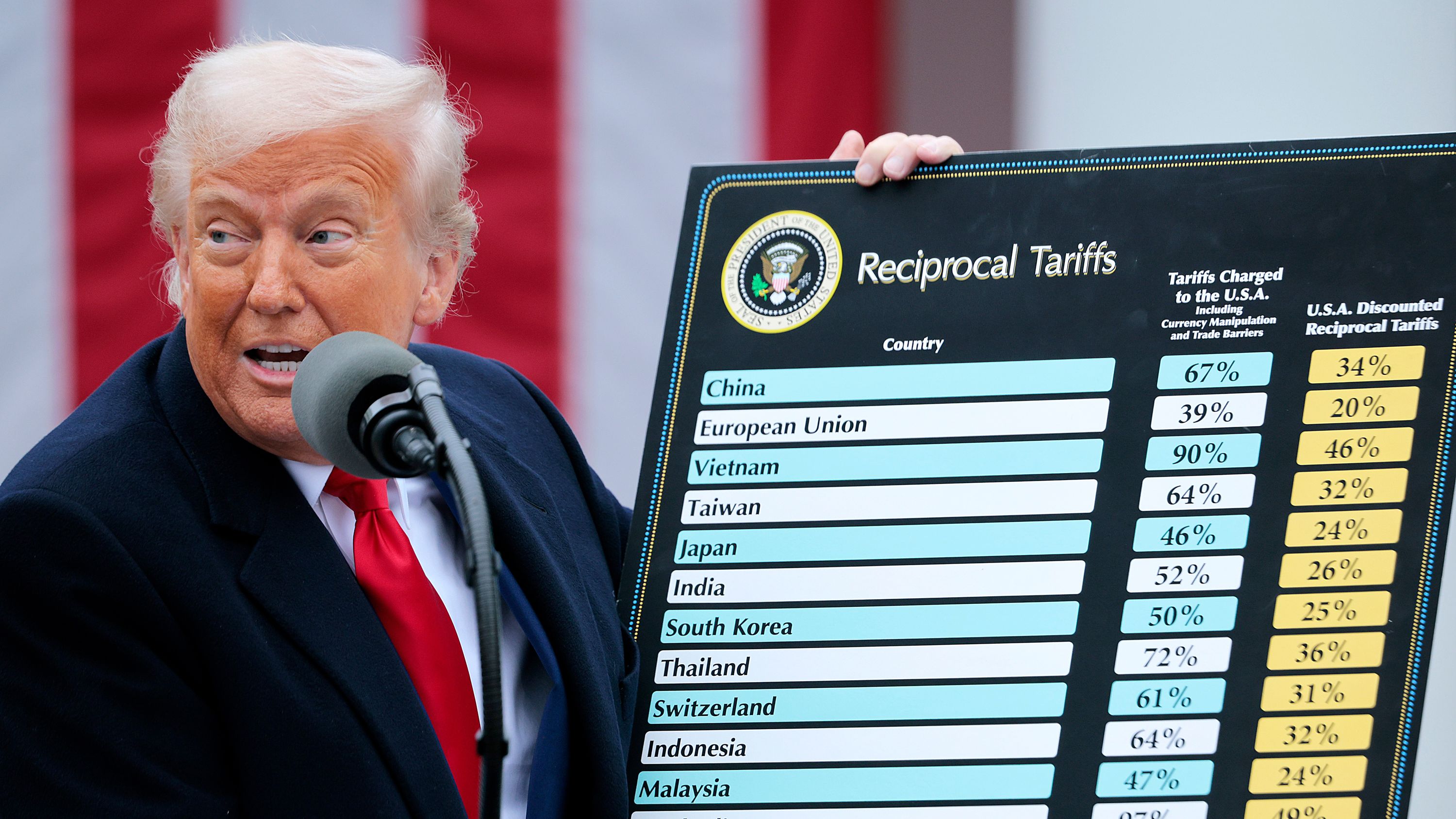
The United States has begun repaying tariffs imposed during the Trump administration after a federal court ruled they were unlawfully implemented, marking a significant reversal in trade policy. This development follows a May 2025 decision by the U.S. Court of International Trade, which found that former President Donald Trump exceeded his authority when imposing sweeping reciprocal tariffs on imports from numerous countries under the banner of “Liberation Day.” The ruling has triggered a formal repayment process for duties collected under the contested measures, affecting businesses and importers who paid the tariffs between April 2025 and the court’s decision.
The core of the legal challenge centered on whether Trump properly invoked the International Emergency Economic Powers Act (IEEPA) to justify the tariffs, which included a baseline 10% duty on nearly all imports and elevated rates up to 54% on goods from China. The Court of International Trade determined that the administration failed to demonstrate the required national emergency threshold under IEEPA, rendering the tariffs invalid. U.S. Customs and Border Protection (CBP) has initiated refund procedures for eligible filings, though the timeline and scope of repayments remain subject to ongoing administrative review.
Importers seeking restitution must submit formal claims through CBP’s eVault system, providing documentation such as entry summaries, proof of payment, and justification for exclusion under the court’s ruling. Legal experts note that the process is complex, requiring precise classification of goods under Harmonized Tariff Schedule codes affected by the original proclamation. Industry groups have urged the agency to streamline the procedure, particularly for little and mid-sized businesses that absorbed significant cost increases during the tariff period.
The financial implications are substantial, with preliminary estimates suggesting billions of dollars in collected duties may be subject to repayment. However, officials have not released an official aggregate figure, citing the individualized nature of claim assessments. The Court of International Trade’s decision was later temporarily stayed by the Federal Circuit Court of Appeals, which allowed the tariffs to remain in force during appellate proceedings—creating a layered legal landscape where some payments made during the stay period may not qualify for refund.
This situation underscores the ongoing judicial scrutiny of executive trade authority, particularly regarding the apply of emergency powers to bypass congressional oversight. The case has drawn attention from constitutional scholars and trade policy analysts who argue it reinforces the require for clearer limits on unilateral tariff actions. As of now, no further appeals have been scheduled beyond the Federal Circuit’s interim ruling, leaving the final resolution pending.
For businesses navigating this process, official guidance is available through CBP’s website and the Federal Register, where updates on claim procedures and eligibility criteria are published. Stakeholders are advised to consult legal counsel specializing in international trade law to ensure compliance with filing requirements and deadlines.
Stay informed about developments in U.S. Trade policy and legal proceedings by following authoritative sources such as the U.S. Court of International Trade and U.S. Customs and Border Protection. Share your insights or experiences with tariff refund processes in the comments below, and help others understand this evolving situation.