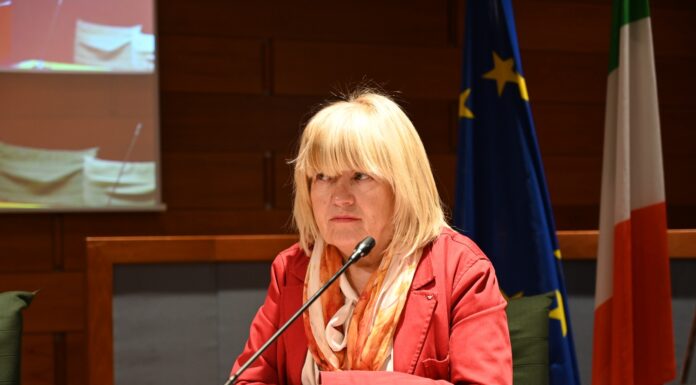
In recent discussions about healthcare infrastructure in Italy’s Emilia-Romagna region, local officials have emphasized the need to strengthen the regional network for osteoporosis prevention and care, particularly in Modena. This focus reflects growing concerns about the impact of osteoporosis on aging populations and the importance of coordinated regional health strategies in addressing chronic bone conditions.
Osteoporosis, a systemic skeletal disease characterized by low bone mass and microarchitectural deterioration of bone tissue, leads to increased bone fragility and susceptibility to fractures. According to medical sources, it most commonly affects older adults, particularly postmenopausal women, though it can occur at younger ages due to various risk factors including genetics, hormonal changes, nutritional deficiencies and certain medications.
Prevention and management of osteoporosis typically involve a multifaceted approach combining adequate nutrition—especially calcium and vitamin D intake—regular weight-bearing and muscle-strengthening exercise, fall prevention strategies, and, when indicated, pharmacological treatment. Lifestyle modifications such as avoiding smoking and excessive alcohol consumption are also recommended as part of comprehensive bone health maintenance.
In Italy, regional health systems play a key role in organizing preventive screening programs, diagnostic services like dual-energy X-ray absorptiometry (DXA) scans, and integrated care pathways for patients diagnosed with osteoporosis or identified as high-risk for fracture. Effective regional networks aim to ensure timely access to specialists, consistent follow-up, and patient education across primary and secondary care settings.
The call to strengthen Modena’s regional osteoporosis network aligns with broader national and European efforts to improve the early detection and management of musculoskeletal conditions. Health authorities in Emilia-Romagna have previously implemented initiatives focused on promoting bone health through public awareness campaigns and clinical guidelines aimed at reducing fracture-related hospitalizations.
Experts note that investing in preventive care for osteoporosis not only improves individual quality of life but also reduces long-term healthcare burdens associated with hip, vertebral, and wrist fractures—events that often lead to hospitalization, loss of independence, and increased mortality risk among older adults.
While specific details about current funding, staffing levels, or structural components of Modena’s osteoporosis network were not available in verified sources, the emphasis on enhancing regional coordination suggests a recognition of gaps in seamless care delivery that could benefit from improved integration between general practitioners, specialists, rehabilitation services, and community support programs.
Moving forward, stakeholders in Modena’s healthcare system are expected to continue evaluating the effectiveness of existing osteoporosis services and identifying opportunities for expansion, particularly in outreach to underserved populations and the implementation of fracture liaison services—a model shown to reduce secondary fractures through systematic post-fracture assessment and treatment initiation.
For residents seeking information on osteoporosis prevention and care in the Modena area, official regional health portals and local ASL (Azienda Sanitaria Locale) offices remain primary sources for updates on available screening programs, specialist referrals, and evidence-based management guidelines.
As regional health planning evolves, maintaining a focus on osteoporosis within broader strategies for active aging and chronic disease management will be essential to supporting the long-term musculoskeletal health of the population.
Readers are encouraged to share their experiences or questions about osteoporosis care in Emilia-Romagna in the comments below and to stay informed through trusted local health authorities.
Keep reading