
LONDON — In a move that marks one of the most significant shifts in United States immigration policy in decades, the Trump administration has announced a new mandate requiring most foreign nationals currently residing in the U.S. To return to their home countries to apply for permanent residency.
The Department of Homeland Security (DHS) directive effectively curtails the ability of many visa holders to “adjust status” within the United States—a long-standing administrative process that allowed individuals to transition to green card holders without leaving the country. Under the new enforcement protocols, applicants will instead be funneled into consular processing, requiring them to undergo interviews and security screenings at U.S. Embassies and consulates abroad.
The decision has sent immediate shockwaves through immigrant communities, legal circles, and the corporate sectors that rely on foreign talent. While the administration has framed the policy as a necessary step to restore national sovereignty and tighten border security, critics argue it will cause massive familial separations and disrupt the economic stability of industries dependent on a predictable immigration pipeline.
A Paradigm Shift in Permanent Residency
For generations, the “adjustment of status” pathway has served as a critical bridge for legal residents, spouses of U.S. Citizens, and certain employment-based visa holders. By allowing these individuals to finalize their permanent residency while remaining in the U.S., the system minimized the risk of being denied reentry at the border and provided a sense of continuity for families and workplaces.
The new Trump administration green card rule upends this mechanism. By forcing applicants to depart the country, the administration is effectively placing the burden of residency approval back onto the consular system. This shift ensures that every applicant is vetted via an overseas interview, a move the White House suggests is vital for comprehensive national security and rigorous identity verification.
The policy is expected to result in a significant backlog at U.S. Embassies worldwide. Consular officers, already managing high volumes of visa requests, will now face a surge in green card applications that were previously handled domestically by U.S. Citizenship and Immigration Services (USCIS).
The ‘Economic Benefit’ Exception: A Two-Tiered System?
Amid the sweeping changes, a critical nuance has emerged regarding who might be exempt from the requirement to leave the country. Reports indicate that the DHS may implement a carve-out for individuals who can demonstrate a significant “economic benefit” to the United States.

While the specific criteria for what constitutes an “economic benefit” remain under development, early indications suggest the exception may target high-skilled workers, specialized researchers, and executives in critical sectors such as artificial intelligence, biotechnology, and advanced manufacturing. This distinction has raised concerns among policy analysts about the creation of a tiered immigration system—one that prioritizes high-earning professionals while placing immense hurdles in front of service workers, agricultural laborers, and family-based applicants.
Business advocacy groups are closely monitoring the rollout of these guidelines. For many corporations, the ability to retain essential staff during the residency transition is a matter of operational survival. If the “economic benefit” threshold is set too high, the resulting “brain drain” or sudden loss of specialized labor could have measurable impacts on U.S. Competitiveness in the global market.
Political Defense and the Question of Nationality
The policy has not been without political friction. In recent discussions regarding the impact of the rule on specific demographics, high-ranking officials have moved quickly to frame the mandate as a systemic enforcement measure rather than a targeted action against any single nationality.
Senator Marco Rubio has been vocal in defending the administration’s stance, specifically addressing concerns that the rule disproportionately affects certain large immigrant populations, such as those from India. In communications regarding the new directive, Rubio emphasized that the policy is a broad enforcement mechanism designed to uphold the integrity of the legal immigration system, rather than a measure aimed at any specific country or ethnic group.
The administration’s logic rests on the principle of “sovereign vetting.” By requiring applicants to apply from their home countries, the U.S. Government can leverage local intelligence and more stringent overseas consular protocols to ensure that only those deemed truly eligible for permanent residency are granted entry.
Legal Challenges and the Administrative Procedure Act
Legal experts anticipate that the new mandate will face immediate and vigorous challenges in federal courts. The primary battleground is expected to be the Administrative Procedure Act (APA), which governs how federal agencies like the DHS implement new regulations.
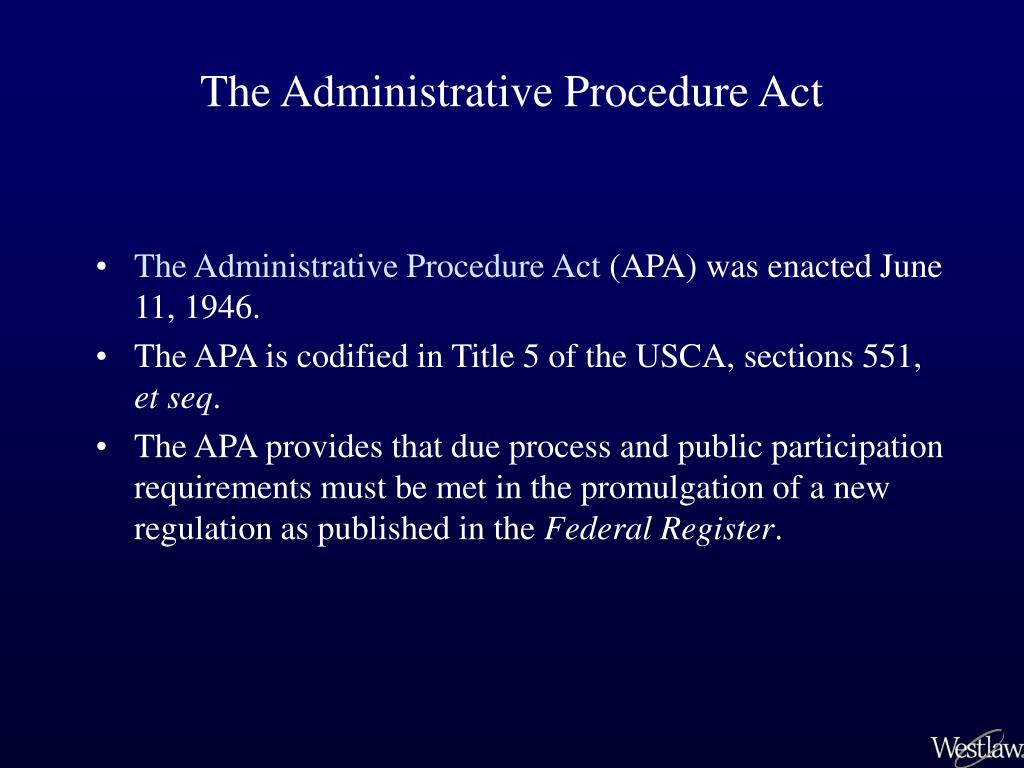
Plaintiffs—potentially ranging from immigrant rights advocacy groups to large-scale employers—are likely to argue that the rule is “arbitrary and capricious.” Legal arguments may focus on several key areas:
- Disruption of Due Process: Advocates will argue that forcing individuals to leave their homes and livelihoods to undergo a process that was previously domestic constitutes an undue burden.
- Economic Disruption: If the “economic benefit” exception is applied inconsistently, businesses may sue on the grounds that the rule unfairly penalizes certain sectors of the economy.
- Procedural Errors: If the DHS is found to have bypassed the required “notice and comment” periods for such a massive regulatory change, the rule could be stayed by a judge before it even fully takes effect.
The outcome of these legal battles will likely depend on whether the courts view the rule as a legitimate exercise of executive authority over border security or an overreach that violates established immigration law and administrative norms.
Understanding the Mechanics: Adjustment of Status vs. Consular Processing
To understand the gravity of this change, it is essential to distinguish between the two primary methods of obtaining a green card. This distinction is the core of the current policy upheaval.
Adjustment of Status (Form I-485)
Currently, many legal residents can file for an adjustment of status while remaining in the U.S. This process is managed by USCIS. It allows the applicant to maintain their current residence, continue working (if they have an appropriate work permit), and avoid the risks associated with international travel during a pending application.
Consular Processing
This is the method the administration is now mandating for the majority of applicants. It involves filing paperwork through a U.S. Consulate or embassy in the applicant’s home country. The applicant must physically travel to the consulate for an interview. If approved, they receive an immigrant visa, which they then use to enter the U.S. As a permanent resident.
The shift from the former to the latter introduces significant variables, including international travel costs, potential delays due to local political instability in the applicant’s home country, and the risk of being denied reentry if the visa is not granted during the interview.
Key Takeaways for Foreign Nationals and Employers
As the implementation of this rule continues to evolve, stakeholders should keep the following points in mind:
- Mandatory Departure: Most green card seekers currently in the U.S. Should prepare for the requirement to undergo processing from abroad.
- Exception Uncertainty: The “economic benefit” exemption is not yet fully defined. There is currently no guarantee that specific visa types (such as H-1B or L-1) will automatically qualify for domestic adjustment.
- Increased Lead Times: Applicants should anticipate significantly longer processing times due to the shift from domestic USCIS handling to international consular processing.
- Legal Consultation: Given the complexity and the high likelihood of legal challenges, immigration attorneys are strongly advising clients to review their specific status and timing before making any travel plans.
Looking Ahead: The Next Checkpoint
The immediate focus now shifts to the Department of Homeland Security, as the agency is expected to release the formal regulatory text and specific guidance regarding the “economic benefit” criteria in the coming weeks. Legal scholars and immigration advocates are also awaiting the first wave of potential injunctions in federal court, which could determine whether the rule is implemented as planned or frozen pending further litigation.
World Today Journal will continue to monitor DHS filings and court proceedings closely. We encourage our readers to share this report and join the discussion in the comments below regarding the potential global implications of these policy changes.
Worth a look