The administration of President Donald Trump has initiated a series of policy shifts aimed at restricting access to social services for undocumented immigrants, specifically targeting health care and housing subsidies. These measures, which align with broader efforts to reshape federal immigration enforcement, represent a significant pivot in how executive agencies manage federal benefits for non-citizens. As the administration continues to articulate its legislative and regulatory priorities, the focus on tightening eligibility requirements has become a central theme of the current policy agenda.
For those navigating the complexities of federal assistance, understanding the scope of these changes is essential. The White House has signaled that these efforts are intended to prioritize the allocation of taxpayer-funded resources, though the implementation of such restrictions involves a complex web of existing statutes, including the Personal Responsibility and Work Opportunity Reconciliation Act of 1996, which governs non-citizen eligibility for federal public benefits. Legal experts and policy analysts continue to monitor how these executive directives interact with established federal law.
Regulatory Shifts in Federal Assistance
The current approach focuses on administrative guidance that could influence how federal agencies, such as the Department of Health and Human Services and the Department of Housing and Urban Development, verify the residency status of applicants. By emphasizing stricter documentation standards, the administration aims to ensure that only those with legal status receive federal support. This administrative strategy—often implemented through internal agency directives—seeks to minimize the utilization of public funds by individuals who do not meet specific residency criteria.
Critics of these measures, including various civil rights organizations, argue that such policies may create barriers to essential services, potentially impacting public health outcomes and housing stability for mixed-status families. Conversely, proponents maintain that these steps are necessary to uphold the integrity of the nation’s immigration system and ensure that federal resources remain available for citizens and legal residents. The ongoing debate reflects deep-seated differences regarding the role of government in providing a safety net for non-citizens.
Impact on Health Care and Housing Access
The potential restriction of health care services for undocumented individuals poses significant questions regarding the future of public health initiatives. Currently, access to non-emergency care is already limited for undocumented immigrants under federal law, but the administration’s new focus seeks to tighten oversight of existing programs. For those seeking information on their eligibility or rights, the HealthCare.gov portal remains the primary resource for understanding federal guidelines, while local health departments often provide guidance on state-specific programs that may operate independently of federal mandates.
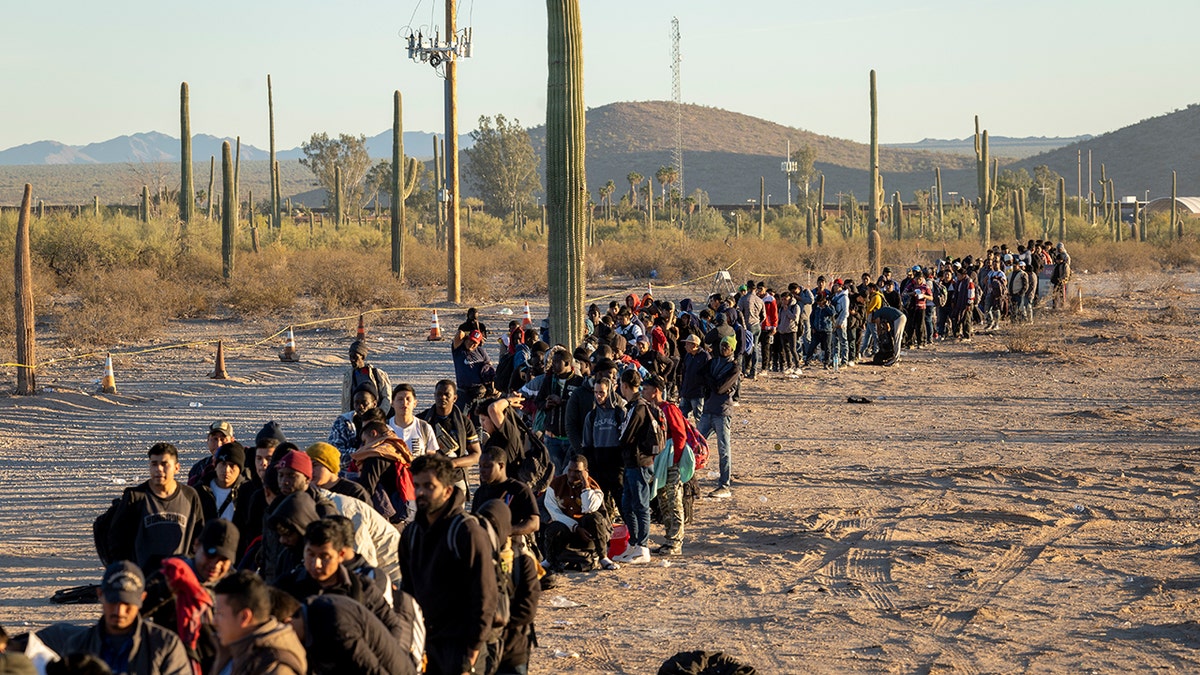
In the housing sector, the administration’s policies are directed at ensuring that federal housing subsidies are not diverted to ineligible households. This involves reinforcing the requirement for landlords and public housing authorities to verify the immigration status of all occupants in subsidized units. The Department of Housing and Urban Development (HUD) provides official guidance and regulatory updates for public housing authorities, which are tasked with enforcing these residency requirements at the local level.
Key Takeaways for Stakeholders
- Regulatory Oversight: The administration is utilizing executive authority to strengthen the enforcement of existing eligibility requirements for federal social programs.
- Verification Processes: Agencies are expected to adopt more rigorous documentation standards to verify the legal status of applicants for housing and health subsidies.
- Legal Framework: Existing federal statutes, including the 1996 welfare reform laws, remain the baseline for determining eligibility for non-citizens.
- Public Resources: Residents are encouraged to consult official government websites for updates on program eligibility and to understand how policy changes may affect their specific circumstances.
Navigating the Evolving Policy Landscape
As these policies move from the planning phase to active enforcement, the legal and social implications will likely be subject to intense scrutiny. Potential litigation from advocacy groups could challenge the implementation of these directives, particularly if they are perceived to conflict with existing statutory protections. For now, the administration appears committed to this course of action, framing it as a necessary step to secure the nation’s social safety net.

For those affected by these shifts, the best course of action is to monitor official agency announcements and, where necessary, seek guidance from legal professionals who specialize in immigration and administrative law. The next major checkpoint for these policies will likely involve the release of formal agency rule-making documents or potential court challenges that could pause or alter the trajectory of these enforcement efforts. We will continue to track these developments as they emerge from the relevant federal offices.
What are your thoughts on the administration’s approach to federal benefit eligibility? We invite our readers to share their perspectives in the comments section below. For more in-depth reporting on national policy, please subscribe to our newsletter for the latest updates.
Keep reading