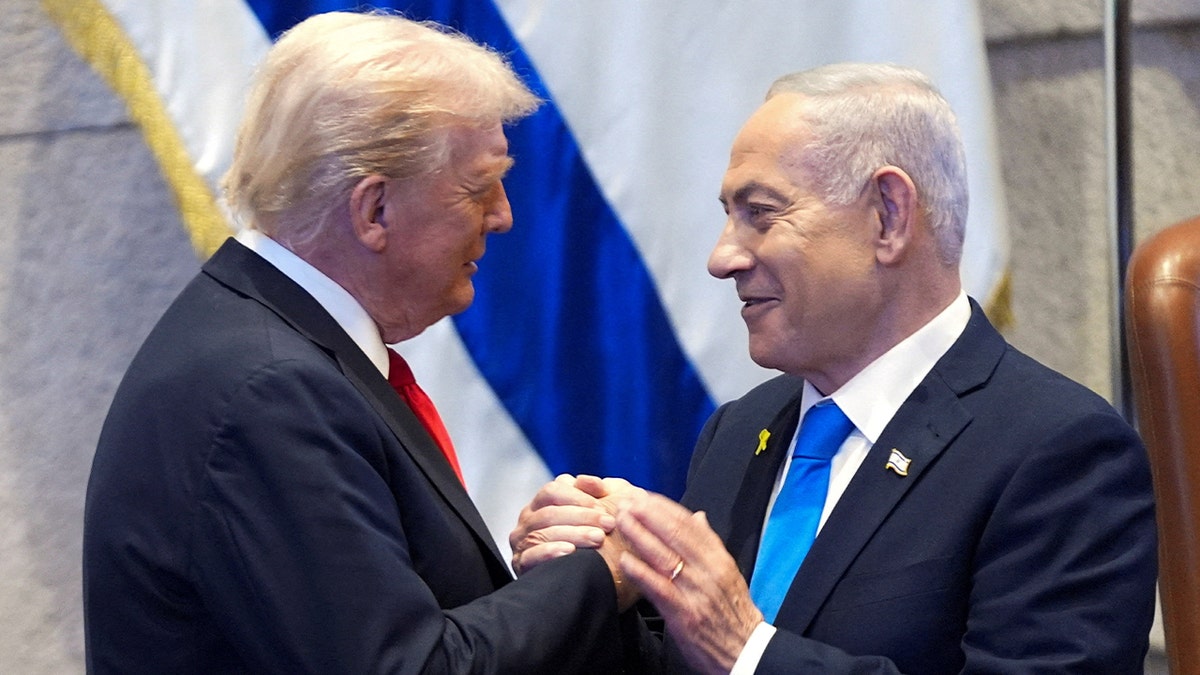
Diplomatic uncertainty continues to surround the potential for a renewed nuclear agreement between the United States and Iran, following recent public comments from President-elect Donald Trump regarding a possible deal. While reports of an impending breakthrough have circulated, officials in Tehran have explicitly denied that any final agreement has been reached, according to reporting from Xinhua News Agency.
The discourse follows a series of phone conversations between Donald Trump and Israeli Prime Minister Benjamin Netanyahu. These discussions, which focused on the parameters of future negotiations regarding Iran’s nuclear program, have prompted significant attention in Washington and Jerusalem. According to Sky News Arabia, Prime Minister Netanyahu has publicly welcomed President-elect Trump’s stated objective of ensuring that Iran does not engage in uranium enrichment activities.
Diplomatic Friction and Conflicting Reports
The prospect of a shift in U.S. policy toward Tehran has generated a complex reaction within Israeli government circles. Reports from CNN Arabic indicate that some officials within the Israeli administration were caught off guard by the nature of the public statements concerning a potential deal. This tension highlights the ongoing difficulty in aligning international diplomatic efforts with the security priorities of regional allies.
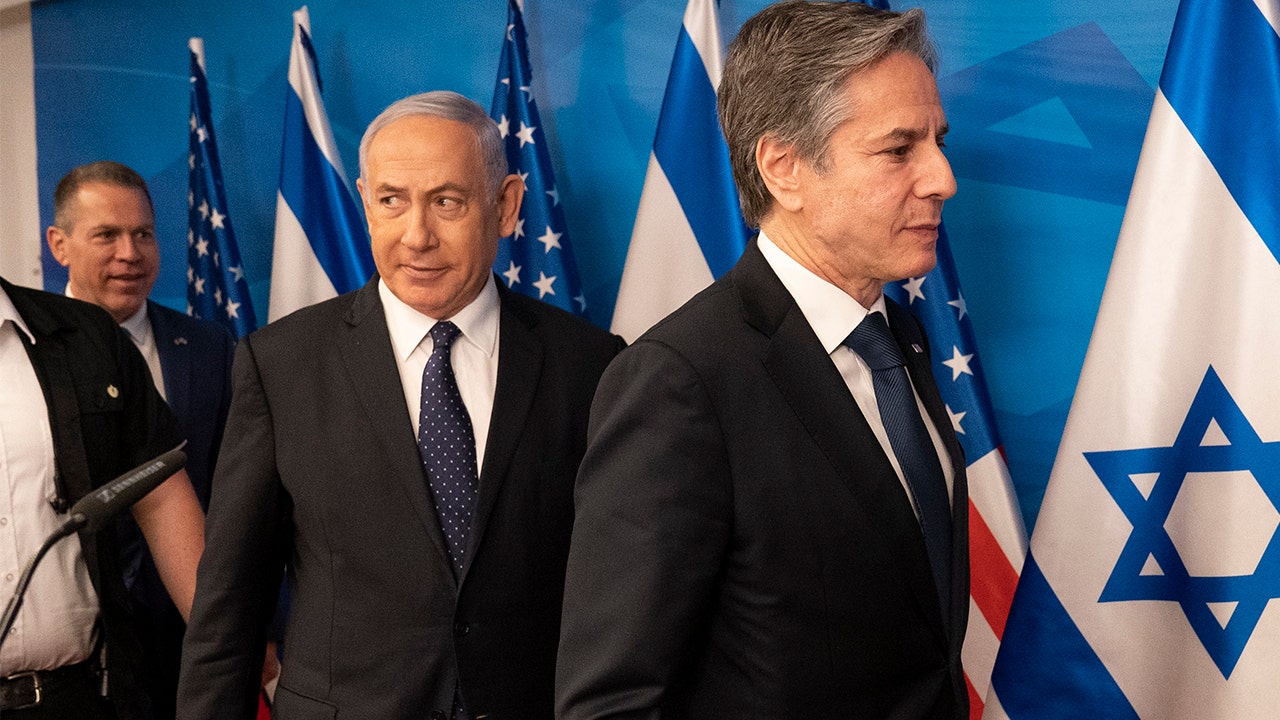
The central point of contention remains the scope of Iran’s nuclear capabilities. Prime Minister Netanyahu has consistently maintained that any viable agreement must include a total cessation of uranium enrichment. While President-elect Trump has emphasized his role in the bilateral relationship, asserting that his political support has been essential to Israel’s security, the specific mechanisms of a potential deal remain unverified and subject to ongoing diplomatic maneuvering.
The Stance of the Iranian Government
Tehran’s official position serves as a critical counterpoint to the speculation surrounding a “finalized” agreement. Representatives of the Iranian government have clarified that while communication channels may exist, no definitive diplomatic breakthrough has occurred. The reliance on indirect messaging remains a hallmark of U.S.-Iran relations, complicating the ability of external observers to track progress in real-time.

The geopolitical stakes are high, as any formal agreement would require navigating the complexities of the 2015 Joint Comprehensive Plan of Action (JCPOA) legacy and the subsequent U.S. withdrawal in 2018. As noted by the International Atomic Energy Agency, Iran’s current enrichment levels and stockpile remain subjects of rigorous monitoring, which serves as a primary benchmark for international diplomatic efforts.
Strategic Implications for Regional Security
The dialogue between the incoming U.S. administration and the Israeli government underscores a divergence in tactical approaches to the “Iranian question.” For the Israeli government, the priority remains a strict containment of Iran’s nuclear program. For the U.S., the challenge involves balancing these security commitments with broader regional stability goals.
The rhetoric used by President-elect Trump—specifically his claims regarding the necessity of his personal support for Israel’s continued existence—reflects a broader effort to frame his upcoming term as a return to a more assertive, “America First” foreign policy. However, as noted by geopolitical analysts, the transition period between administrations often creates a vacuum where unofficial signals are frequently mistaken for finalized policy.
Next Steps in the Diplomatic Process
Observers are now looking toward the official inauguration of the new U.S. administration as the next checkpoint for clarified policy. Until then, the details of any prospective negotiations remain speculative. The lack of an official communique from either Washington or Tehran regarding a signed, concrete agreement suggests that any current reports of a finalized deal are premature.
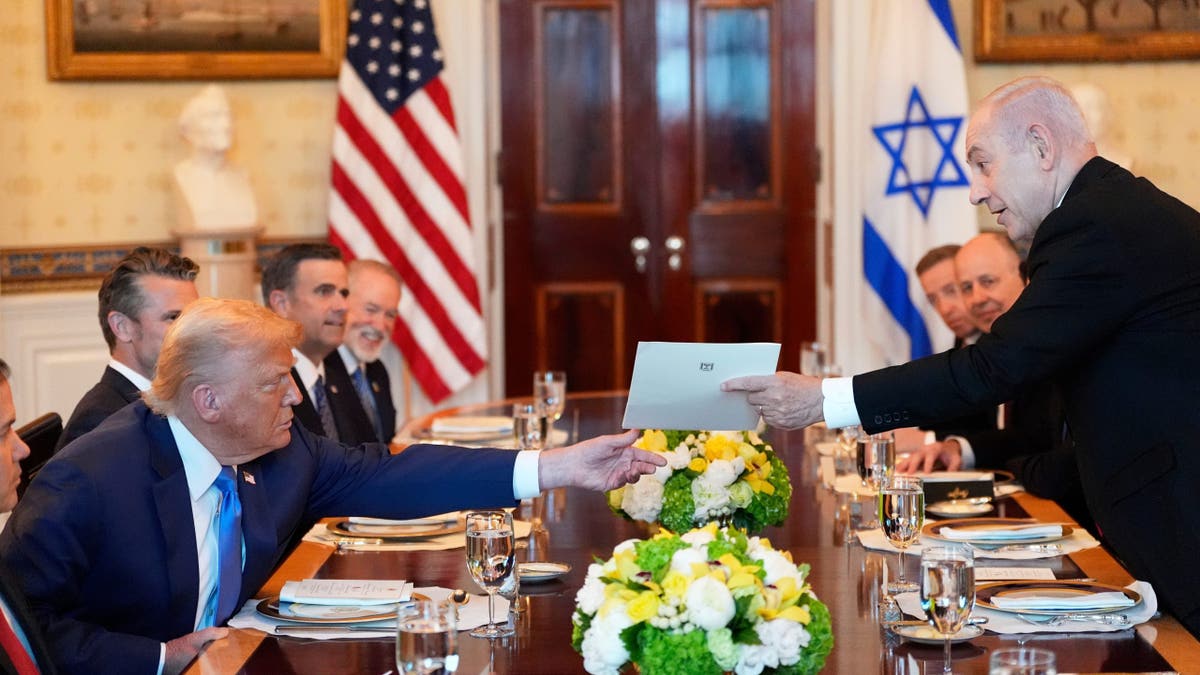
As the situation develops, readers are encouraged to monitor official statements from the U.S. Department of State and the Prime Minister’s Office in Israel for verified updates. We welcome your thoughts on these developments in the comments section below, and we invite you to share this report to keep your network informed on these evolving geopolitical events.
Keep reading