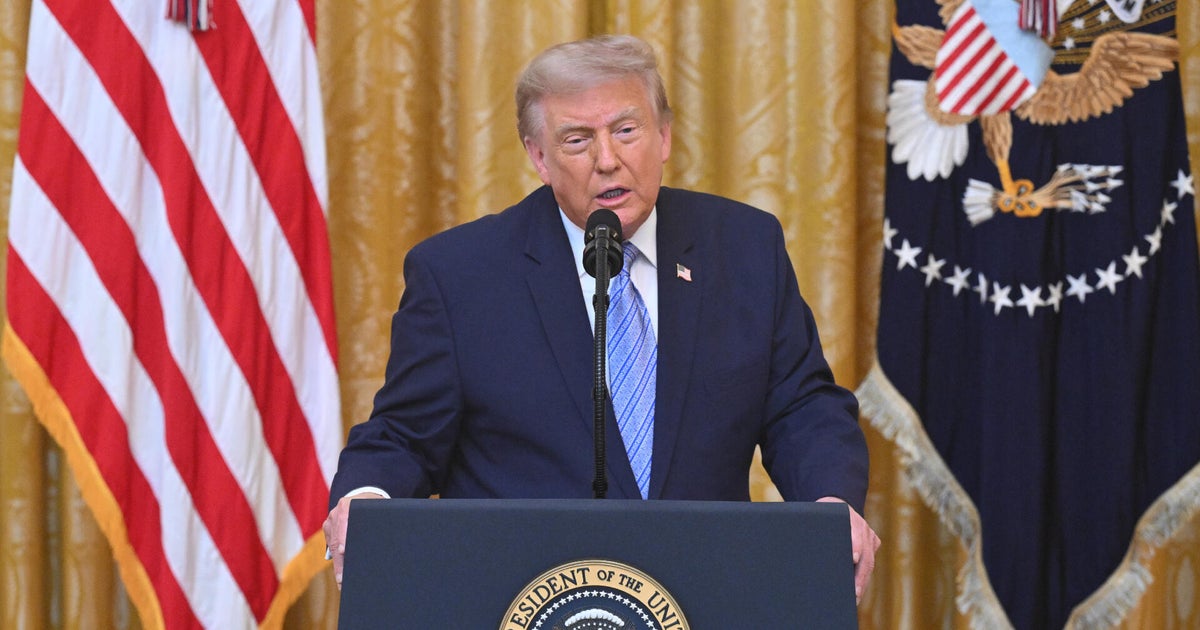
Former President Donald Trump addressed national election security during a primetime broadcast on Thursday, raising concerns regarding the integrity of voter data and alleging potential foreign interference involving China. The remarks, delivered as part of a broader discourse on the U.S. electoral process, emphasized the candidate’s focus on cybersecurity infrastructure and the protection of domestic databases from international actors.
The address touched upon long-standing debates regarding the vulnerability of digital voting systems. While the former president specifically identified China as a point of concern, the claims regarding the direct compromise of voter data remain a central point of contention in American political discourse. According to the Cybersecurity and Infrastructure Security Agency (CISA), which is tasked with protecting critical U.S. infrastructure, there is no evidence that any foreign actor has successfully altered or deleted votes in a national election.
Election Security and Foreign Influence
In his comments, the former president suggested that sensitive information regarding American voters could be accessed or manipulated by foreign adversaries. This rhetoric aligns with his ongoing campaign narrative that emphasizes the necessity of strict oversight for voting technology. The Office of the Director of National Intelligence (ODNI) has previously published assessments detailing attempts by various nations to influence public opinion, though federal officials consistently distinguish between influence campaigns and the actual physical tampering of election results.

The focus on China as a specific threat actor in the context of voter data echoes broader geopolitical tensions. Federal law enforcement agencies, including the Federal Bureau of Investigation (FBI), maintain active counterintelligence investigations into foreign efforts to gain unauthorized access to government and private sector databases. However, specific allegations regarding the breach of state or local voter registration databases by Chinese entities require evidence that has not been publicly validated by federal authorities in the context of the current election cycle.
Oversight and the Role of Federal Agencies
The security of the American electoral process is managed through a decentralized system, where individual states hold primary responsibility for the administration of elections. The U.S. Election Assistance Commission (EAC) provides voluntary guidance and standards for voting equipment, but direct security protocols are often handled at the state and county levels. This structure is frequently cited by election officials as a primary defense against large-scale, centralized cyberattacks.
Observers note that the discussion surrounding “voter data” often conflates two separate issues: the security of voter registration rolls—which are public records in many jurisdictions—and the security of the actual ballot tabulation systems. Because ballot machines are generally not connected to the internet, experts argue they are less susceptible to the type of remote hacking suggested in recent political rhetoric. The CISA “Rumor vs. Reality” portal serves as the official federal resource for addressing such claims, providing fact-checked information regarding the security of registration databases.
Public Discourse and Future Hearings
The former president’s address highlights the widening gap between political messaging and the technical assessments provided by non-partisan security agencies. As the election cycle continues, voters are increasingly looking toward official state websites and the USA.gov voting portal for verified information on how to participate safely and securely.

The next major checkpoint for election security policy will occur during upcoming Congressional oversight hearings, where representatives from the Department of Justice and CISA are expected to provide updates on their ongoing efforts to mitigate foreign threats. These sessions are open to the public and provide a venue for legislators to cross-examine security officials regarding the current state of digital defenses. We encourage readers to monitor these official proceedings and share their thoughts on the balance between national security and democratic access in the comments section below.
Worth a look