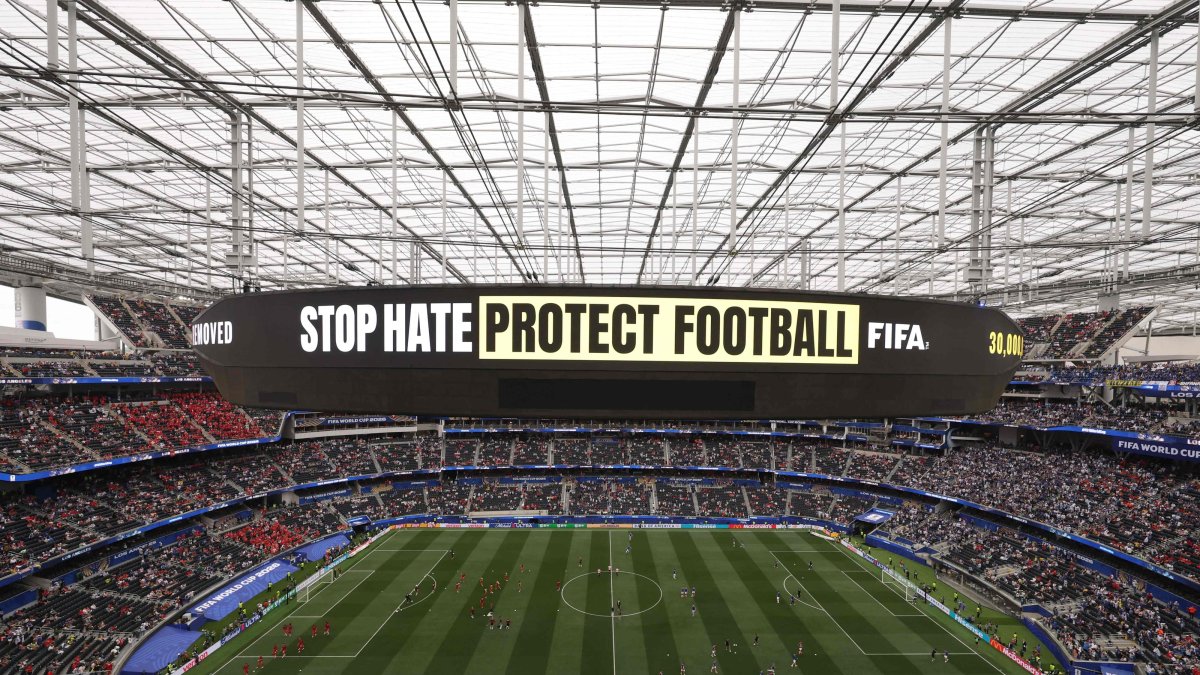
FIFA removed more than seven million potentially abusive posts and comments from social media platforms during the 2026 World Cup, a figure the governing body reports is 14 times higher than the volume of content moderated during the 2022 tournament in Qatar. The surge in removals highlights the growing scale of digital toxicity directed at players, officials, and teams during major international sporting events, according to data released by the federation.
The Scale of Digital Abuse in 2026
The 2026 tournament, co-hosted by the United States, Canada, and Mexico, saw a significant increase in the volume of online engagement compared to previous cycles. FIFA’s Social Media Protection Service (SMPS), which utilizes artificial intelligence to identify and flag discriminatory, threatening, or abusive content, processed millions of interactions throughout the competition. According to official documentation from FIFA, the initiative is designed to shield players and officials from targeted harassment, which has become a persistent issue in professional football.
The seven million figure represents a substantial increase in automated moderation activity. While the 2022 World Cup saw a high volume of reporting, the 2026 statistics reflect both the expanded size of the tournament—which featured 48 teams for the first time—and the rapid evolution of social media usage patterns. FIFA has noted that the SMPS works by flagging content that violates the terms of service of major platforms, subsequently notifying those platforms to facilitate the removal of the material.
How the Social Media Protection Service Operates
The SMPS relies on a combination of machine learning and human review to distinguish between passionate fan discourse and prohibited abuse. The system is programmed to detect language that targets individuals based on race, religion, sexual orientation, or physical ability. By automating the identification process, FIFA aims to reduce the time that abusive content remains visible to the public and the subjects of the harassment.
This technical infrastructure was developed in partnership with the FIFPRO players’ union, which advocates for the mental health and safety of athletes. According to information provided by FIFPRO, the service provides an automated layer of protection, allowing players to opt-in to have their social media mentions filtered. This ensures that while players can maintain contact with fans, they are shielded from the most egregious forms of online vitriol.
Challenges in Global Content Moderation
The spike in removals raises questions regarding the effectiveness of current platform-level moderation tools. Despite the implementation of AI-driven safeguards, the sheer volume of content—reaching seven million flagged items—suggests that the digital environment remains volatile. FIFA has emphasized that the goal of the SMPS is not to suppress fan opinion, but to enforce standards of conduct that protect the integrity of the game and the wellbeing of its participants.
The federation has not yet released a detailed breakdown of the specific types of abuse identified, such as the percentage of content involving hate speech versus direct threats. However, the reporting from international news agencies indicates that the data will be used to refine moderation algorithms for future tournaments, including the 2027 Women’s World Cup and subsequent major events.
Future Implications for Tournament Security
The reliance on AI to manage digital safety is expected to grow as social media platforms evolve. The 2026 data serves as a baseline for governing bodies looking to balance the benefits of global fan connectivity with the risks of widespread online abuse. FIFA continues to coordinate with social media companies to ensure that the SMPS remains aligned with the latest updates to platform moderation policies.
The next major phase for this initiative involves a review of the 2026 operational data, which FIFA officials are expected to discuss at the next executive committee meeting. This review will likely focus on how to further improve the accuracy of flagging systems to minimize false positives while capturing the full breadth of prohibited content. Readers interested in the ongoing efforts to safeguard participants can monitor updates through the official FIFA news portal, where the organization periodically publishes reports on its social responsibility and protection programs.
Have you observed changes in how sports organizations handle online interactions? Share your thoughts on the balance between digital safety and open dialogue in the comments below.
Related reading